
Loading, please wait...
LOT 2038
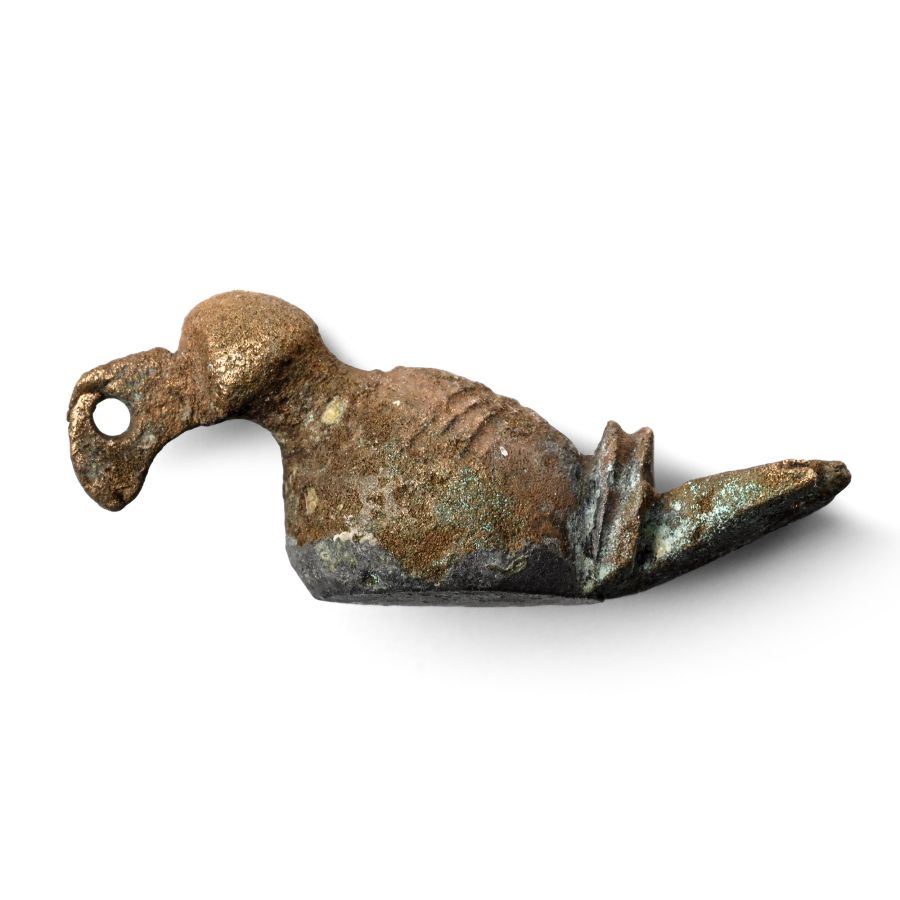
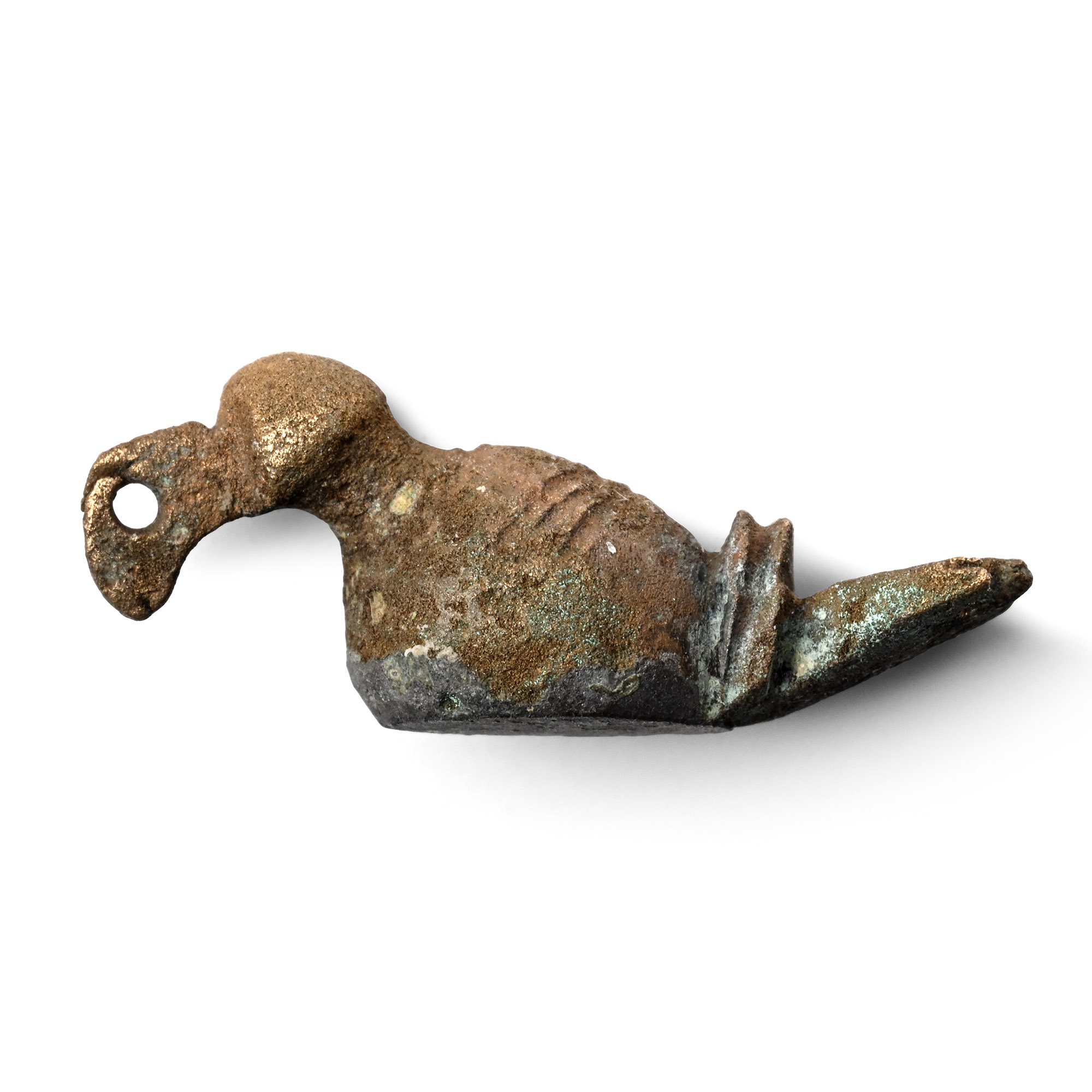
Celtic Bronze Duck Mount
IRON AGE, 2ND CENTURY B.C.-1ST CENTURY A.D.
7/8 in. (4.11 grams, 23 mm).
With a bulbous body and splayed tail, spherical head and curving beak with a piercing. [No Reserve]
ProvenanceFrom the private collection of a European gentleman (1942-2024), formed since the 1970s.
CONDITIONTimeLine Auctions follows a vetting process to ensure the authenticity and legality of all items, reinforcing our commitment to integrity and responsible trading. Each antiquity, antique, and coin lot undergoes thorough examination by a vetting committee of at least ten external specialists, professional trade association members, scientists, and archaeologists: Our Vetting Process
AUCTIONS:
TimeLine is a leading auction house specialising in antiquities, ancient art, collectables, natural history, coins, medals, and books. Our auctions offer museums, collectors, historians, and enthusiasts the opportunity to acquire unique and historically significant pieces.
-
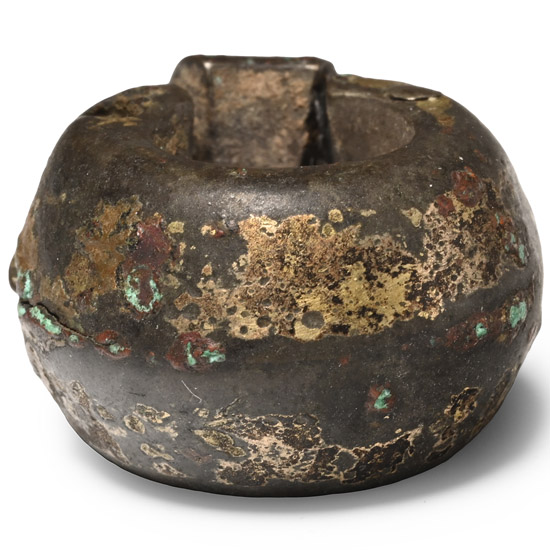
Celtic Gilt Bronze Hinged Hair Ring
Iron Age, 4th-2nd century B.C.Sold for (Inc. bp): £26
Biconvex in profile with hinged section and holes for securing pin. 12.93 grams, 20.44 mm
From the private collection of a European gentleman (1942-2024), formed since the 1970s. -
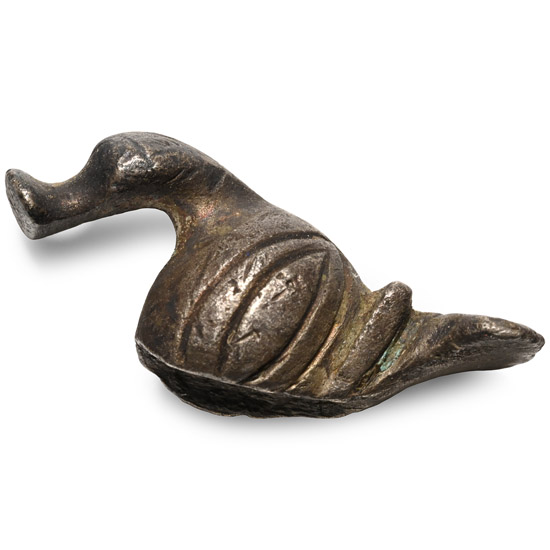
Celtic Silver Duck Mount
Iron Age, 2nd century B.C.-1st century A.D.Sold for (Inc. bp): £85
With a saddle-shaped body, incised bands and pellets, a bulbous head with a scooped beak, concave to the underside. 4.6 grams, 24.3 mm
From the private collection of a European gentleman (1942-2024), formed since the 1970s. -
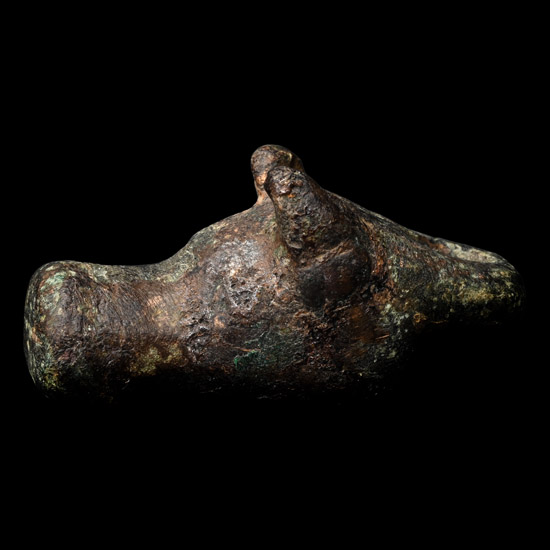
Celtic Bronze Bull's Head Pendant
Iron Age, 1st century B.C.-1st century A.D.Sold for (Inc. bp): £33
With shallow recess to underside, loop to rear. 20.8 grams, 31.95 mm
From the private collection of a European gentleman (1942-2024), formed since the 1970s.
