
Loading, please wait...
LOT 1778
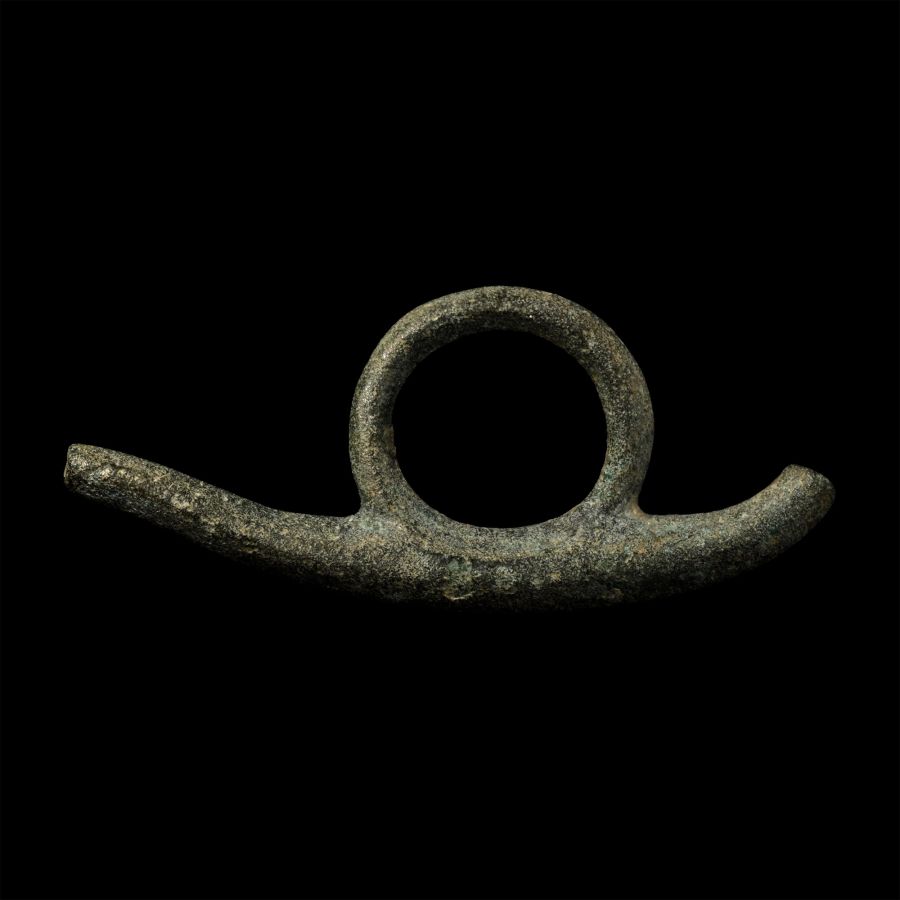
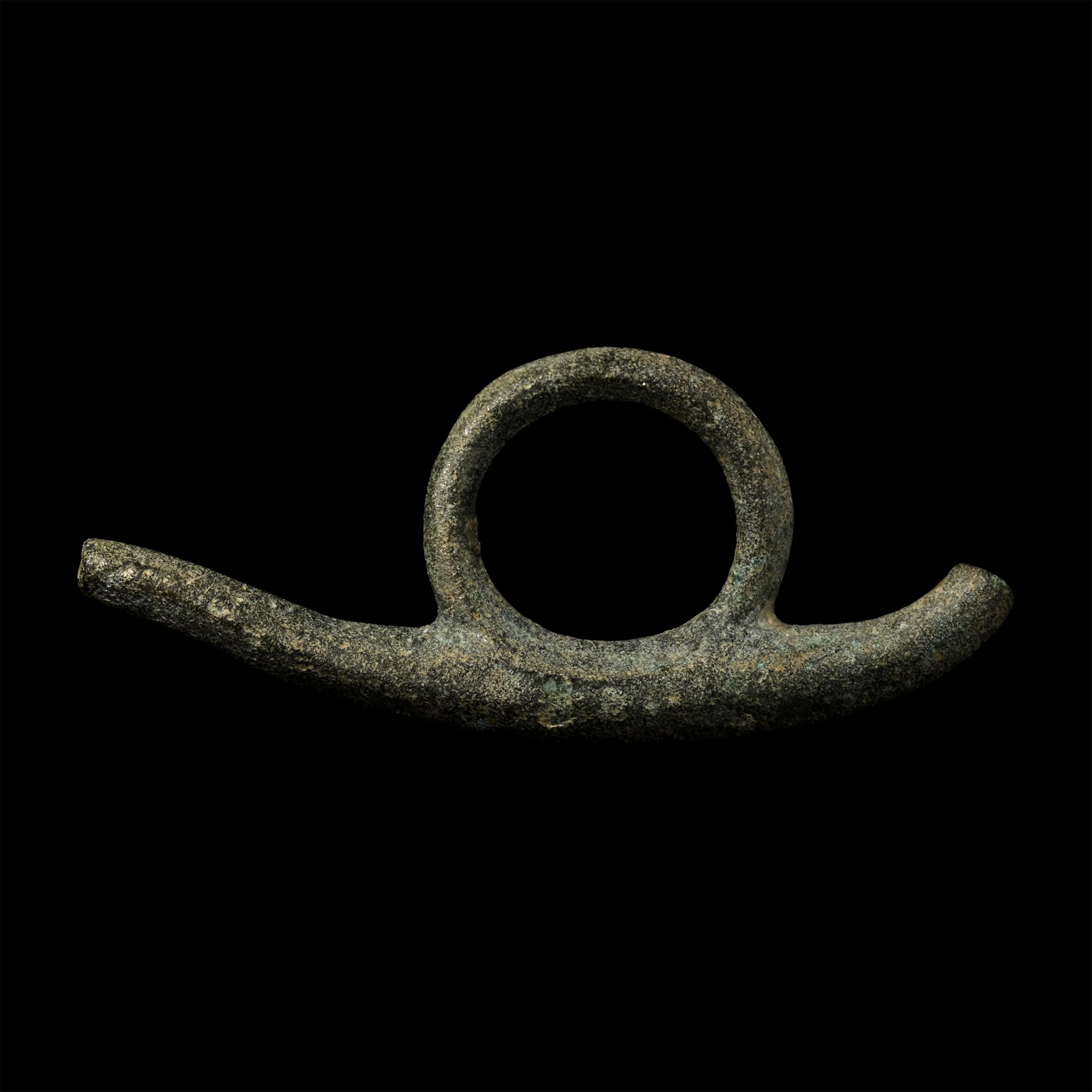
Celtic Bronze Cosmetic Grinder
IRON AGE, 1ST CENTURY B.C.-1ST CENTURY A.D.
1 1/2 in. (4.06 grams, 37 mm).
Comprising a slender round-section grinder with a loop handle. [No Reserve]
ProvenanceFrom the private collection of the late collection of Mr M., Waterlooville, Hampshire, UK, formed from the late 1980s to early 1990s.
CONDITIONTimeLine Auctions follows a vetting process to ensure the authenticity and legality of all items, reinforcing our commitment to integrity and responsible trading. Each antiquity, antique, and coin lot undergoes thorough examination by a vetting committee of at least ten external specialists, professional trade association members, scientists, and archaeologists: Our Vetting Process
AUCTIONS:
TimeLine is a leading auction house specialising in antiquities, ancient art, collectables, natural history, coins, medals, and books. Our auctions offer museums, collectors, historians, and enthusiasts the opportunity to acquire unique and historically significant pieces.
-
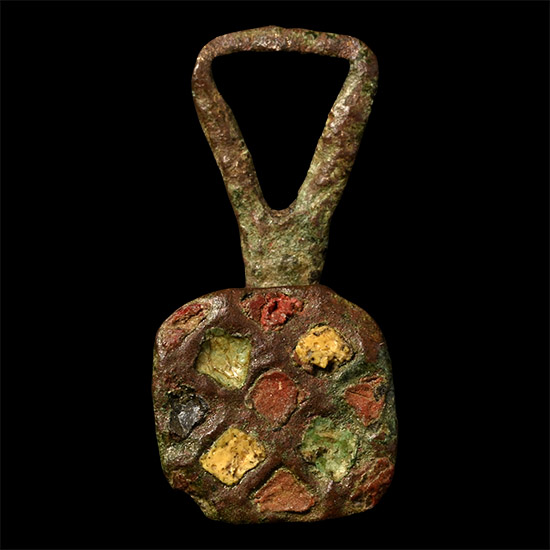
Celtic Enamelled Bronze Clothes Fastener
Iron Age, 1st century B.C.-1st century A.D.Sold for (Inc. bp): £85
Composed of a square panel with a face divided into cells with red, yellow and green enamel fill; a trapezoidal loop and attachment arm. 6.3 grams, 35 mm
From the private collection of the late collection of Mr M., Waterlooville, Hampshire, UK, formed from the late 1980s to early 1990s. -
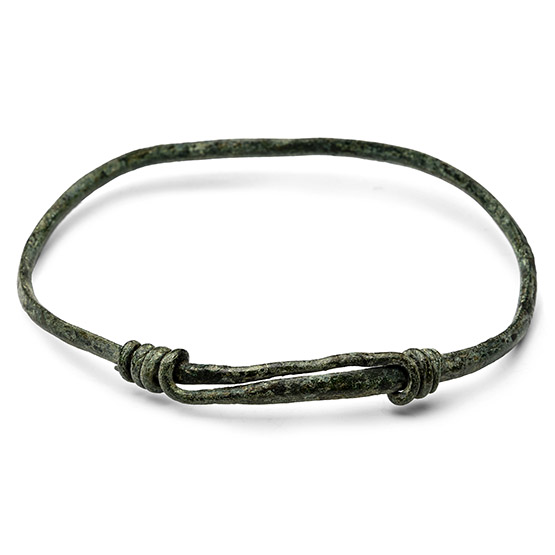
Celtic Bronze Armlet with Coiled Bezel
Iron Age, circa 2nd century B.C.-1st century A.D.Sold for (Inc. bp): £98
Formed from a single lentoid-section rod with the ends wound around the shank in a sliding knot. 22.2 grams, 88 mm
From the collection of a late Gloucestershire, UK, collector. -
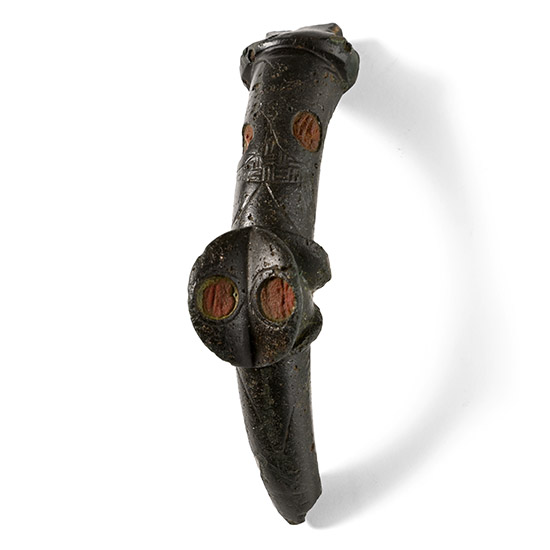
British Celtic Enamelled Bronze Terret Ring Section
Iron Age, 1st century B.C.-1st century A.D.Sold for (Inc. bp): £520
Curved in profile and tapering, round in section with complex intersecting curved flanges; panels of hatched and pointillé detailing, recessed roundels with red enamel fill. 54.9 grams, 68 mm
Found UK. From the collection of a Bedfordshire, UK, lady.
