
Loading, please wait...
LOT 2824
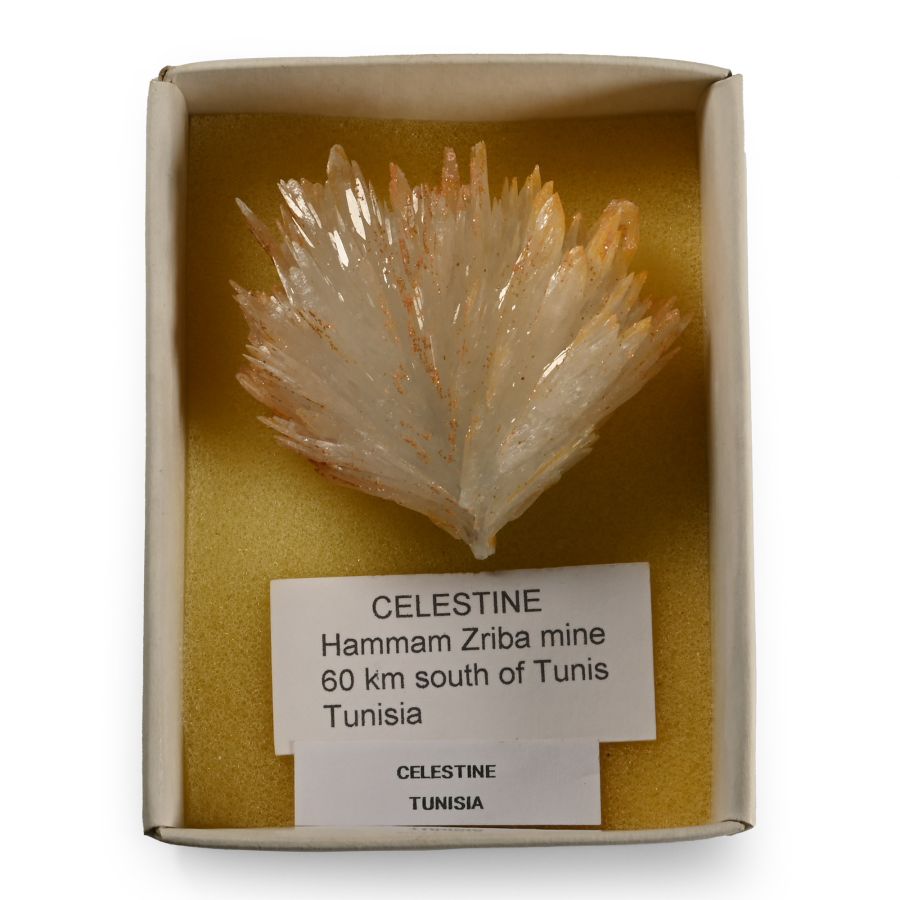
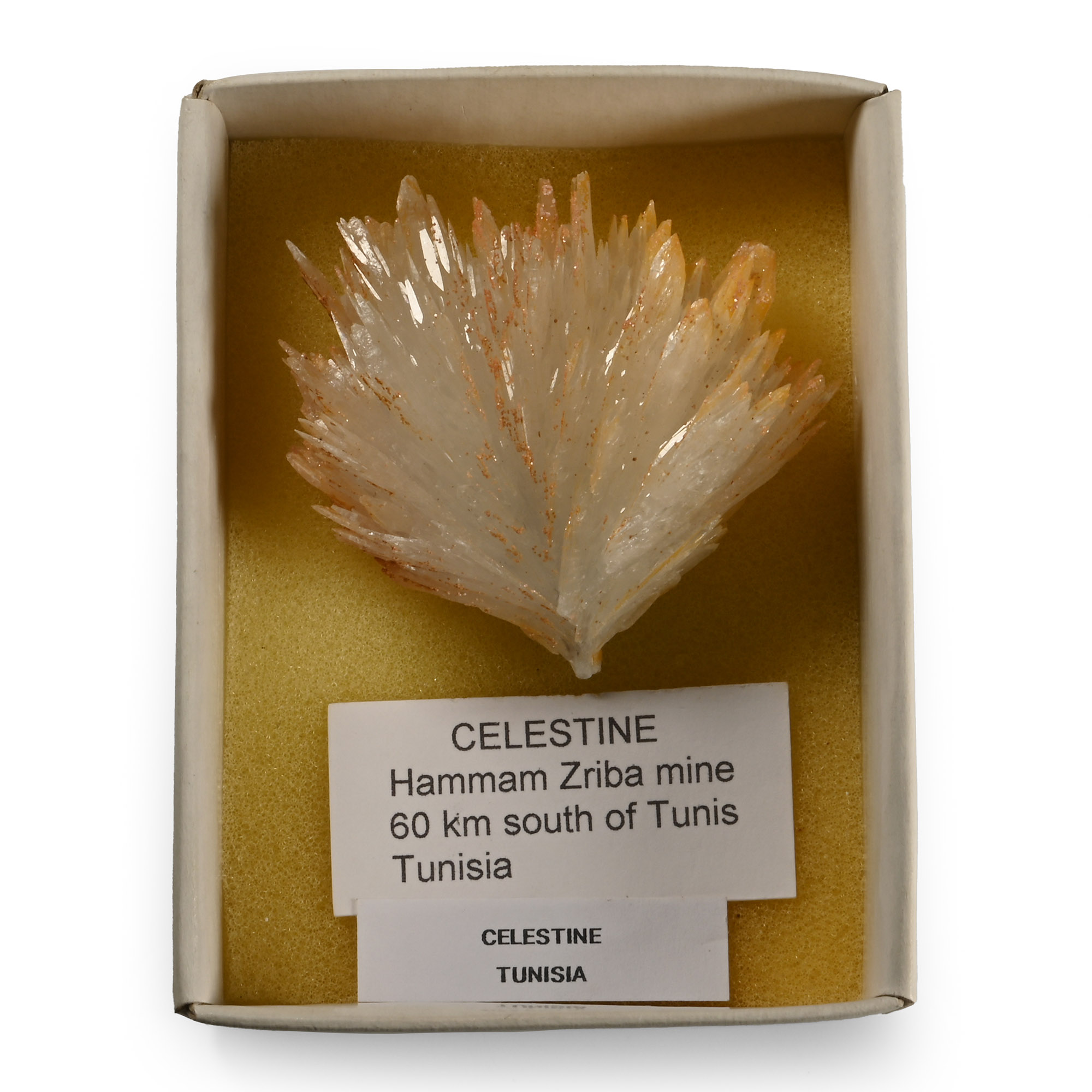
Celestine Sulphate Mineral Display Specimen
2 3/8 in. (123 grams, 62 mm).
A radiating cluster of white tabular crystals (SrSO4) with dusting of orange mineral present at the tips. [No Reserve]
ProvenanceFrom Hammam-Zriba Mine, Tunisia.
Acquired at the Bakewell Show, UK, 7 October 2000.
From the private collection of Kenneth Machin (1936-2020), Buckinghamshire, UK; his collection of antiquities and natural history was formed since 1948; thence by descent.
TimeLine Auctions follows a vetting process to ensure the authenticity and legality of all items, reinforcing our commitment to integrity and responsible trading. Each antiquity, antique, and coin lot undergoes thorough examination by a vetting committee of at least ten external specialists, professional trade association members, scientists, and archaeologists: Our Vetting Process
AUCTIONS:
TimeLine is a leading auction house specialising in antiquities, ancient art, collectables, natural history, coins, medals, and books. Our auctions offer museums, collectors, historians, and enthusiasts the opportunity to acquire unique and historically significant pieces.
-
Polished Fossil Goniatite Plate
Devonian Period, circa 417-354 million years B.P.Sold for (Inc. bp): £13
A large Goniatite specimen set on a textured matrix. 556 grams, 15.8 cm
From Atlas Mountains, Morocco, North Africa. From a Cambridgeshire, UK, collection. -
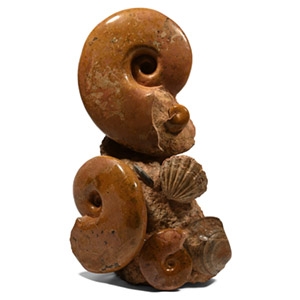
Orange Fossil Ammonite Display
Middle Jurassic Period, Aalenian stage, 174.1-170.3 million years B.P.Sold for (Inc. bp): £1,170
A large freestanding display containing polished specimens: a belemnite, scallops and Lytoceras dilucidum, Leioceras and other ammonites in various sizes, the largest 32 cm in diameter. 41.9 kg, 60 cm
with Science & Natural History, South Kensington, 27 April 2017, no.13. -
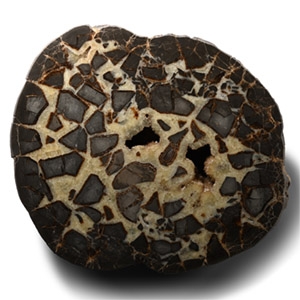
Massive Cut and Polished Septarian 'Egg' Half
Sold for (Inc. bp): £117
The attractive internal structure filled with yellow and brown aragonite crystals. 3.53 kg, 22.5 cm
Ex Mineral Imports, London, UK. Gregory, Bottley & Lloyd (Gregory's), Harwich, UK.
