
Loading, please wait...
LOT 2025
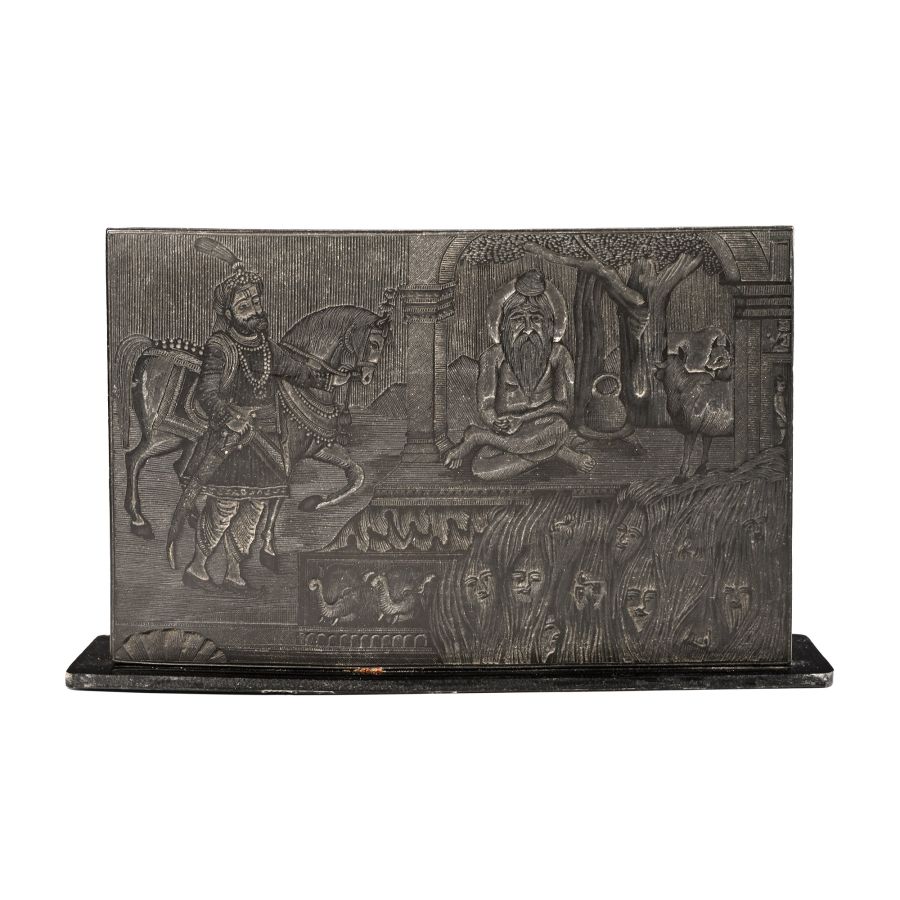
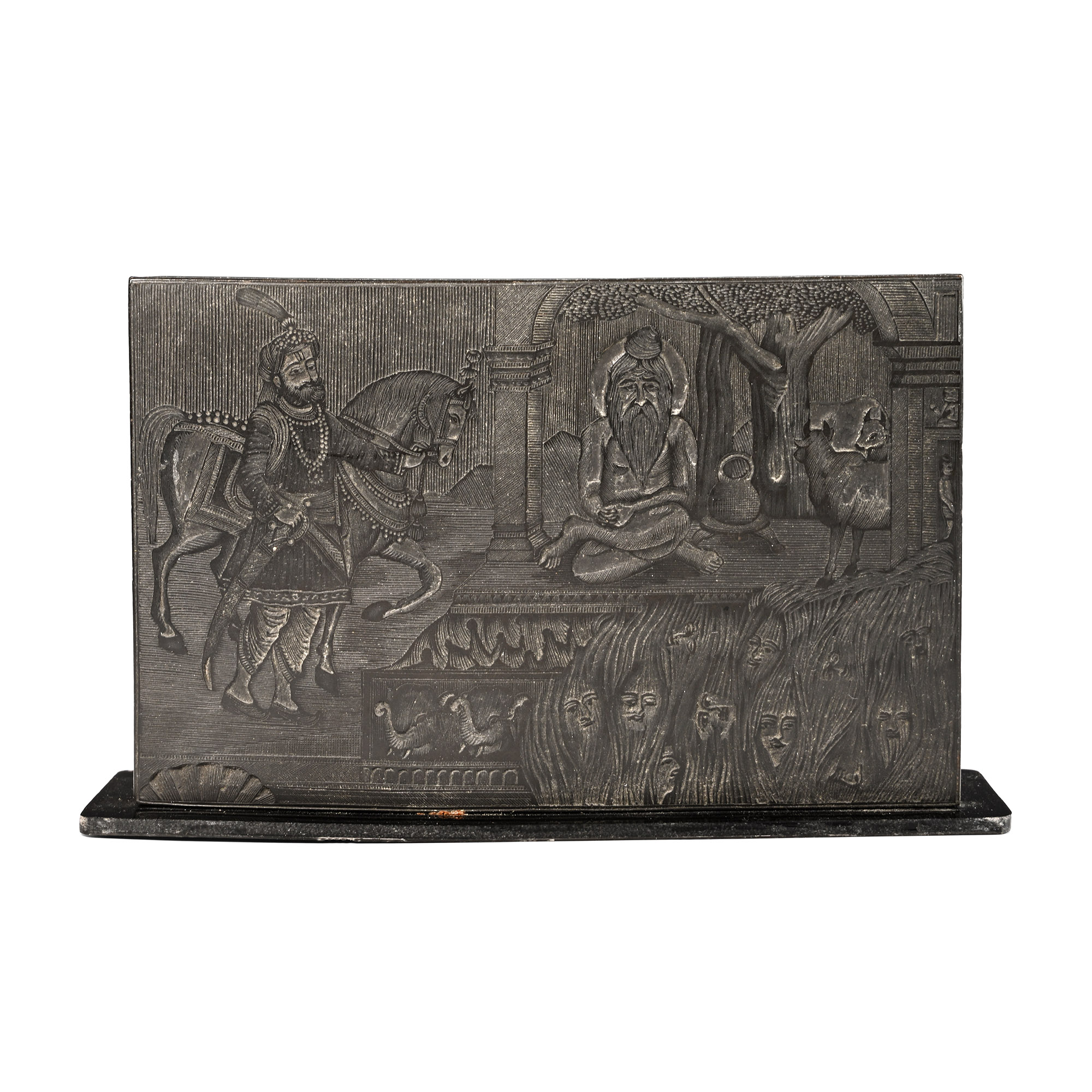
Carved Printing Block with Mughal Scene
LATE 19TH-EARLY 20TH CENTURY A.D.
6 in. (258 grams total, 15.1 cm wide including stand).
Showing a royal figure on the left, holding the reins of his caparisoned horse, at the centre a yogi beneath an arch with a tree behind and two bovines gazing at him, tufts of long grass in the foreground with multiple faces emerging between the blades; set on a display stand. [No Reserve]
ProvenanceFrom the collection of David Donlan (1947–2025), a dedicated and lifelong collector with a passion for the ancient world and the natural sciences, forming his collection from the 1960s onwards, using many reputable dealers across the United Kingdom, including the well-regarded Coincraft and The Parthenon Gallery.
CONDITIONTimeLine Auctions follows a vetting process to ensure the authenticity and legality of all items, reinforcing our commitment to integrity and responsible trading. Each antiquity, antique, and coin lot undergoes thorough examination by a vetting committee of at least ten external specialists, professional trade association members, scientists, and archaeologists: Our Vetting Process
AUCTIONS:
TimeLine is a leading auction house specialising in antiquities, ancient art, collectables, natural history, coins, medals, and books. Our auctions offer museums, collectors, historians, and enthusiasts the opportunity to acquire unique and historically significant pieces.
-
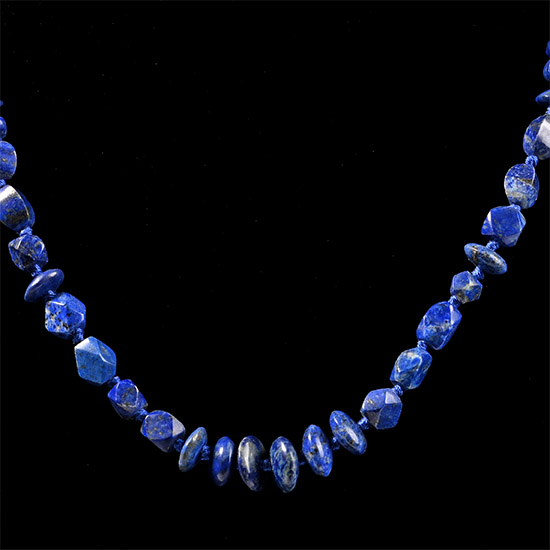
Bactrian Style Lapis Lazuli Bead Necklace
20th century A.D.Sold for (Inc. bp): £59
Composed of polygonal, discoid, irregular and other beads, restrung with a hook-and-loop clasp. 55.1 grams, 55 cm
Acquired in the 1990s-early 2000s. Ex London, UK, collection. -
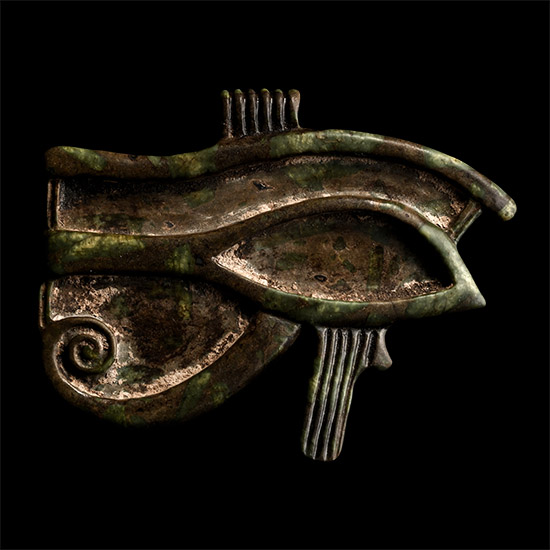
Egyptian Style Green Porphyritic Stone Eye of Horus Pendant
20th century A.D.Estimate: £500 - 700 (+bp*)
Opening Bid: £250
Carved from mottled stone wedjat with raised eyebrow, sclera, teardrop and markings, ribbed suspension loop above. 15 grams, 48 mm
Old French collection. UK private collection, acquired from the above in the 2000s. -
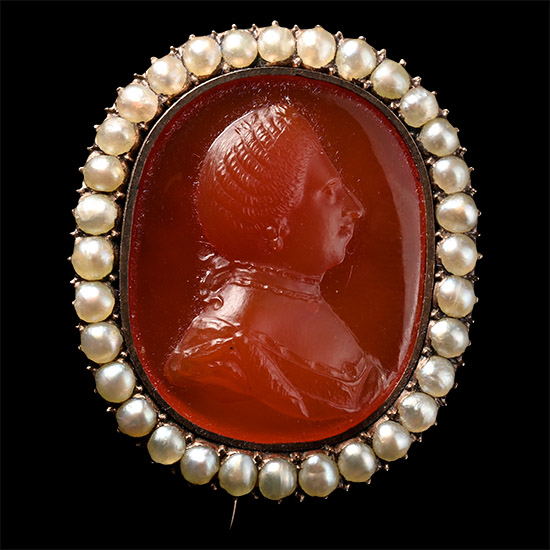
German Carnelian Cameo of Maria Theresa Mounted in a Brooch
18th century A.D.Estimate: £1,000 - 1,400 (+bp*)
Opening Bid: £500
Skilfully carved cameo depicting the jewelled profile bust of Maria Theresa facing right, the background is highly polished, whilst the relief is rendered with contrasting polished and matt elements; the high-carat gold brooch setting likely original to the jewel and set with a border of blister pearls. 9.69 grams, 37 mm
Acquired on the European art market.
Maria Theresa Walburga Amalia Christina (c.1717-80) was ruler of the Habsburg dominions from 1740 until she died in 1780, and the only woman to hold the position suo jure. She was the sovereign of Austria, Hungary, Croatia, Bohemia, Transylvania, Mantua, Milan, Lodomeria and Galicia, the Austrian Netherlands, and Parma.
