
Loading, please wait...
LOT 3266
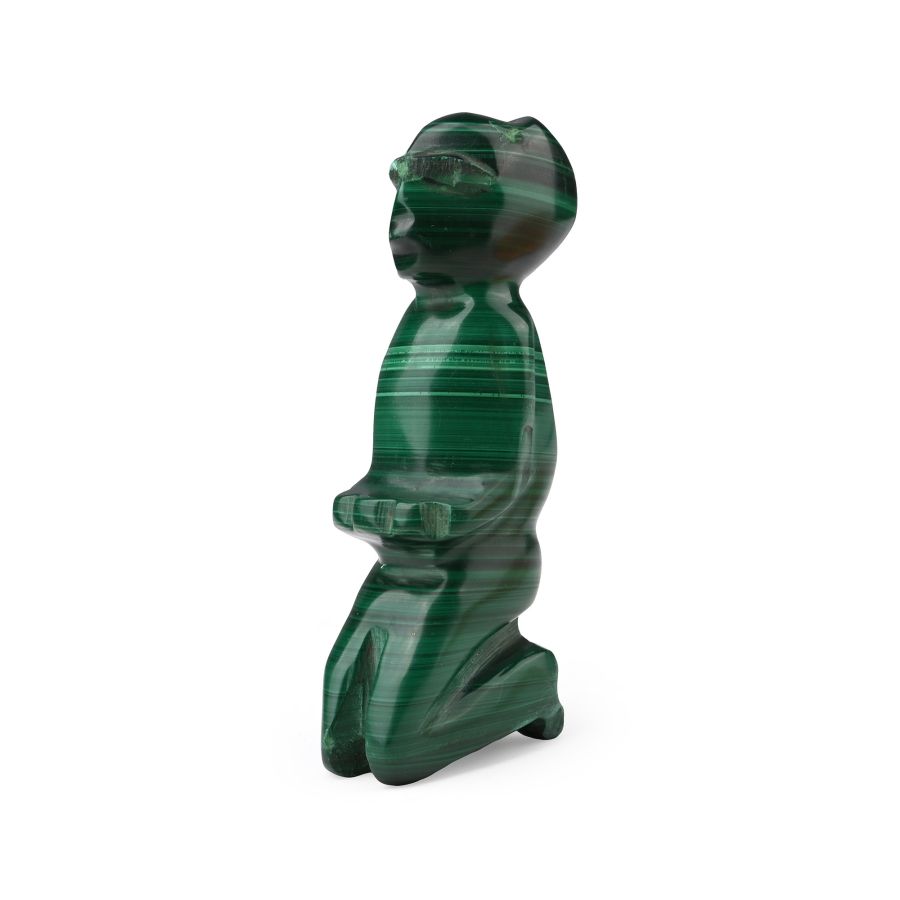
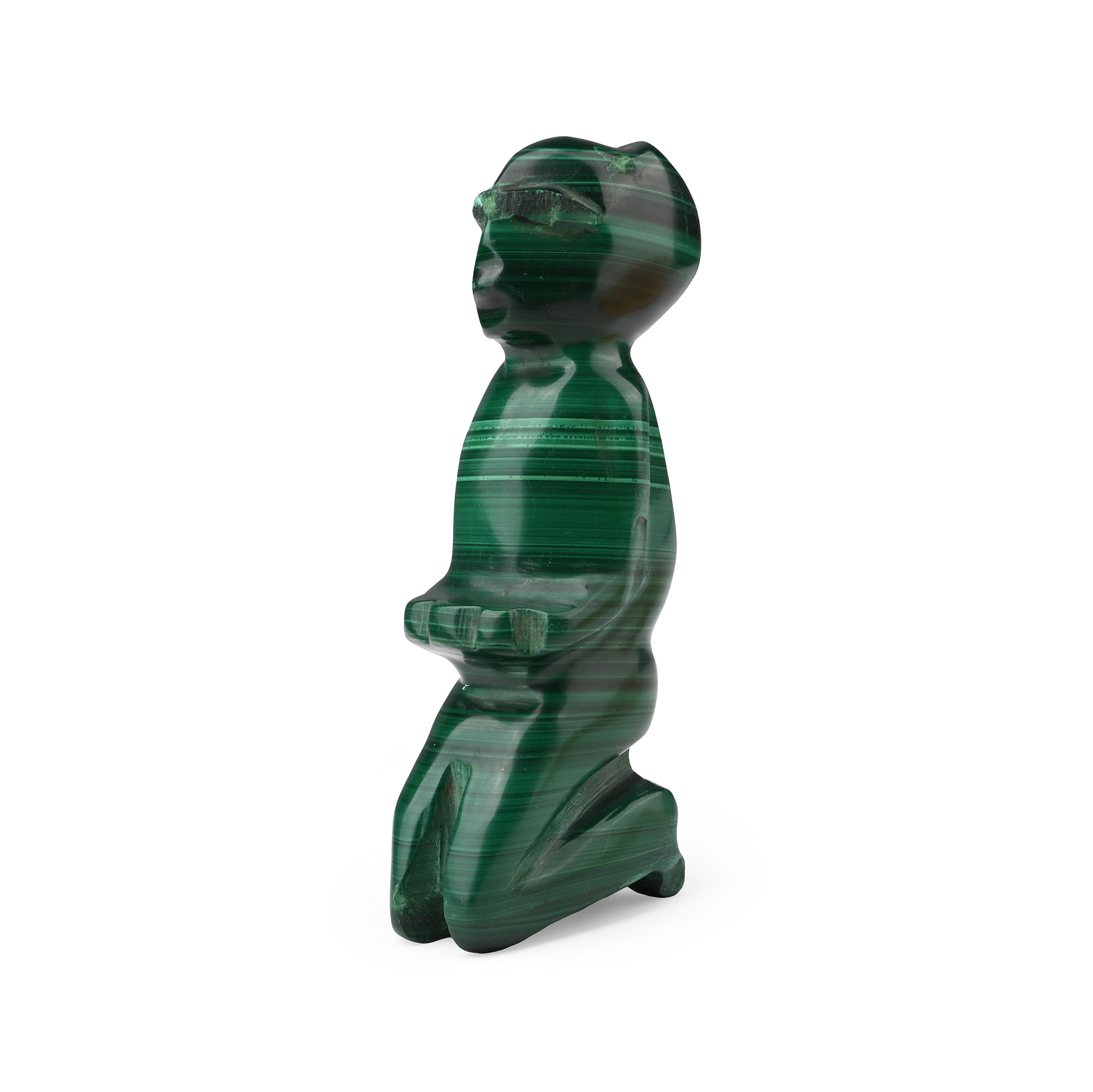
Carved and Polished Malachite Kneeling Figure
4 in. (181 grams, 99 mm).
Carved in the round as a stylised figure with an elongated skull, horizontal contrasting banding. [No Reserve]
ProvenanceFrom the private collection of a Canadian gentleman living in Essex, UK, formed since the 1920s-circa 1990.
Property of an Essex lady until the late 1990s; thence by descent.
From the private collection of an Essex gentleman since the late 1990s.
TimeLine Auctions follows a vetting process to ensure the authenticity and legality of all items, reinforcing our commitment to integrity and responsible trading. Each antiquity, antique, and coin lot undergoes thorough examination by a vetting committee of at least ten external specialists, professional trade association members, scientists, and archaeologists: Our Vetting Process
AUCTIONS:
TimeLine is a leading auction house specialising in antiquities, ancient art, collectables, natural history, coins, medals, and books. Our auctions offer museums, collectors, historians, and enthusiasts the opportunity to acquire unique and historically significant pieces.
LOT 3266
Carved and Polished Malachite Kneeling Figure
Estimate £40 - 60€46 - 70 (for guidance only)$54 - 81 (for guidance only)
Opening Bid
£5 (EUR 6; USD 7) +BP*
-
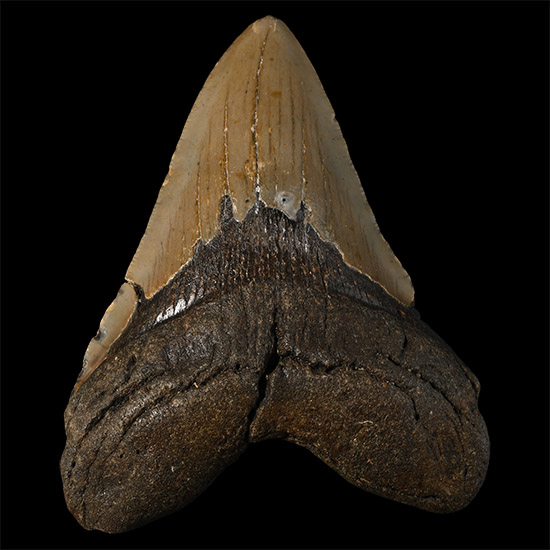
Large Megalodon Extinct Giant Shark Fossil Tooth
Pliocene Epoch, circa 5.6 million years B.P.Estimate: £100 - 140 (+bp*)
Opening Bid: £5
Carcharocles megalodon shark tooth, with serrations and polished light brown tooth enamel. 284 grams, 12.7 cm
From a Lincolnshire, UK, collection.
Carcharodon megalodon is regarded as one of the largest and most powerful marine predators in vertebrate history and likely had a profound impact on the structuring of marine communities. Fossil remains indicate that this giant shark reached a length of more than 16 metres (52 ft) and also affirm that it had a cosmopolitan distribution. Scientists suggest that in life it looked like a stockier version of the great white shark, Carcharodon carcharias. -
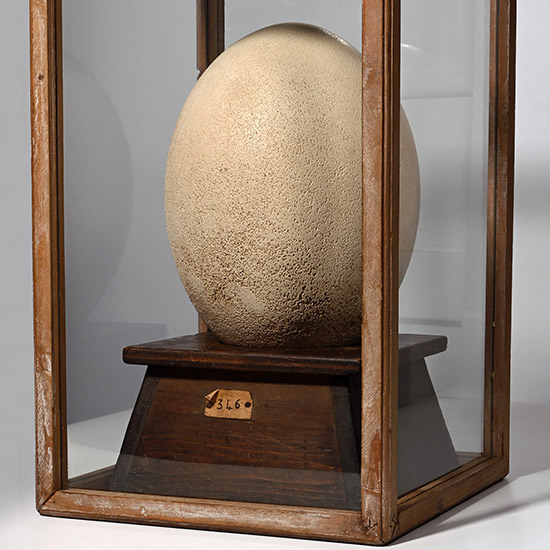
Intact Egg of the Aepyornis Maximus 'Elephant Bird'
Estimate: £40,000 - 60,000 (+bp*)
Opening Bid: £22,222
A remarkable specimen of a fine, large, sub-fossilised egg of the Aepyornis maximus, popularly known as the 'giant elephant bird', featuring a beautifully mineralised surface, with an area where the hatchling exited, expertly reattached, leaving little visible trace. 6.3 kg total, 49.5 cm high including stand, egg: 30 cm
Private collection of Professor Raniero Gnoli, located in Castel Giuliano, Bracciano, in the Province of Rome. According to Professor Gnoli, the egg was acquired by a relative in a Parisian gallery approximately a century ago.
The Aepyornis maximus was one of the largest birds to ever exist, a flightless giant reaching nearly 10 feet in height and native to the island of Madagascar. Extinct by the 17th century, this extraordinary bird has captivated human imagination for centuries and inspired numerous myths and literary works. The eggs surpass the size of any known dinosaur egg and could accommodate the volume of seven ostrich eggs, approximately 160 chicken eggs, or an astonishing 12,000 hummingbird eggs. These eggs, once common on the island, are now among the few physical remnants of this magnificent species. While the precise cause of the elephant bird’s extinction is unknown, evidence strongly points to human activity, including hunting and habitat destruction. As the bird vanished from Madagascar’s landscapes, its myth grew, merging with folklore to leave an enduring legacy that connects history with imagination. This intact egg stands as a rare and tangible link to a bygone era, offering a profound sense of wonder for a species that once roamed the earth as the largest bird in recorded history. -
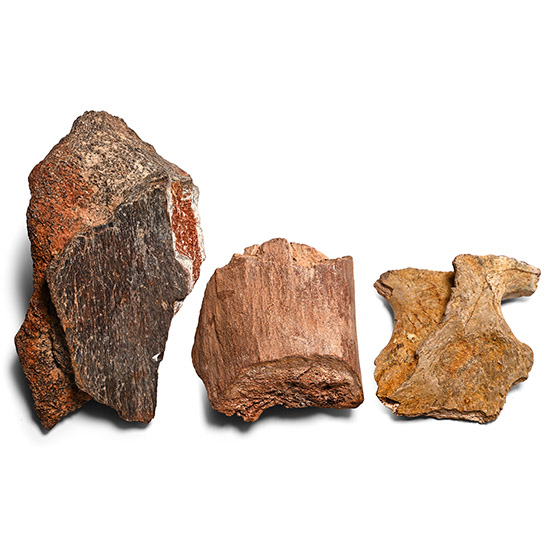
Spinosaurus Dinosaur Fossil Bone Fragment Group
Cretaceous Period, circa 125-113 million years B.P.Estimate: £20 - 30 (+bp*)
Opening Bid: £5
Comprising three differently sized bone fragments from different bone structures. 505 grams total, 5.7-11 cm
From a UK collection formed in the 1980s. Property of an Essex, UK, gentleman.
The Spinosaurus was both a beachcomber-type scavenger and an active hunter, taking small stranded Plesiosaurs, Pterosaurs, turtles and large fish; adults weighed up to 21 tonnes and grew up to 18 meters long.
