
Loading, please wait...

LOT 2771
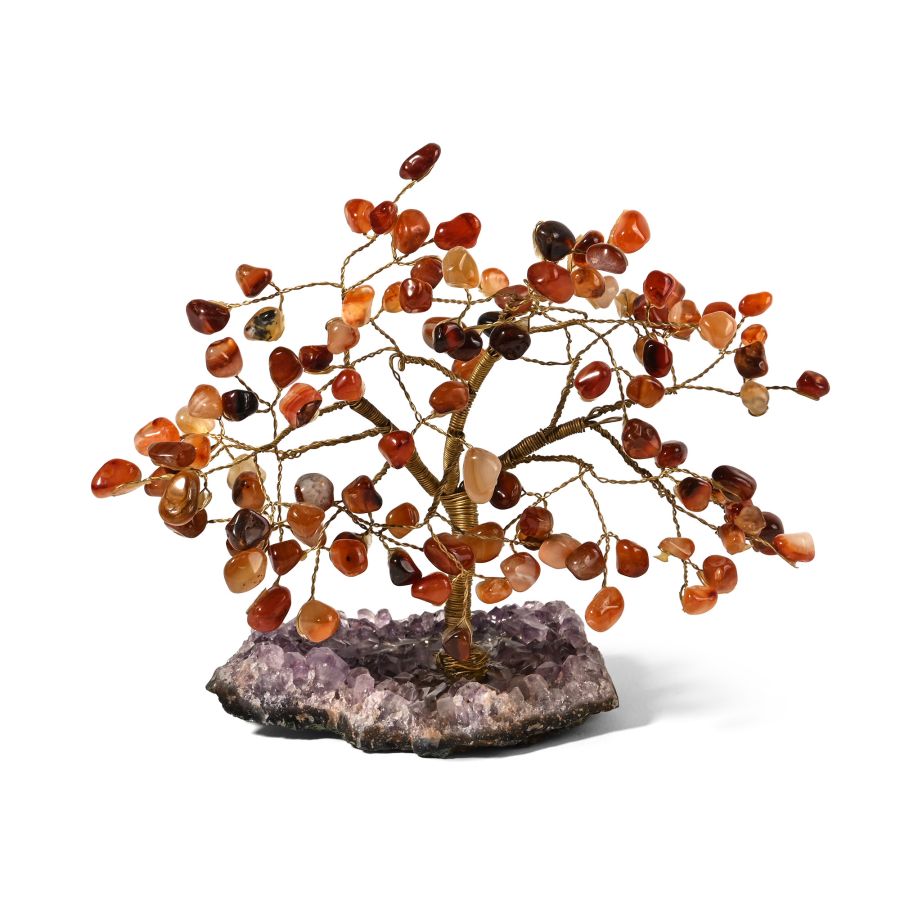
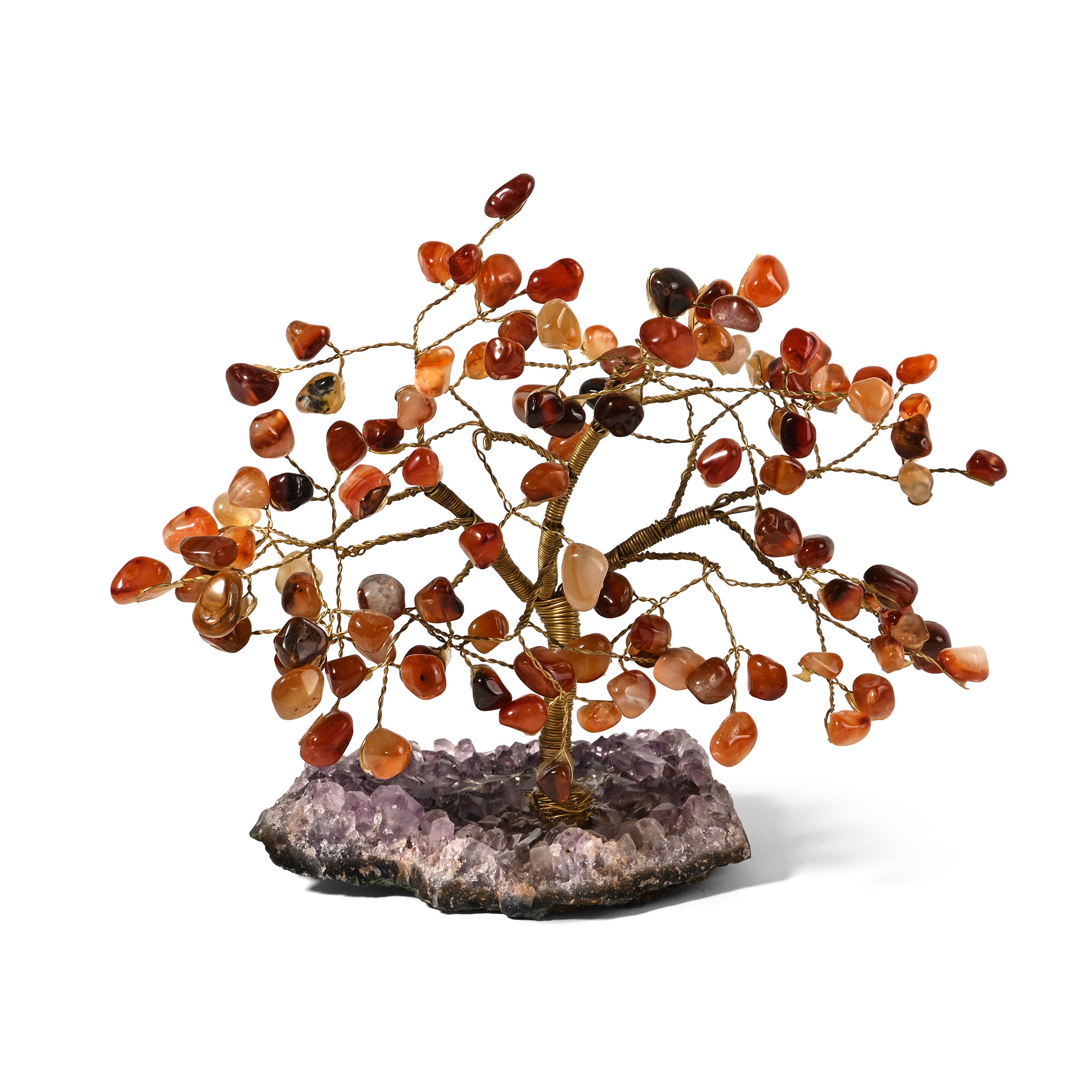
Carnelian Gem Tree on Amethyst Crystal Geode Section
6 1/4 in. (373 grams, 16 cm).
Irregular geode matrix with light purple amethyst crystals; the metal branches tipped with polished light-coloured carnelian and agate pebbles. [No Reserve]
ProvenanceFrom Brazil.
Ex Mineral Imports, London, UK.
Gregory, Bottley & Lloyd (Gregory's), Harwich, UK.
TimeLine Auctions follows a vetting process to ensure the authenticity and legality of all items, reinforcing our commitment to integrity and responsible trading. Each antiquity, antique, and coin lot undergoes thorough examination by a vetting committee of at least ten external specialists, professional trade association members, scientists, and archaeologists: Our Vetting Process
AUCTIONS:
TimeLine is a leading auction house specialising in antiquities, ancient art, collectables, natural history, coins, medals, and books. Our auctions offer museums, collectors, historians, and enthusiasts the opportunity to acquire unique and historically significant pieces.
-
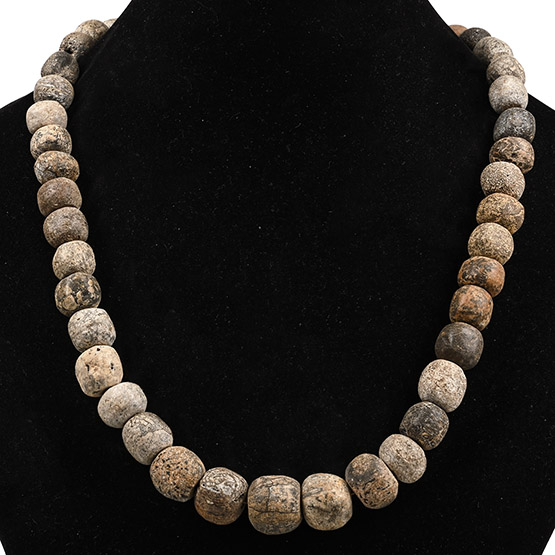
Woolly Mammoth Bone Bead Necklace String
Pleistocene Epoch, 2.6 million-11,700 years B.P.Sold for (Inc. bp): £91
Restrung, using recently polished Mammuthus primigenius spherical bone beads. 200 grams, 60 cm
London, UK, collection, 2000s.
The mammoth lineage branched from the Asian elephant around 6 million years ago, and later on the Woolly Mammoth, Mammuthus primigenius, evolved in eastern Siberia. Woolly mammoths, being slightly smaller than living African elephants, were foragers and ate grass, as well as small, nutritious flowering plants that flourished in the environment where they lived. They may also have used their curved tusks to dig through snow and eat plants that other foragers were unable to reach. -
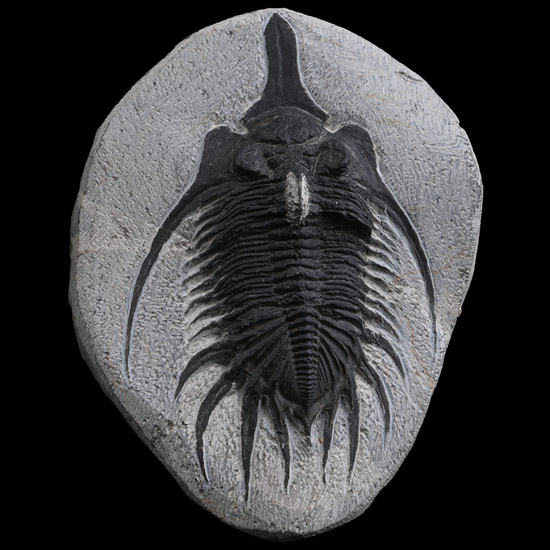
Psychopyge Elegans Fossil Trilobite on Matrix
Middle Devonian Period, circa 380 million years B.P.Sold for (Inc. bp): £338
Showing the characteristic long snout, long genal spines, long pleural spines, and bulbous cephalon. 865 grams, 15.3 cm
From a Cambridgeshire, UK, collection. -
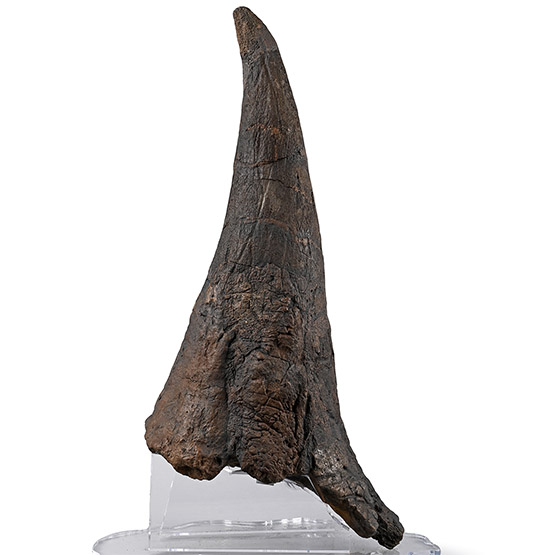
Adult Triceratops Dinosaur Fossilised Brow Horn
Cretaceous Period, circa 68-65 million years B.P.Sold for (Inc. bp): £16,250
A robust supraorbital brow horn from an adult individual, exhibiting the natural surface detail of the bone, the shaft clearly showing the numerous deep branching grooves and pits (nutrient canals and foramina), which supplied blood to the outer horn sheath; preserved in fragmentary condition, restored, and mounted on a custom-made display stand. 25 kg total, 76 cm including stand
Discovered in USA.
With its three-horned head, the Triceratops is one of the most famous species of dinosaur that roamed the Earth. Scientists have recently discovered that horned dinosaurs, including the famous Triceratops, lived in Europe, as well as Asia and North America, at the very end of the Cretaceous Period before the fatal mass extinction triggered by the asteroid that caused the Chicxulub crater 65 million years ago. Triceratops means ‘three-horned face,’ a group characterised by their large size, frills, and horns. Adults could grow up to 9 meters (30 feet) in length and weigh between 6 and 12 tons. The most striking features are its two long, forward-pointing horns, which were located above the eyes. These ‘brow horns’ were likely used for display, combat, and defence against predators like Tyrannosaurus rex. A smaller horn resided on the nose.
