
LOT 3454
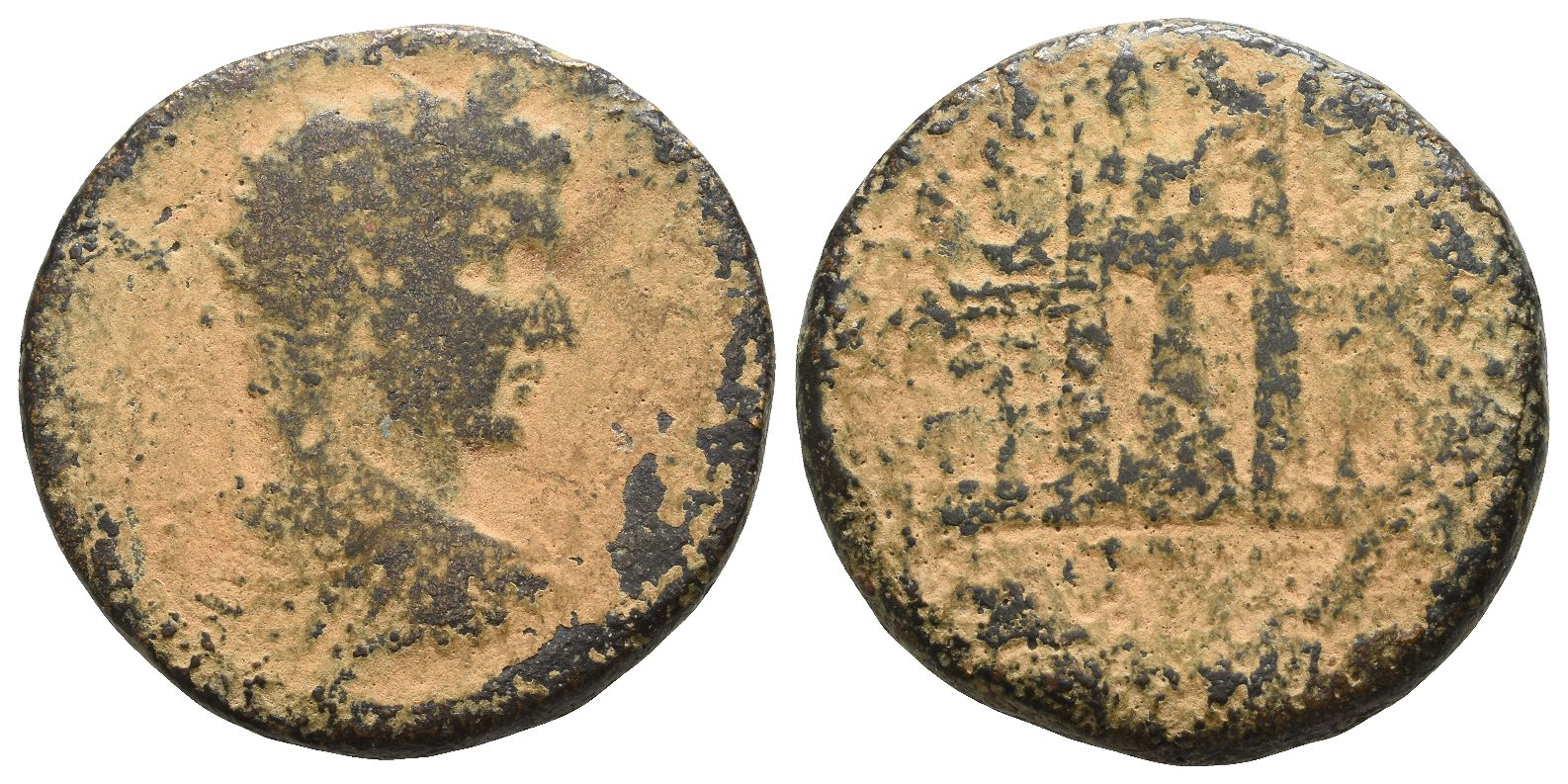
Caracalla AE 31mm of the Koinon of Cyprus. AD 198-217.
Radiate, laureate, draped and cuirassed bust to right / Temple of Paphian Aphrodite within which cone, crescent and star on top of temple, roofed wing on each side within which candelabrum stands, dove on roof of each wing, paved semicircular court before temple. Cf. RPC V.3, Unassigned ID 69942; cf. Lindgren & Kovacs 1664. Good Fine.(21.99gr, 31mm, 6h.).
ProvenanceAcquired on the UK market.
Property of a London antiquarian.
Palea Paphos was one of the most important pilgrimage centres in the Greek world due to its famous Sanctuary of Aphrodite; the goddess herself was born of the sea near Paphos, and floated in on a scallop shell. When she arose, she was hailed as 'Cyprian'.
The Sanctuary of Aphrodite continued to flourish well into the Roman era. Several Roman emperors honoured the shrine, and it was visited by Titus in AD 69 when the future emperor was on his way to Egypt; he consulted the oracle of Aphrodite, and was told that he had a great future. The sanctuary was rebuilt by the Romans after the earthquake of AD 76/77, in a design that preserved the layout of the original. The cult of Aphrodite survived at Palea Paphos until the 4th century AD, when emperor Theodosius I outlawed paganism. Today, virtually nothing remains of the Sanctuary save the holy ground itself.
TimeLine Auctions follows a vetting process to ensure the authenticity and legality of all items, reinforcing our commitment to integrity and responsible trading. Each antiquity, antique, and coin lot undergoes thorough examination by a vetting committee of at least ten external specialists, professional trade association members, scientists, and archaeologists: Our Vetting Process
AUCTIONS:
TimeLine is a leading auction house specialising in antiquities, ancient art, collectables, natural history, coins, medals, and books. Our auctions offer museums, collectors, historians, and enthusiasts the opportunity to acquire unique and historically significant pieces.
-
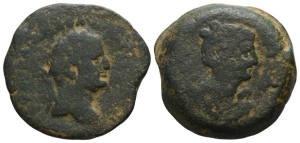
Vespasian AE Drachm of Alexandria, Egypt. Dated RY 3(?) (AD 70/1).
Sold for (Inc. bp): £26
[ΑΥΤΟΚ ΚΑΙΣ ΣЄΒΑ ΟΥЄΣΠΑΣΙΑΝΟΥ], laureate head to right / Winged and draped bust of Nike to right; [L Γ?] (date) to right. Cf. RPC II 2427; cf. Dattari (Savio) 389-90; cf. Emmett 208.3. 29.02gr, 35mm, 12h.
Good Fine.
From the collection of a gentleman, acquired on the London art market in the 1990s. -
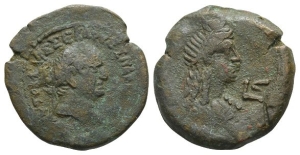
Vespasian AE Diobol of Alexandria, Egypt. Dated RY 6 (AD 73/4).
Sold for (Inc. bp): £13
ΑΥΤΟΚ ΚΑΙΣ ΣΕΒΑ ΟΥΕΣΠΑ[ΣΙΑΝΟΥ], laureate head to right / Draped bust of Isis to right, wearing taenia and crown of solar disk and horns; L Ϛ (date) to right. RPC II 2442; Dattari (Savio) 385; Köln 299; K&G 20.44; Emmett 217.6. 9.23gr, 26mm, 12h.
Near Very Fine.
From the collection of a gentleman, acquired on the London art market in the 1990s. -
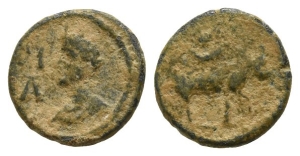
Palmyrene, Palmyra AE 14mm. Circa 2nd-3rd centuries AD. Pseudo-autonomomous issue.
Sold for (Inc. bp): £46
Draped male bust to left; ΠΑ before / Bull standing to right, head facing; above, sun and crescent. De Saulcy p. 61, 8 var. (confronted busts on obverse); Krzyzanowska -. 1.73gr, 12mm, 10h.
Very Fine. Apparently unpublished and possibly unique.
Acquired on the European coin market. Property of a Kent, UK, gentleman.
