
LOT 3439
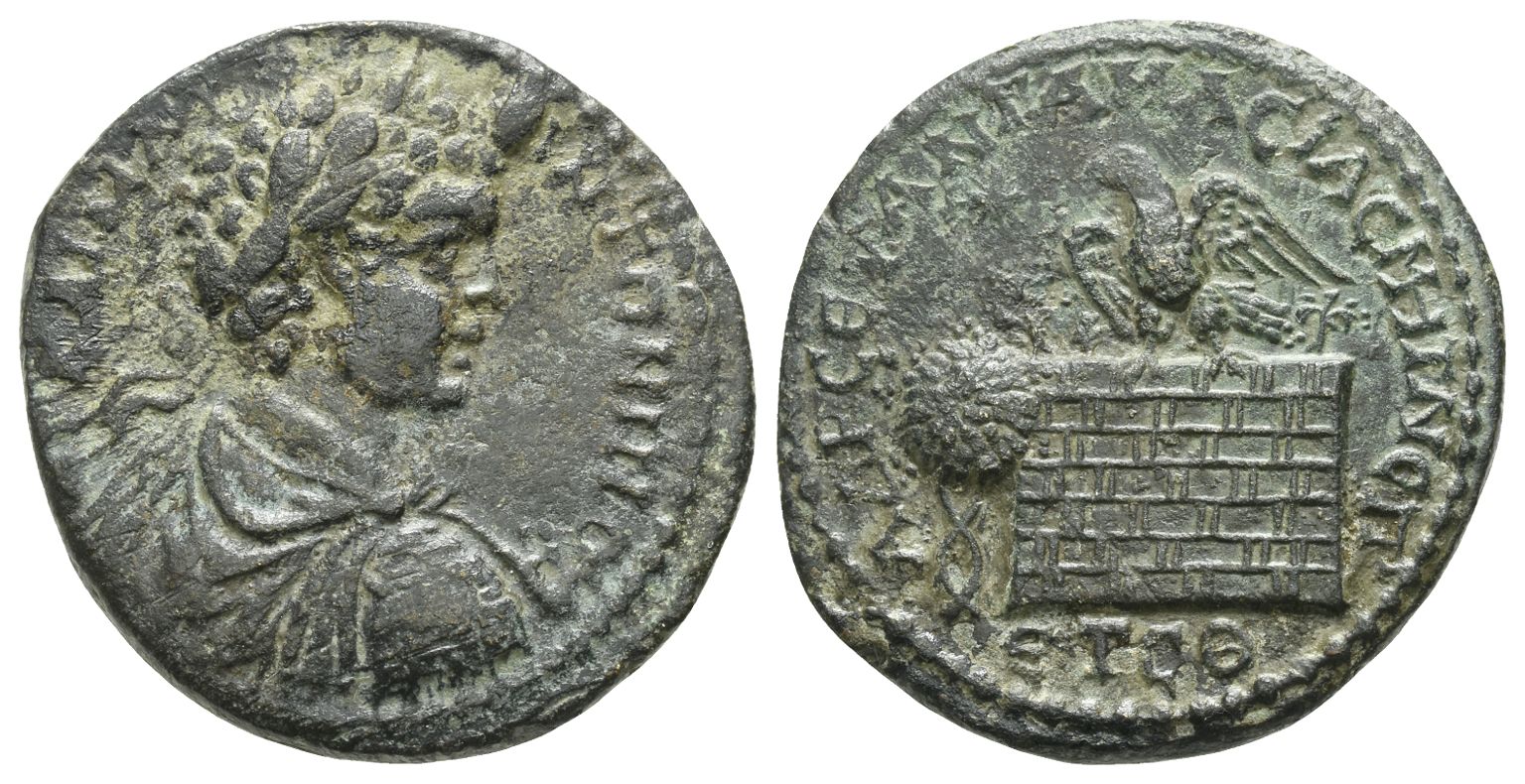
Caracalla AE 30mm of Amaseia, Pontos. Dated CY 209 (AD 206/7).
ΑΥ ΚΑΙ Μ ΑΥP ΑΝΤΩΝΙΝΟϹ, laureate, draped and cuirassed bust to right, seen from rear / ΑΔΡ ϹЄΥ ΑΝΤ ΑΜΑϹΙΑϹ ΜΗT NЄ ΠP (MH and ΠP ligate), high altar surmounted by eagle with spread wings standing to left; to left, tree; star in upper left field; ЄΤ ϹΘ (date) below. RPC V.3 Unassigned ID 83890; Dalaison, Amaseia 522. Near Extremely Fine. Sharp details.(15.09gr, 30mm, 6h.).
ProvenanceAcquired on the European coin market.
Property of a Kent, UK, gentleman.
TimeLine Auctions follows a vetting process to ensure the authenticity and legality of all items, reinforcing our commitment to integrity and responsible trading. Each antiquity, antique, and coin lot undergoes thorough examination by a vetting committee of at least ten external specialists, professional trade association members, scientists, and archaeologists: Our Vetting Process
AUCTIONS:
TimeLine is a leading auction house specialising in antiquities, ancient art, collectables, natural history, coins, medals, and books. Our auctions offer museums, collectors, historians, and enthusiasts the opportunity to acquire unique and historically significant pieces.
-
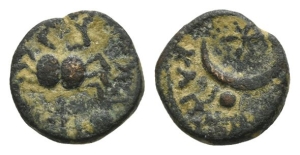
Mesopotamia, Carrhae AE 10mm. Time of the Antonines, circa AD 138-192. Pseudo-autonomous issue.
Sold for (Inc. bp): £20
Crab; [ΚΑΡΡΗΝѠΝ] below / Crescent on filleted globe surmounted by star; ΚΑΡΡ[ΗΝѠΝ] below. RPC IV.3 Online 3984 (temporary). 1.00gr, 10mm, 12h.
Very Fine.
Property of a North London, UK, gentleman. -
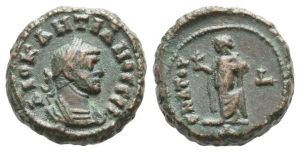
Diocletian BI Tetradrachm of Alexandria, Egypt. Dated RY 9 (AD 292/3). 1st or 4th officina.
Sold for (Inc. bp): £20
ΔΙΟΚΛΗΤΙΑΝΟC CЄΒ, laureate and cuirassed bust to right, seen from front / Elpis advancing to left, holding lotus flower and lifting hem of dress; L ENATOY (date) around, A or Δ (officina) in exergue. RPC X Unassigned ID 76463 or 76462; Dattari (Savio) 5674 or 5675. 8.49gr, 19mm, 12h.
Very Fine. Dark green patina.
From the collection of a gentleman, acquired on the London art market in the 1990s. -
.jpg)
Judaea. Procurators, Porcius Festus AE Prutah. Dated RY 5 of Nero (58/9 CE). Jerusalem mint. In the name of Nero.
Sold for (Inc. bp): £65
NЄPധNOC in three lines within wreath / [L Є KAIC]-APOC, palm branch. RPC I, 4972; TJC 345; Hendin GBC 6, 6380; Hendin GBC 5, 1351. 2.60gr, 18mm, 12h.
Very Fine.
From the collection of a gentleman, acquired on the London art market in the 1990s.
