
Loading, please wait...

LOT 2268
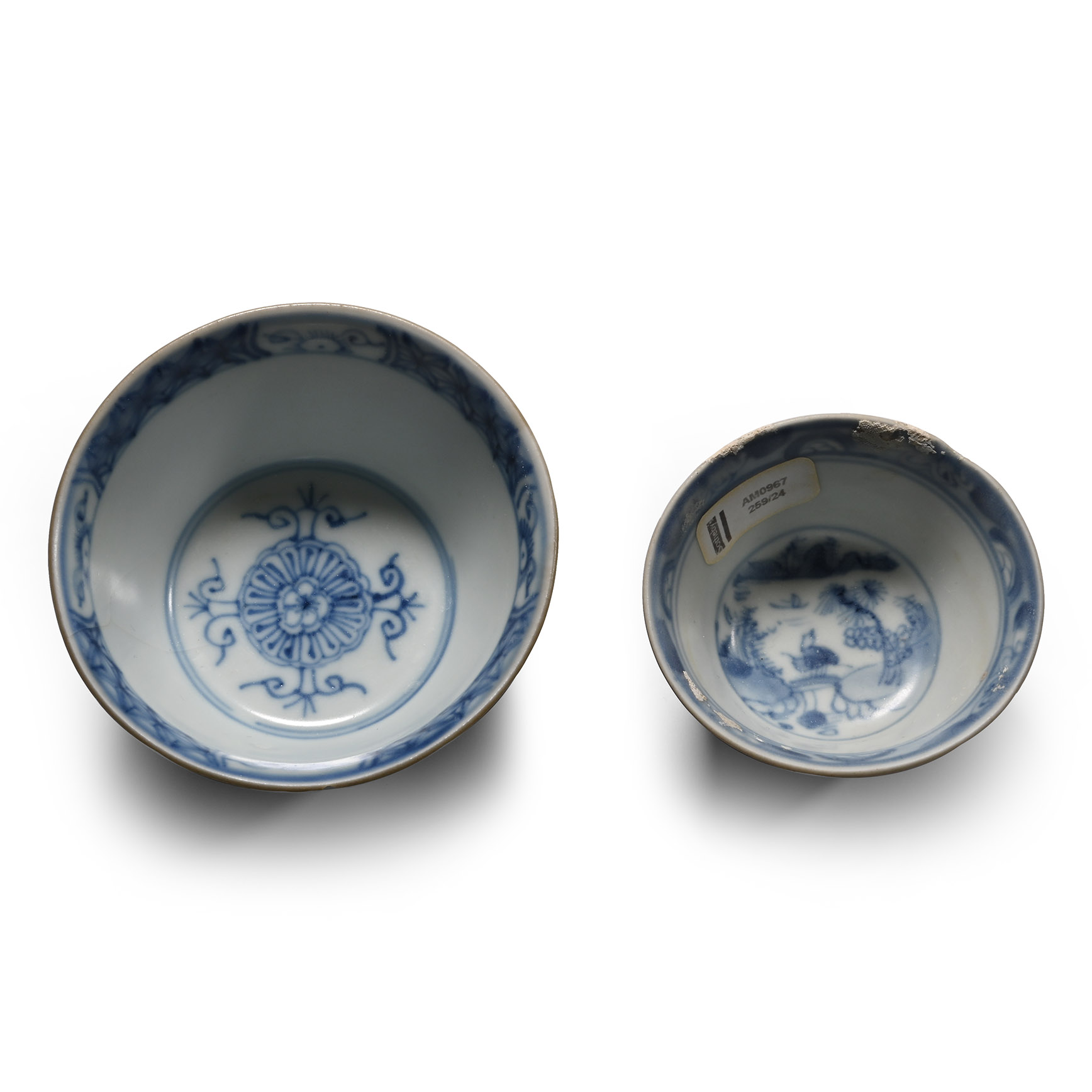
Ca Mau Cargo Shipwreck Glazed Blue and White Tea Cup Group
EARLY 18TH CENTURY A.D.
2 5/8 - 3 1/4 in. (124 grams total, 68-84 mm).
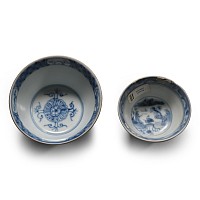
Comprising two deep cups with decorative border to the inner face; one with a painted lake scene with a man crossing a bridge to the centre, the other with a large floral motif. [2, No Reserve]
ProvenanceEx Sotheby's, Amsterdam, 29-31 January 2007.
Accompanied by an illustrated information sheet about the Ca Mau shipwreck.
This lot is accompanied by an illustrated lot declaration signed by the Head of the Antiquities Department, Dr Raffaele D'Amato.
The Ca Mau shipwreck refers to a cargo of Chinese porcelain sunk between 1723 and 1735 off the coast of Vietnam. The wreck was discovered by Vietnamese fishermen in 1998. It is believed the wreck was a merchant’s junk on its way from Canton (Guangzhou) to Batavia when it caught fire and sank. The ship was carrying goods destined for Dutch traders who had limited access to China and its ports.
CONDITIONTimeLine Auctions follows a vetting process to ensure the authenticity and legality of all items, reinforcing our commitment to integrity and responsible trading. Each antiquity, antique, and coin lot undergoes thorough examination by a vetting committee of at least ten external specialists, professional trade association members, scientists, and archaeologists: Our Vetting Process
AUCTIONS:
TimeLine is a leading auction house specialising in antiquities, ancient art, collectables, natural history, coins, medals, and books. Our auctions offer museums, collectors, historians, and enthusiasts the opportunity to acquire unique and historically significant pieces.
LOT 2268
Ca Mau Cargo Shipwreck Glazed Blue and White Tea Cup Group
Sold for (Inc. bp): £124
-
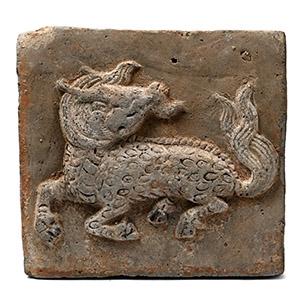
Chinese Song Terracotta Tile with Dragon
Song Dynasty, 960-1279 A.D. or laterSold for (Inc. bp): £124
Rectangular tile with high-relief dragon in a dynamic pose with its head turned back; some pigment remaining. 2.28 kg, 23 cm wide
From a West Country, UK, collection, 1990s. This lot is accompanied by an illustrated lot declaration signed by the Head of the Antiquities Department, Dr Raffaele D'Amato. -
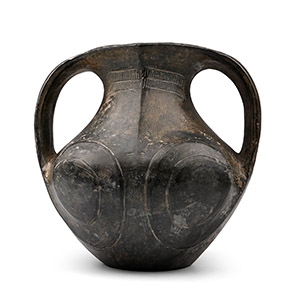
Chinese Han Sichuan Black Eye Pottery Amphora
Han Dynasty, 206 B.C.-220 A.D.Sold for (Inc. bp): £169
Burnished black ware jar with scooped and carinated profile to the neck, two broad strap handles with roundel detailing, hatched panels to the neck, spiral 'eye' panels to the lower body, incised scrolls to the underside. 909 grams, 18.5 cm wide
From the private collection of a Canadian gentleman living in Essex, UK, formed since the 1920s-circa 1990. Property of an Essex lady until the late 1990s; thence by descent. From the private collection of an Essex gentleman since the late 1990s. This lot is accompanied by an illustrated lot declaration signed by the Head of the Antiquities Department, Dr Raffaele D'Amato. -
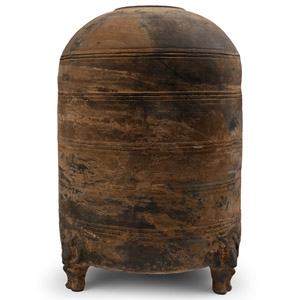
Chinese Han Terracotta Jar with Footed Supports
Han Dynasty, 206 B.C.-220 A.D. or laterSold for (Inc. bp): £234
With parallel sides and domed shoulder, low rim; circumferential bands of ribbing; three anthropomorphic stub feet. 2.64 kg, 30 cm
Previously from a Hong Kong collection. Ex property of a London, UK, gentleman. This lot is accompanied by an illustrated lot declaration signed by the Head of the Antiquities Department, Dr Raffaele D'Amato.
