
Loading, please wait...
LOT 0171
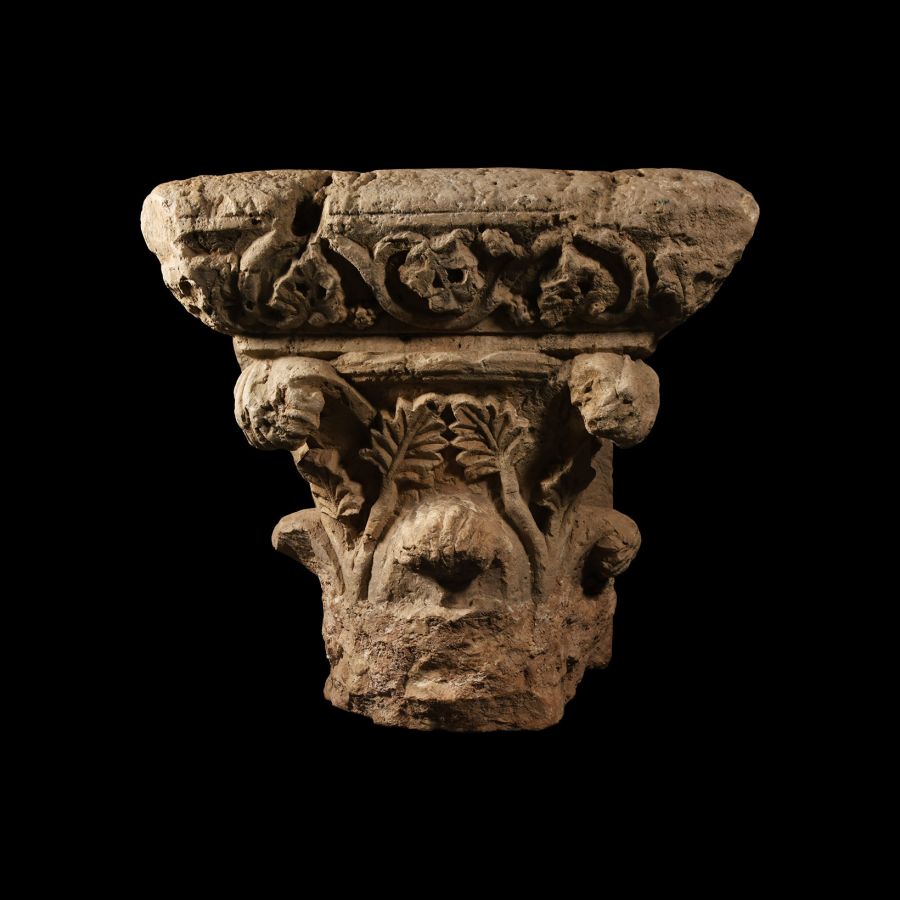
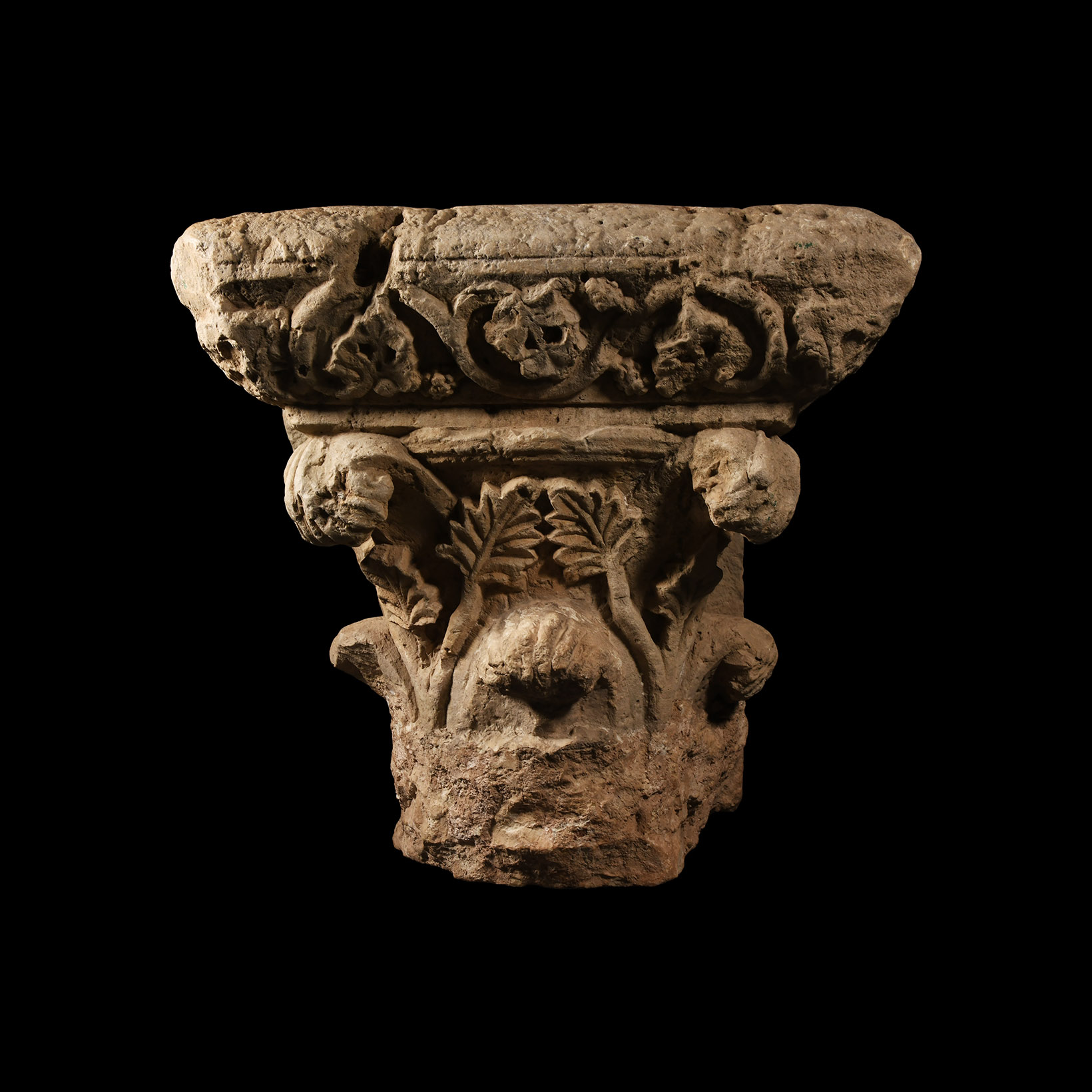
Byzantine Theodosian Type Corinthian Capital
4TH-5TH CENTURY A.D.
17 1/2 in. (98.1 kg, 44.5 cm high).
A marble capital of Theodosian type, the foliate base covered with small acanthus leaves followed by a row of eight drooping thorny acanthus leaves, placed between the smaller acanthus leaves arranged below the circular kalathos, wide abacus above, decorated with a foliage frieze of intertwining branches and vines.
ProvenanceAcquired 1970s-1996.
Property of a North American collector.
London collection, 2016.
Accompanied by an academic report by Dr. Raffaele D'Amato.
This lot has been checked against the Interpol Database of stolen works of art and is accompanied by AIAD certificate no.11331-192904.
Cf. Mendel, G., Catalogue des sculptures grecques, romaines et byzantines, Constantinople, 1914, no.741 (2367), vol.II, p.537; Widrig, W., ‘Two Churches at Latrun in Cyrenaica’ in Papers of the British School at Rome, Vol. 46 (1978), pp.94-131, pls.XVIII, XIX,a, XX, lett.a,c; Ermiş, Ü.M., ‘The reuse of the Byzantine spolia in the Green Mosque of Bursa’ in Art Sanat, 6, 2016, pp.99-108, ff.1ff.; Khrushkova, L., ‘Byzantine Capitals of the Architectural Complex of the ‘Basilica of 1935’ in Chersonesos in Crimea,’ in Moreau, D. et al. (eds.), Archaeology of a World of Changes. Late Roman and EarlyByzantine Architecture, Sculpture and Landscapes: Selected Papers from the 23rd International Congress of Byzantine Studies (Belgrade, 22-27 August 2016) - In memoriam Claudiae Barsanti - British Archaeological Reports International Series, 2020, p.291-301, figs.3-5, 8.
FootnotesThe features of this capital are consistent with the type of the ‘so-called Theodosian capital, the composite capital with fine-toothed acanthus leaves'. The exterior appearance of these capitals, developed from the late 4th century A.D., featured a high level of sculptural decoration which often takes the form of vines, fleur de lis, or grapes, reminiscent of the Christian words of the Gospel of John (15:1:8): I am the vine; you are the branches. Stone works like this from the Byzantine period of the Roman Empire were reused even in the successive Islamic monuments, as in the Green Mosque of Bursa, and mainly the Corinthian and composite capitals, columns and Attic column bases. These stone works, dated to the 5th and 6th centuries, are among widespread examples of the early architecture of the Eastern Roman Empire.
CONDITIONTimeLine Auctions follows a vetting process to ensure the authenticity and legality of all items, reinforcing our commitment to integrity and responsible trading. Each antiquity, antique, and coin lot undergoes thorough examination by a vetting committee of at least ten external specialists, professional trade association members, scientists, and archaeologists: Our Vetting Process
AUCTIONS:
TimeLine is a leading auction house specialising in antiquities, ancient art, collectables, natural history, coins, medals, and books. Our auctions offer museums, collectors, historians, and enthusiasts the opportunity to acquire unique and historically significant pieces.

Circa 7th century A.D.
Lot No. 0178
Sold for (Inc. premium): £832
10th-12th century A.D.
Lot No. 0843
Sold for (Inc. premium): £117
6th-9th century A.D.
Lot No. 0833 Opening bid: £180
