
Loading, please wait...
LOT 0743
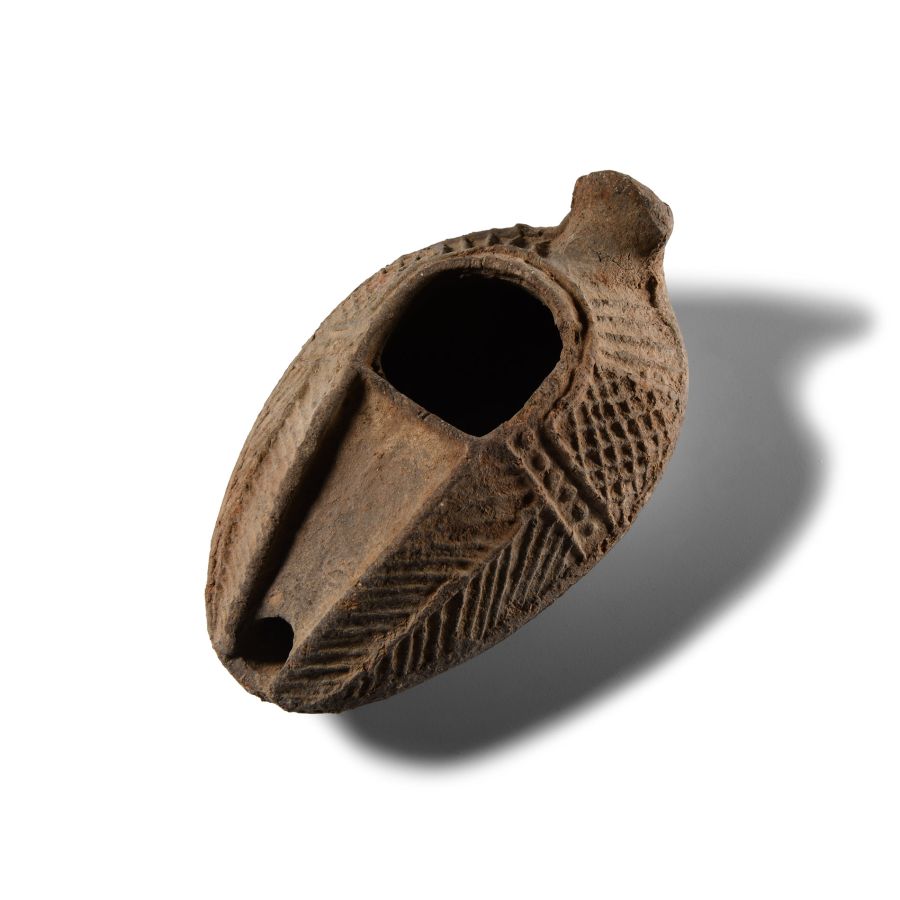
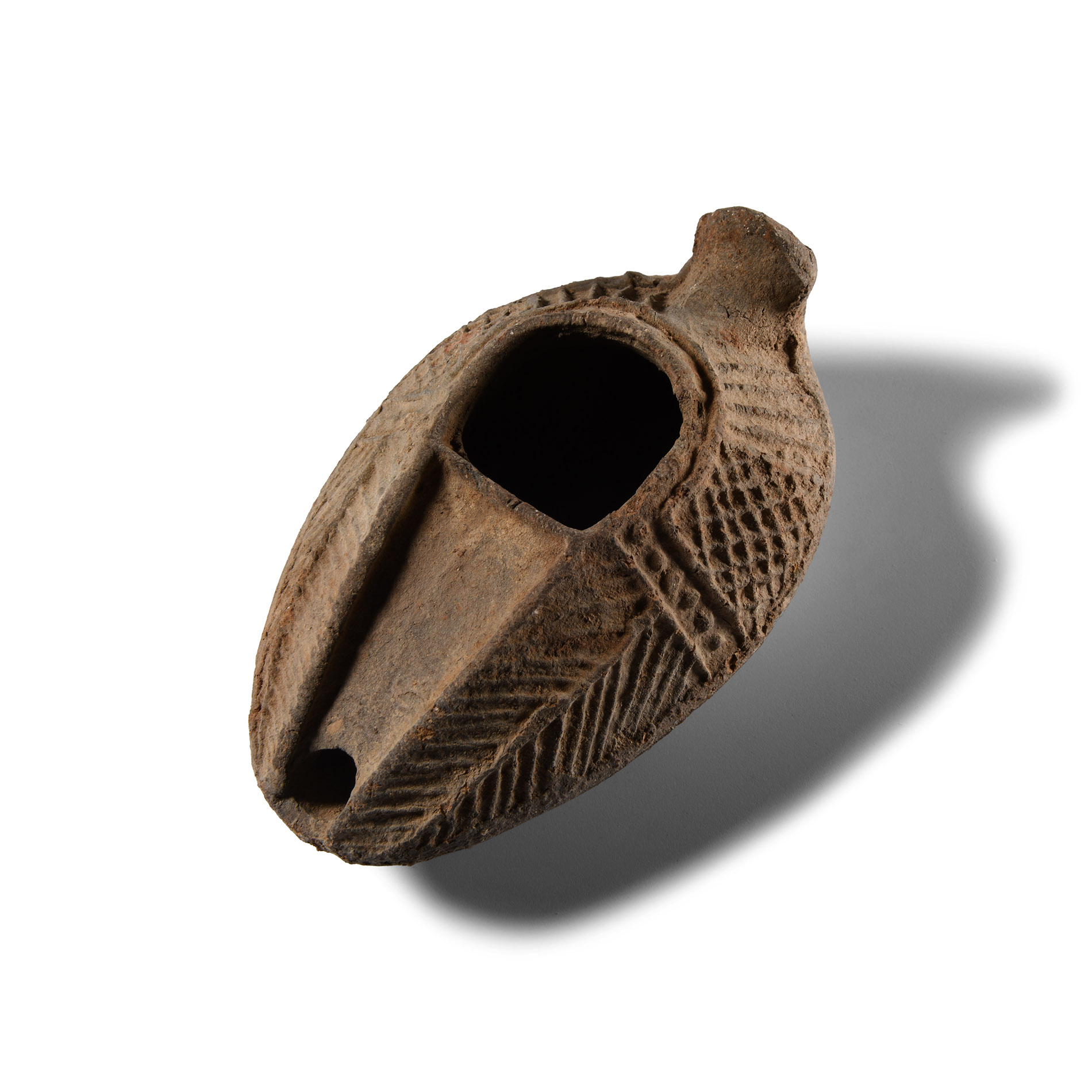
Byzantine Terracotta Slipper Oil Lamp
5TH-8TH CENTURY A.D.
3 7/8 in. (98 grams, 98 mm).
With a large tongue-shaped filling hole, a wide channel with raised edges running towards the nozzle, the sides with raised palm leaf decoration; the body of the lamp decorated with raised hatched panels and linear decoration; repaired. [No Reserve]
ProvenanceAcquired before 1990s/early 2000s.
From the family collection of Jack Lyttle (1944-2023), Kilmacolm, Scotland; thence by descent to his granddaughter.
Property of an East Sussex, UK, gentleman.
TimeLine Auctions follows a vetting process to ensure the authenticity and legality of all items, reinforcing our commitment to integrity and responsible trading. Each antiquity, antique, and coin lot undergoes thorough examination by a vetting committee of at least ten external specialists, professional trade association members, scientists, and archaeologists: Our Vetting Process
AUCTIONS:
TimeLine is a leading auction house specialising in antiquities, ancient art, collectables, natural history, coins, medals, and books. Our auctions offer museums, collectors, historians, and enthusiasts the opportunity to acquire unique and historically significant pieces.
-
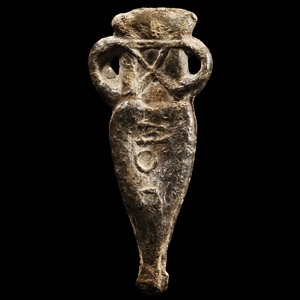
Byzantine Lead Pilgrim's Holy Water Ampulla
Circa 8th-13th century A.D.Sold for (Inc. bp): £39
Flat, piriform type with low-relief saltire to the neck and two loop handles. 16.4 grams, 51 mm
Acquired on the UK art market in the 1990s. Property of a Stowmarket, UK, gentleman. -
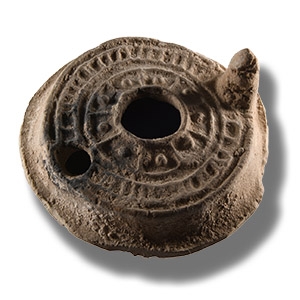
Byzantine Terracotta Oil Lamp
5th-8th century A.D.Sold for (Inc. bp): £52
With a round body and stub handle; circular filling hole enclosed within bands of raised geometric motifs and pellets. 92 grams, 83 mm
Acquired before 1990s/early 2000s. From the family collection of Jack Lyttle (1944-2023), Kilmacolm, Scotland; thence by descent to his granddaughter. Property of an East Sussex, UK, gentleman. -
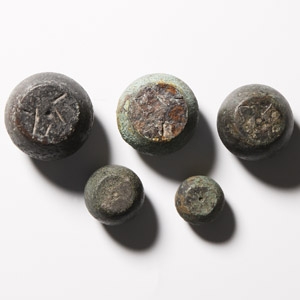
Byzantine Bronze Trade Weight Collection
Circa 8th-12th century A.D.Sold for (Inc. bp): £65
Mixed group of barrel-shaped weights pellets and other markings. 227 grams total, 14-26 mm
Ex Simmons Gallery, London E11, UK, in the 1990s. From a North London collection.
