
Loading, please wait...
LOT 1110
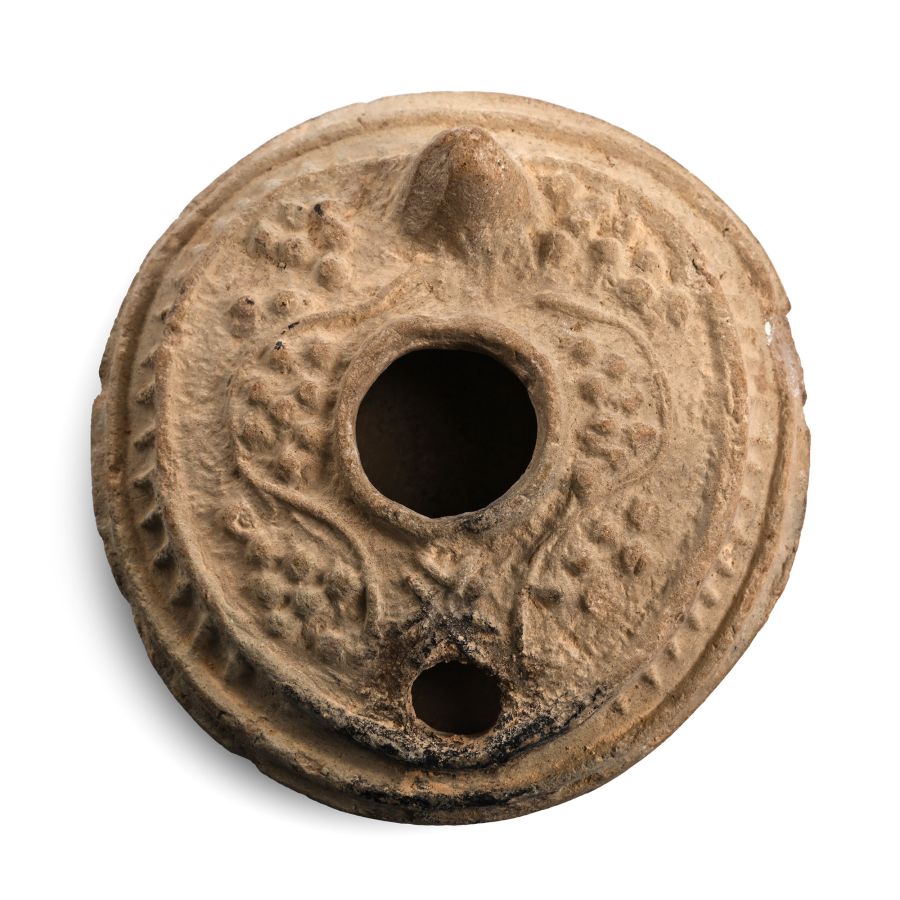
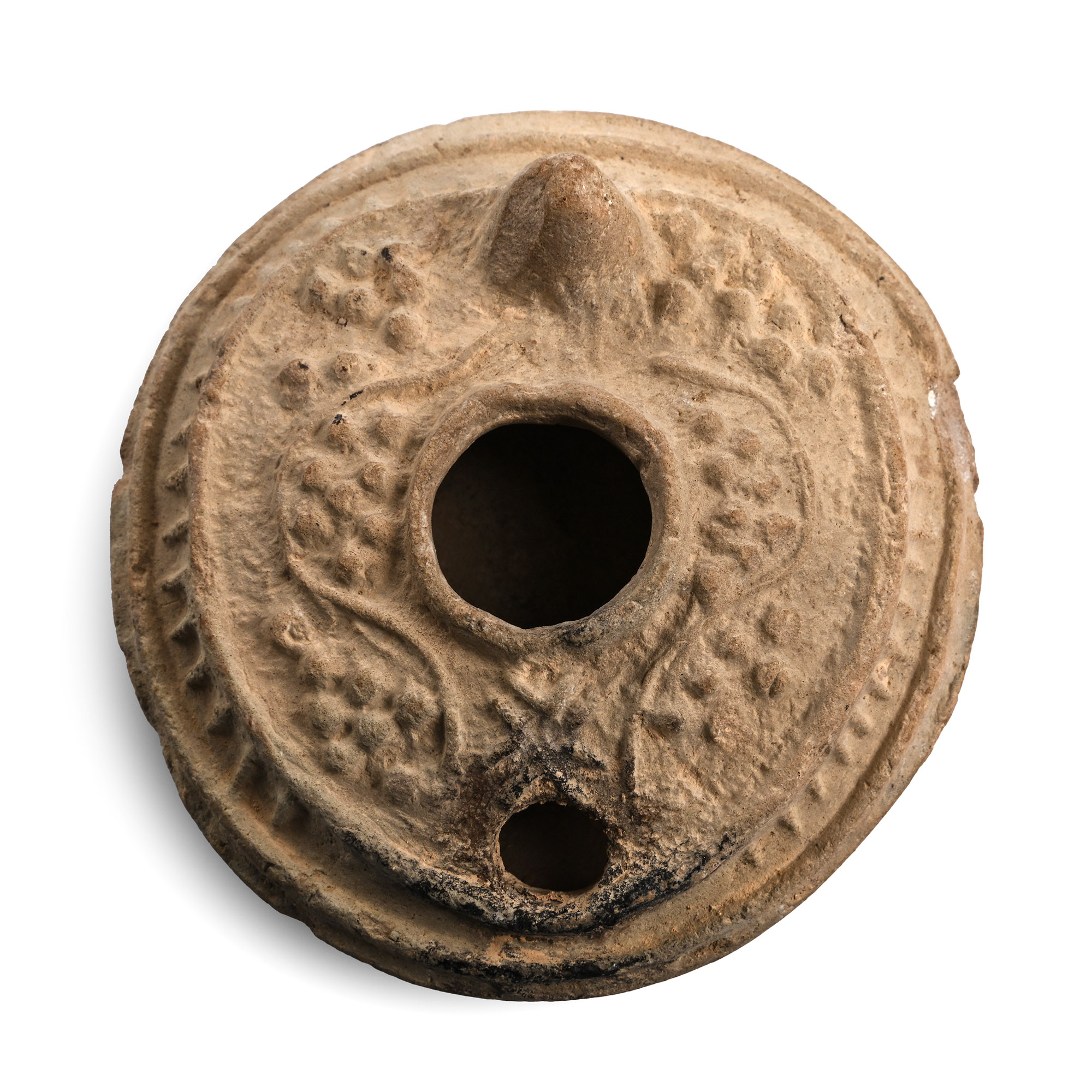
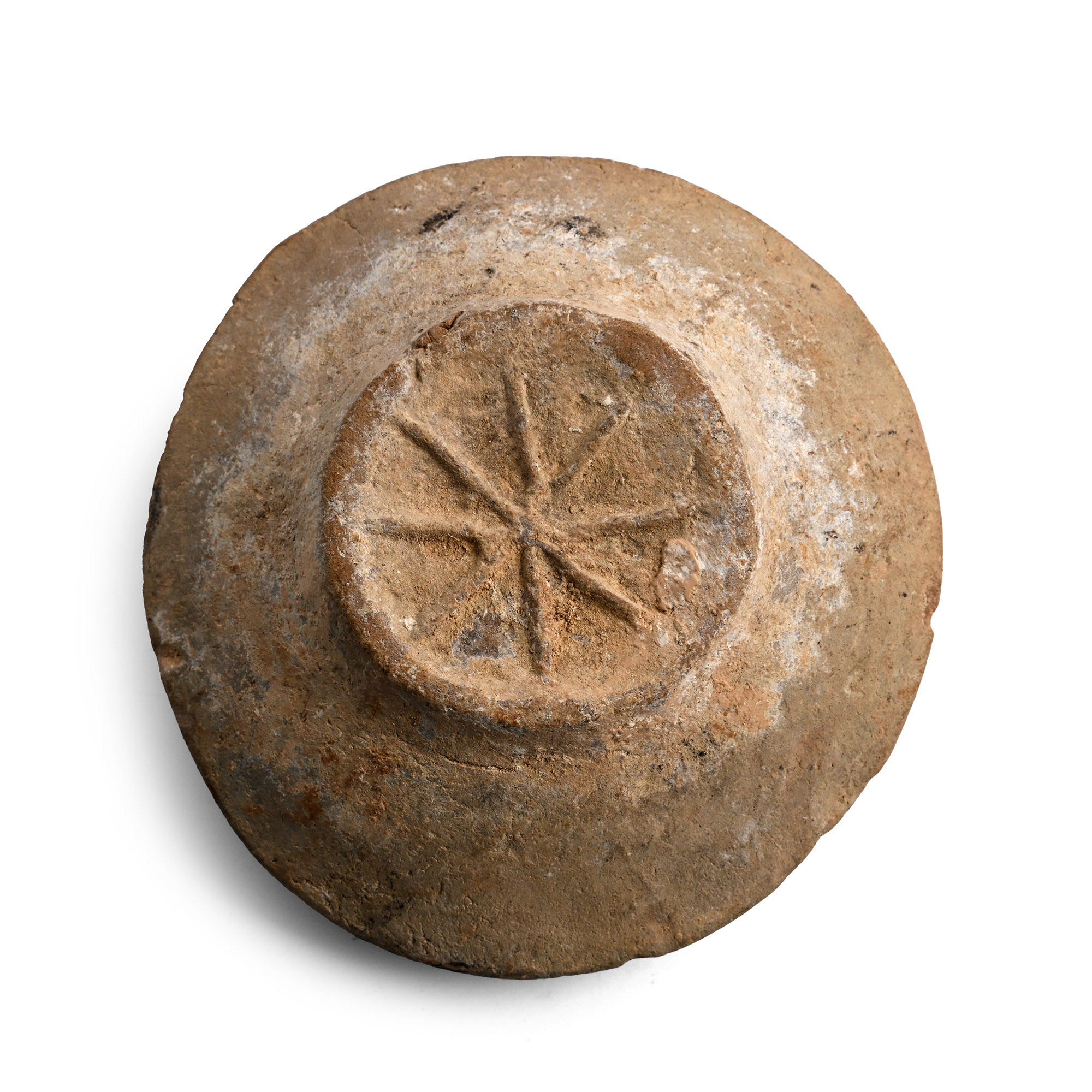
Byzantine Terracotta Oil Lamp with Grape Vines
5TH-7TH CENTURY A.D.
3 1/2 in. (109 grams, 88 mm).
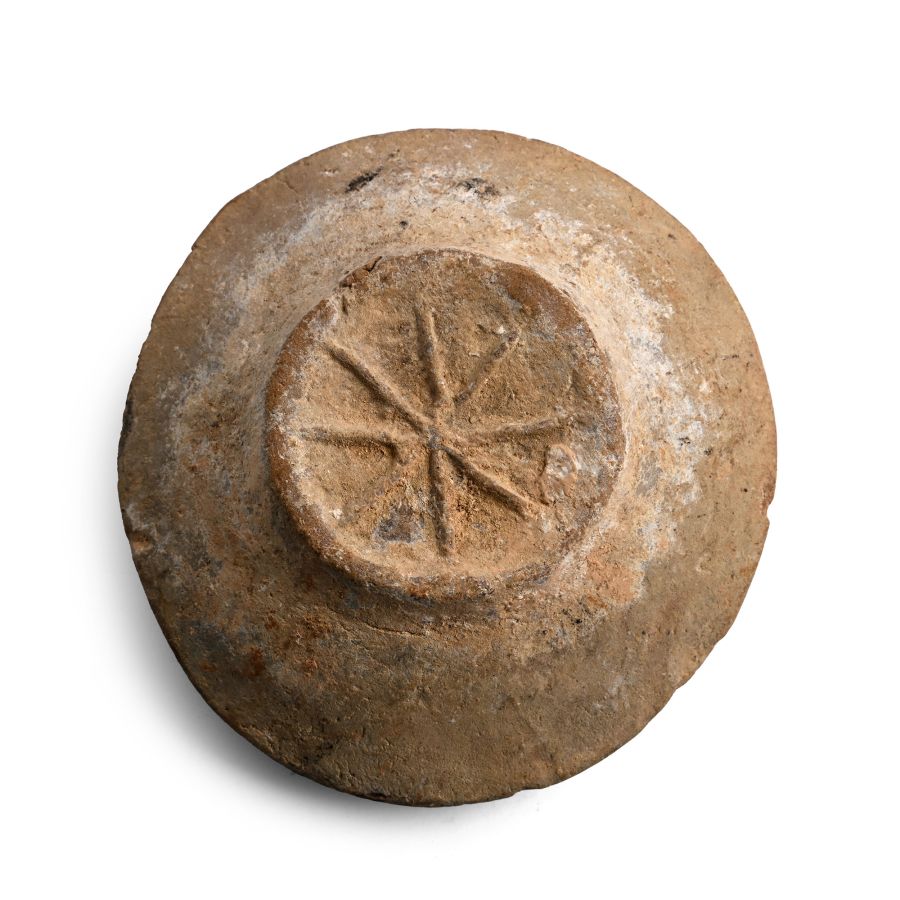
With a discoid body and spike handle; circular filling hole enclosed within bands of raised grape-and-vine motifs, hatched shoulder, low-relief starburst to the base. [No Reserve]
ProvenanceFrom the Lloyd and Jeanne Raport collection, Washington, D.C. and Florida, USA, formed between 1972-2000.
Acquired through Bonhams, London, UK.
TimeLine Auctions follows a vetting process to ensure the authenticity and legality of all items, reinforcing our commitment to integrity and responsible trading. Each antiquity, antique, and coin lot undergoes thorough examination by a vetting committee of at least ten external specialists, professional trade association members, scientists, and archaeologists: Our Vetting Process
AUCTIONS:
TimeLine is a leading auction house specialising in antiquities, ancient art, collectables, natural history, coins, medals, and books. Our auctions offer museums, collectors, historians, and enthusiasts the opportunity to acquire unique and historically significant pieces.
-
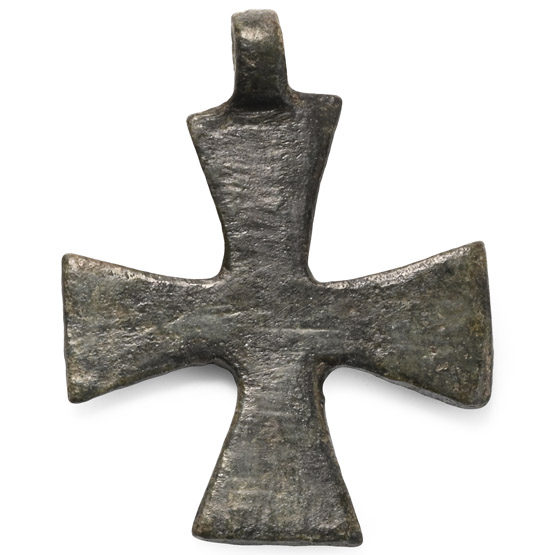
Byzantine Bronze Pendant Cross
6th-8th century A.D.Sold for (Inc. bp): £104
Expanding-arm type with integral loop. 2.07 grams, 24 mm
Ex German art market, 2000s. Acquired from an EU collector living in London. From the collection of a Surrey, UK, gentleman. -
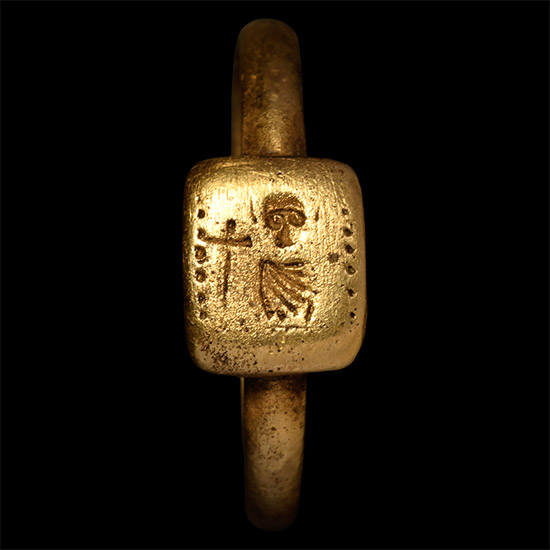
Byzantine Gold Ring with Saint
Circa 6th-8th century A.D.Sold for (Inc. bp): £1,820
D-section hoop with domed square bezel, incuse bust with mantle draped from the right shoulder, cross to one side, lateral bands of punched pellets. 2.28 grams, 22.27 mm overall, 18.19 mm internal diameter (approximate size British O 1/2, USA 7 1/4, Europe 15.61, Japan 15)
Ex collection of a late Christian gentleman, 1970s -
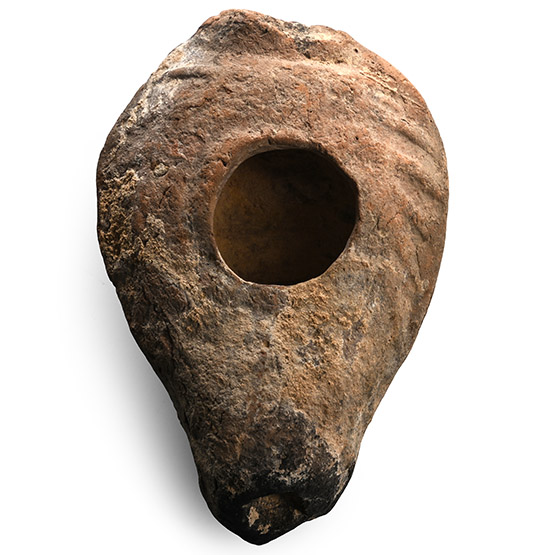
Byzantine Terracotta Oil Lamp
5th-7th century A.D.Sold for (Inc. bp): £21
Lentoid in section and piriform in plan with vestigial knop handle, raised ribbing to the shoulders. 47 grams, 79 mm
From the Lloyd and Jeanne Raport collection, Washington, D.C. and Florida, USA, formed between 1972-2000. Acquired through Bonhams, London, UK.
