
Loading, please wait...
LOT 1297
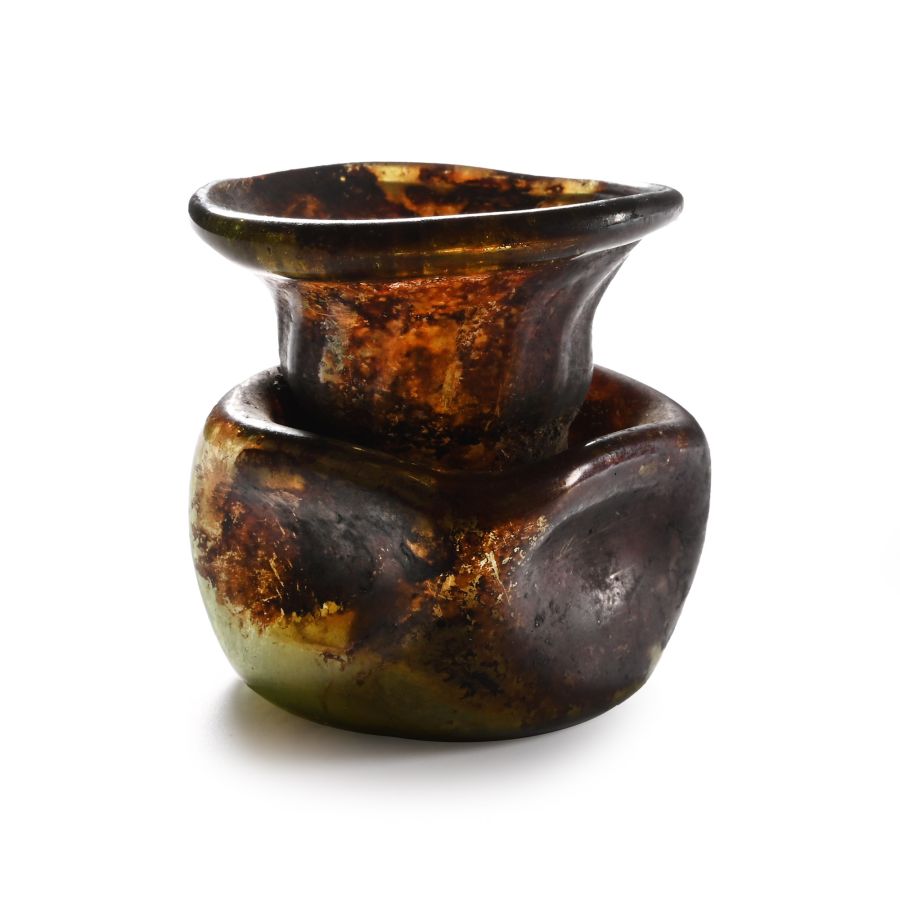
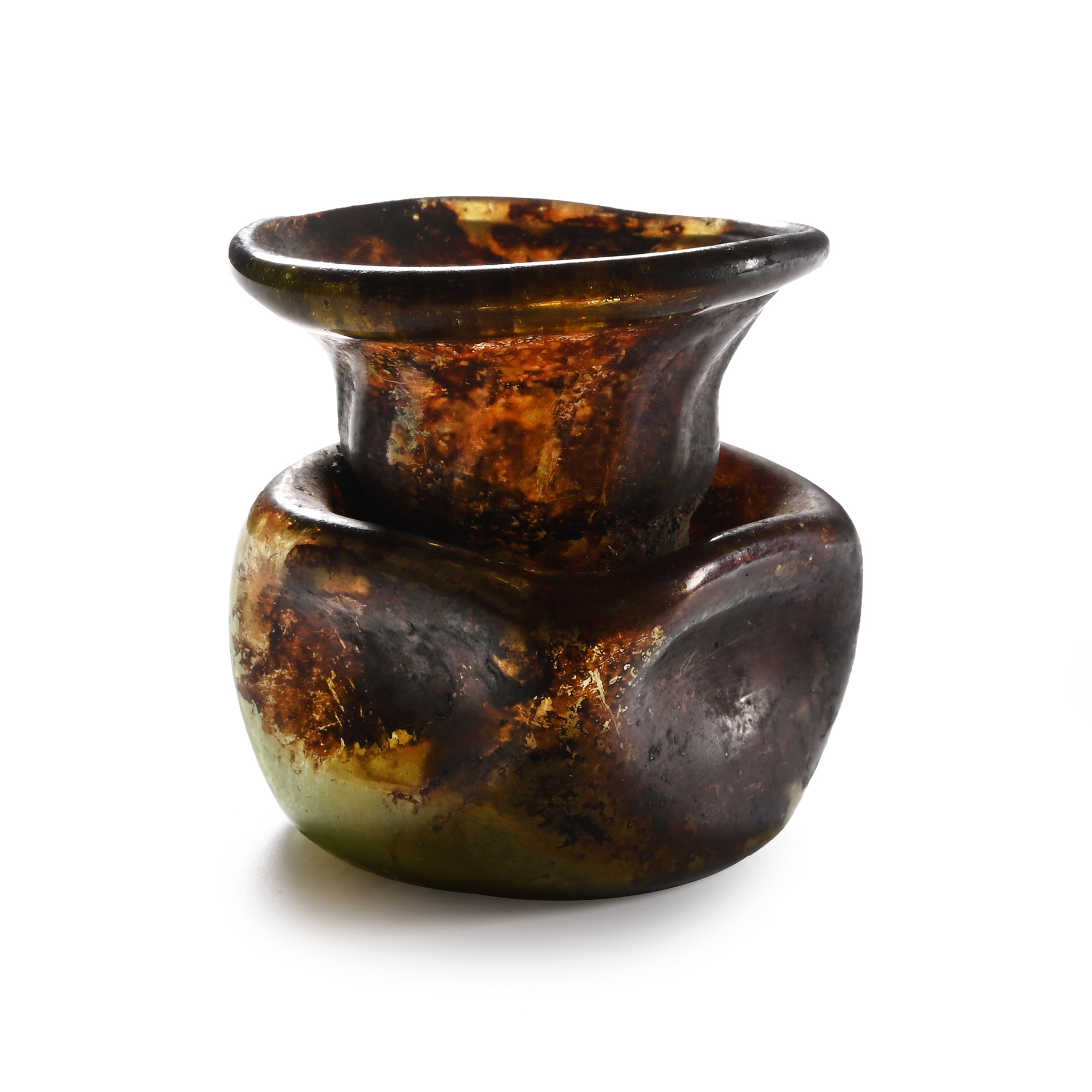
Byzantine Square Green Glass Flask
6TH-7TH CENTURY A.D.
2 in. (34.7 grams, 49 mm).
With dimple to the underside, squat square body and wide everted rim.
ProvenanceFrom an important London collection of glass, 1990s.
LiteratureSee Whitehouse, D., Roman Glass in the Corning Museum of Glass, vol.2, New York, 2001, items 643-645, for type.
CONDITIONTimeLine Auctions follows a vetting process to ensure the authenticity and legality of all items, reinforcing our commitment to integrity and responsible trading. Each antiquity, antique, and coin lot undergoes thorough examination by a vetting committee of at least ten external specialists, professional trade association members, scientists, and archaeologists: Our Vetting Process
AUCTIONS:
TimeLine is a leading auction house specialising in antiquities, ancient art, collectables, natural history, coins, medals, and books. Our auctions offer museums, collectors, historians, and enthusiasts the opportunity to acquire unique and historically significant pieces.
LOT 1297
Byzantine Square Green Glass Flask
Estimate £150 - 200€170 - 230 (for guidance only)$200 - 270 (for guidance only)
-
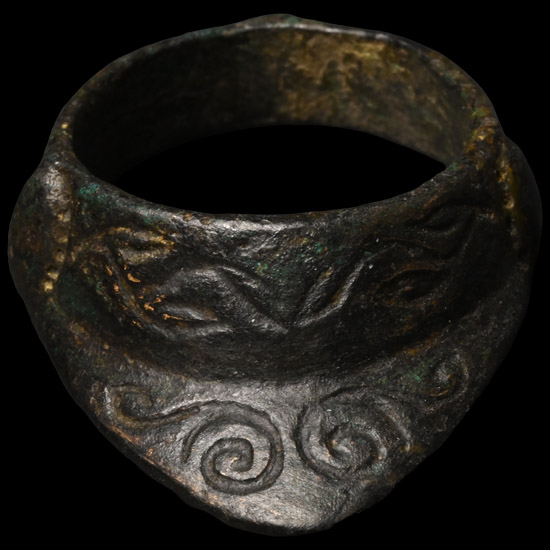
Byzantine Bronze Decorated Archer's Thumb Ring
10th-14th century A.D.Sold for (Inc. bp): £117
Wide hoop with three raised bosses, triangular extension with vine-leaf and scroll decoration. 9.75 grams, 39.38 mm overall, 21.50 x 22.11 mm internal diameter (approximate size British Y 1/2, USA 12 1/4, Europe 28.2, Japan 27)
Ex Wiltshire, UK, collection, 1990s. -
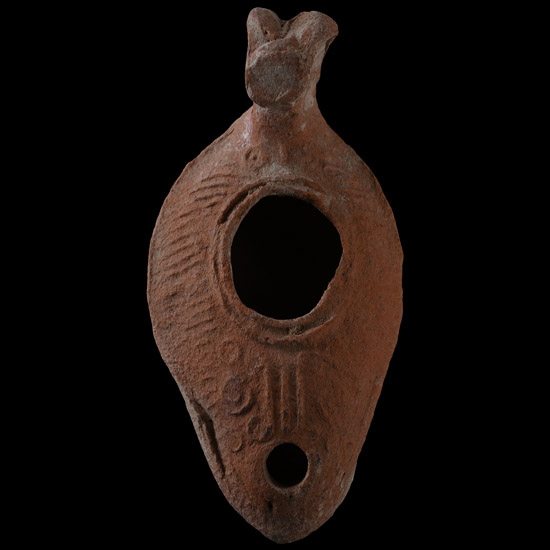
Byzantine Period Terracotta Oil Lamp with Raised Handle
Circa 5th-7th century A.D.Sold for (Inc. bp): £39
Comprising a piriform body with low-relief linear and ring-and-dot decoration, a tall handle with a forked finial at the rear, and a low basal ring. 62.6 grams, 10.6 cm
From the collection of a Yorkshire, UK gentleman, items collected in the Holy Land in the 1960s. -
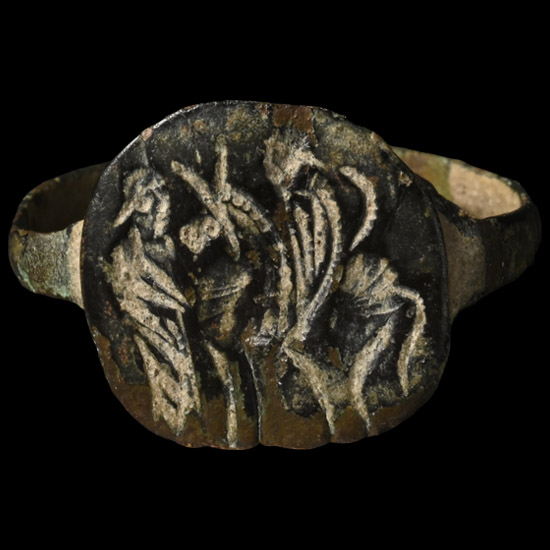
Byzantine Bronze Ring with Jesus Riding a Donkey
6th-7th century A.D.Sold for (Inc. bp): £91
Comprising a slender hoop with an oval bezel featuring an image of Jesus riding on a donkey before a robed man. 1.92 grams, 21.99 mm overall, 19.65 x 19.26 mm internal diameter (approximate size British T 1/2, USA 9 3/4, Europe 21.89, Japan 21)
From an English private collection, 1980s. Property of a London, UK, antiquarian.
