
Loading, please wait...




LOT 0934
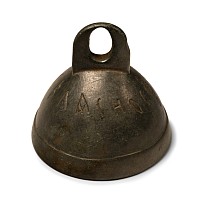
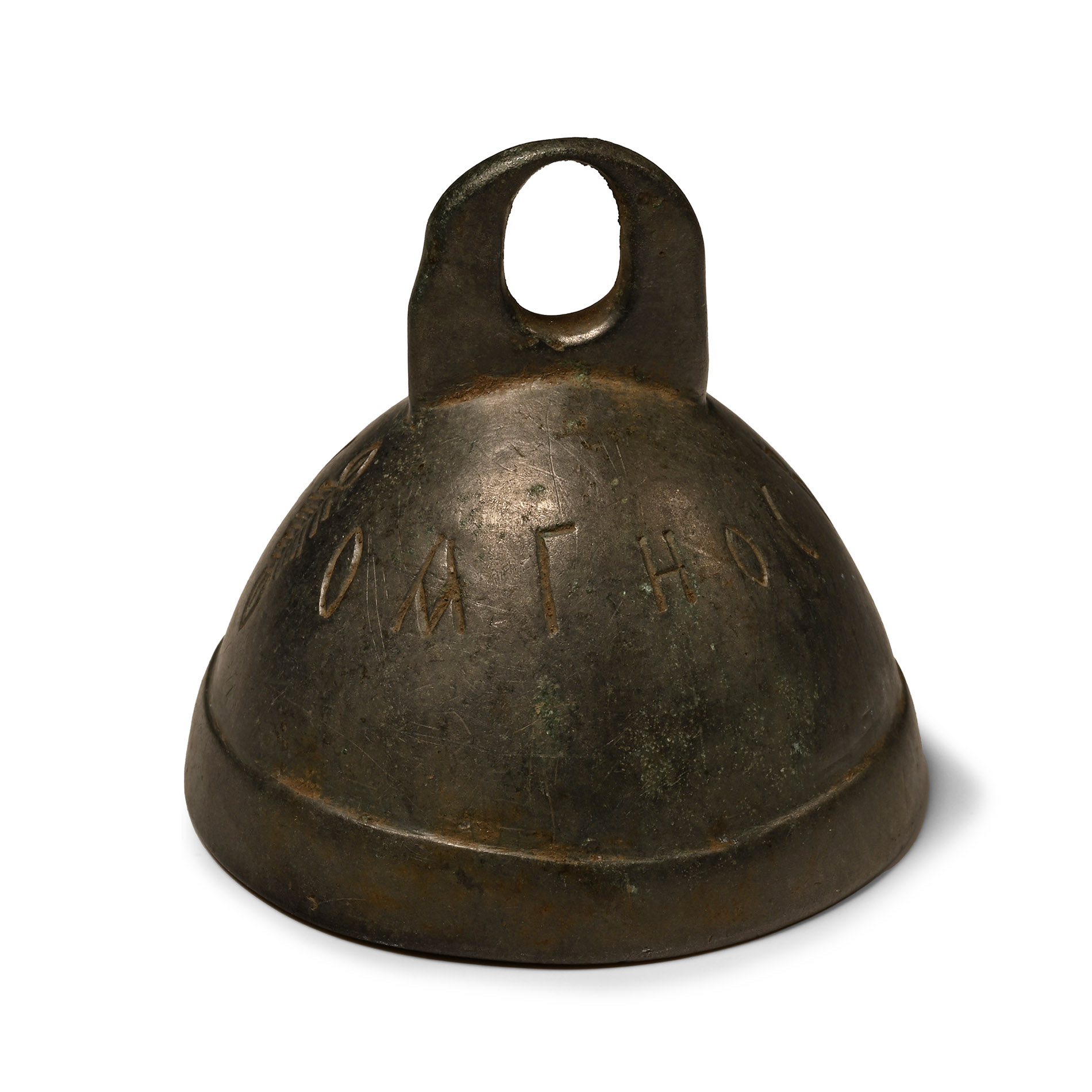
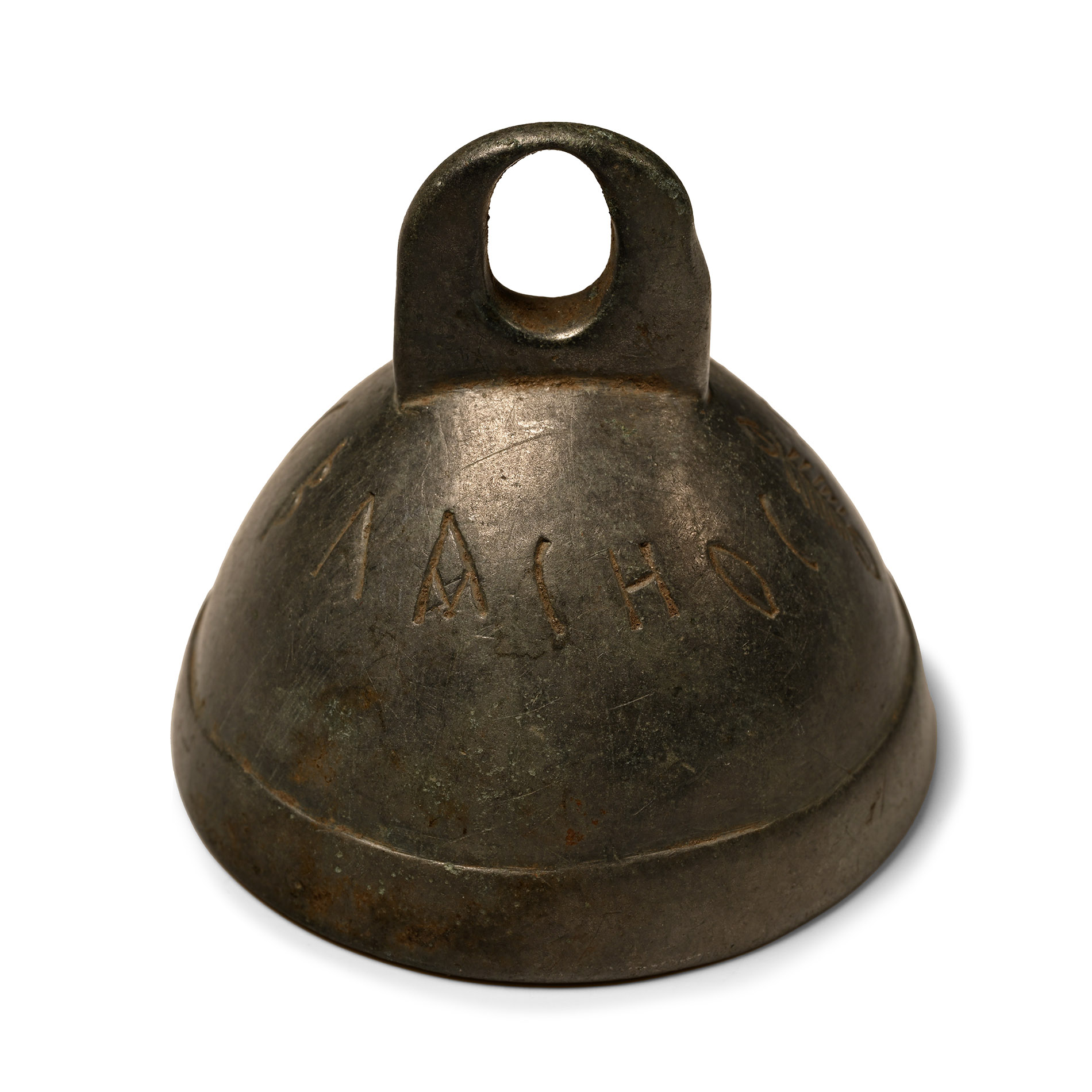
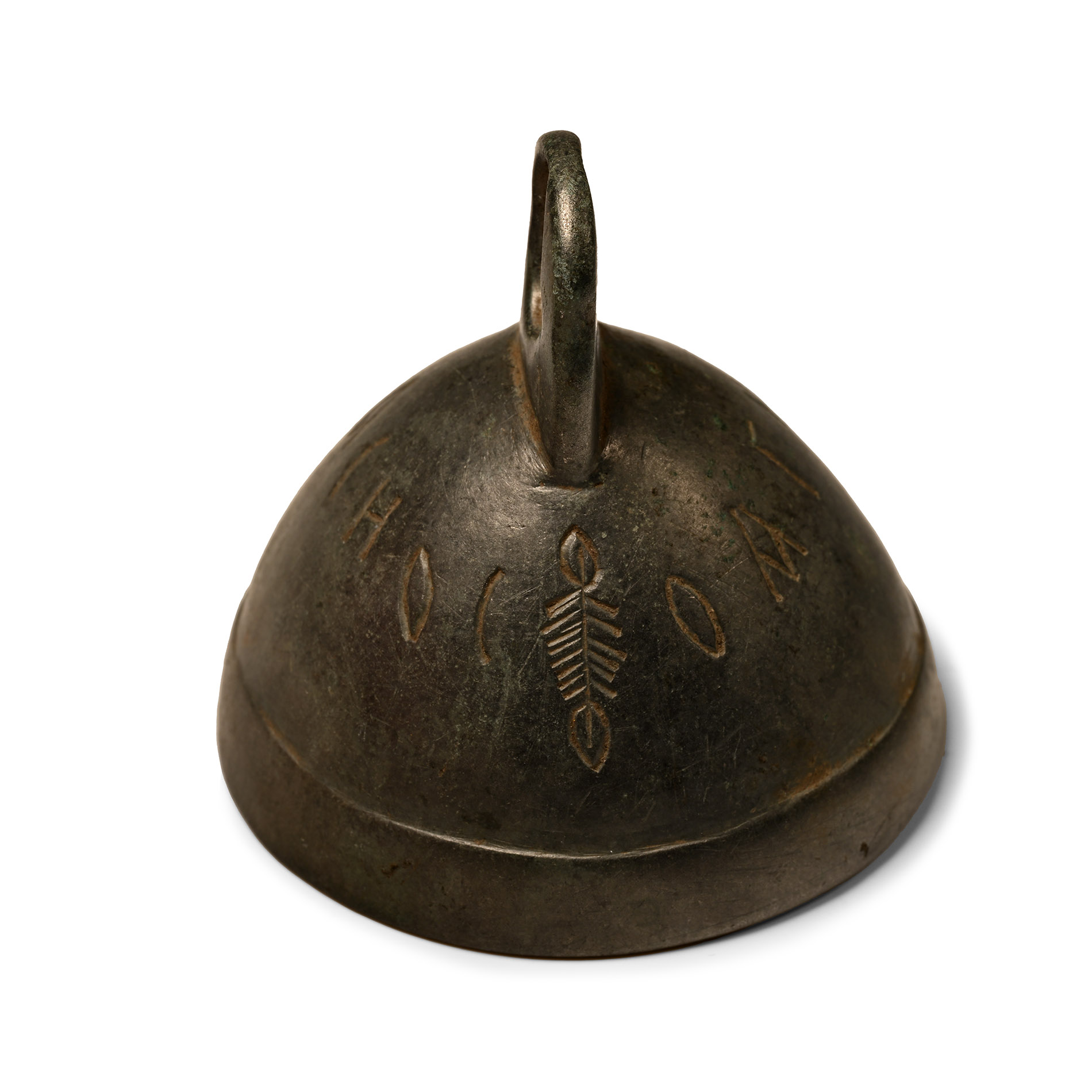
Byzantine Inscribed Bronze Bell for St Blaise
8TH-10TH CENTURY A.D.
1 3/4 in. (35.6 grams, 46 mm).
Domed high-tin bronze with pierced lug suspension and thickened rim; incised Greek inscription to the shoulder 'ΟΑΓΗΟCΒΛΑCHOC' (Hagios Blasios). [No Reserve]
ProvenanceAcquired in the 1980s.
From the collection of a London antiquarian.
The name is normally anglicised as 'St Blaise', an early bishop who was martyred in 316 AD in Sebaste, Armenia.
CONDITIONTimeLine Auctions follows a vetting process to ensure the authenticity and legality of all items, reinforcing our commitment to integrity and responsible trading. Each antiquity, antique, and coin lot undergoes thorough examination by a vetting committee of at least ten external specialists, professional trade association members, scientists, and archaeologists: Our Vetting Process
AUCTIONS:
TimeLine is a leading auction house specialising in antiquities, ancient art, collectables, natural history, coins, medals, and books. Our auctions offer museums, collectors, historians, and enthusiasts the opportunity to acquire unique and historically significant pieces.
-
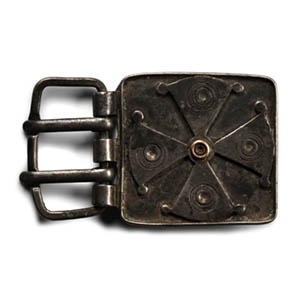
Byzantine Silver Buckle with Cross
5th-7th century A.D.Sold for (Inc. bp): £416
Double-tongue type with rectangular loop, square plate with applied cross pommée and central gold cell; slider to the reverse. 15.2 grams, 52 mm
From the private collection of Mr K.A., acquired in the 1990s-early 2000s. -
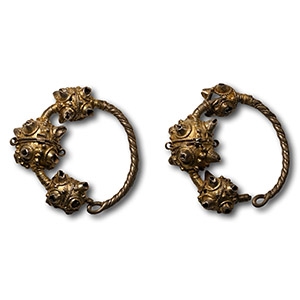
Byzantine Silver-Gilt Temple Ring Pair
9th-12th century A.D.Sold for (Inc. bp): £195
Hollow-formed with applied filigree collars to shank and base of horns, bulbs with horns and granule clusters; one bulb detached. 19.5 grams total, 48-49 mm
Acquired in the 1980s. From the collection of a London antiquarian. -
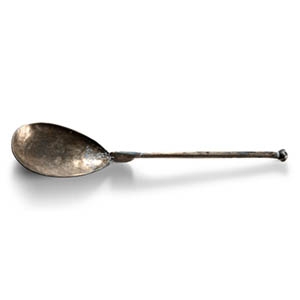
Byzantine Swan-Necked Silver Spoon
5th-7th century A.D.Sold for (Inc. bp): £598
Shallow piriform bowl attached to a stepped baluster, square-section handle with knop finial. 39 grams, 18.1 cm
Ex London, UK, gallery, 1971-early 2000s. London, UK, collection.
