
Loading, please wait...
LOT 1037
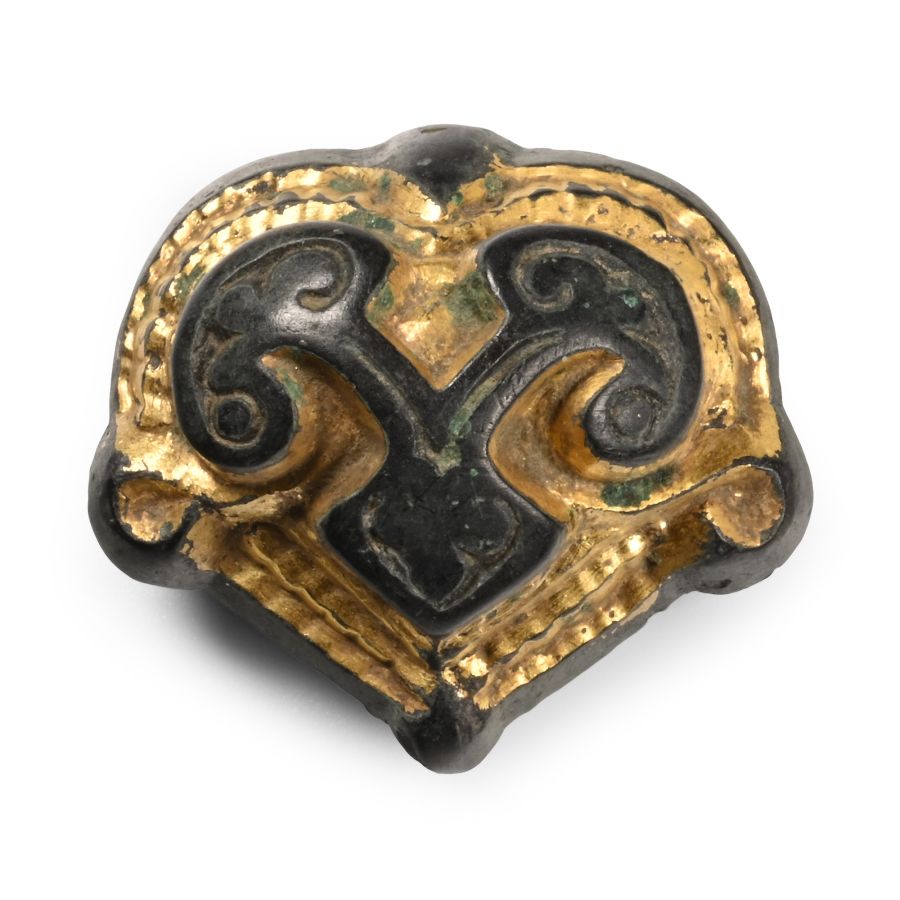
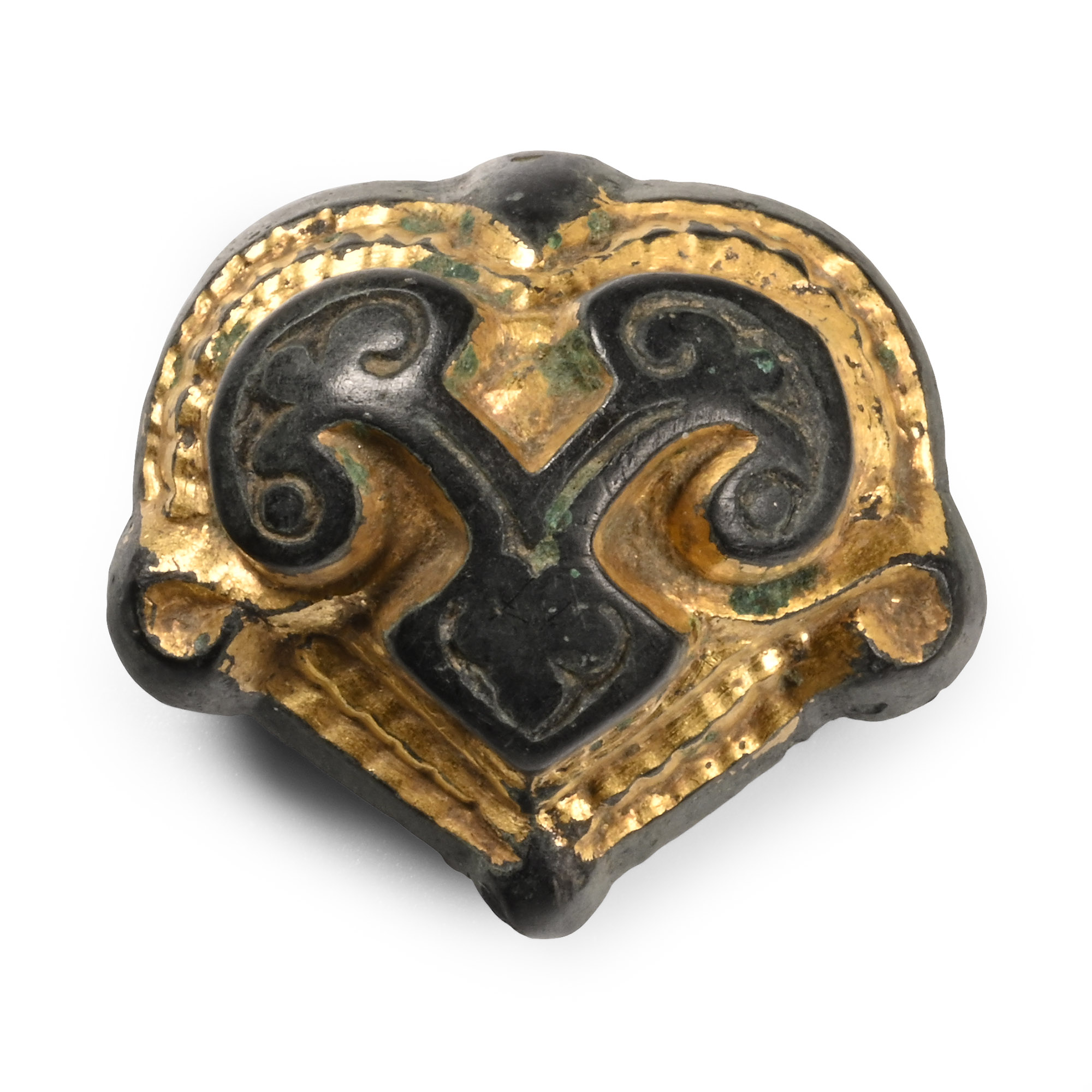
Byzantine Gilt Bronze Mount
10TH-11TH CENTURY A.D.
1 in. (10 grams, 26 mm).
Domed pelta-shaped mount with parcel-gilt obverse, reserved scrolled motif; fixing lugs to reverse. [No Reserve]
ProvenanceEx German art market, 2000s.
Acquired from an EU collector living in London.
From the collection of Surrey, UK, gentleman.
This lot is accompanied by an illustrated lot declaration signed by the Head of the Antiquities Department, Dr Raffaele D’Amato.
TimeLine Auctions follows a vetting process to ensure the authenticity and legality of all items, reinforcing our commitment to integrity and responsible trading. Each antiquity, antique, and coin lot undergoes thorough examination by a vetting committee of at least ten external specialists, professional trade association members, scientists, and archaeologists: Our Vetting Process
AUCTIONS:
TimeLine is a leading auction house specialising in antiquities, ancient art, collectables, natural history, coins, medals, and books. Our auctions offer museums, collectors, historians, and enthusiasts the opportunity to acquire unique and historically significant pieces.
-
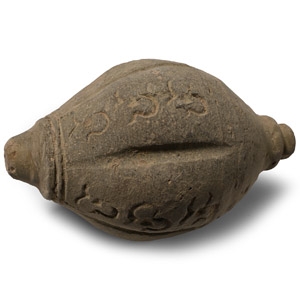
Byzantine 'Greek Fire' Ceramic Fire Bomb or Hand Grenade
9th-11th century A.D.Sold for (Inc. bp): £182
A hollow piriform missile with domed filler-hole, body divided into five sections with deep grooves, impressed decoration, intended to be filled with explosive liquid and a wick, and used as a hand grenade. 505 grams, 14.5 cm
From an important specialist collection, London, UK, 1990s onwards. Accompanied by an academic paper by military specialist Dr Raffaele D'Amato, dated 15 July 2019 and titled 'Eastern Roman Empire - Greek Fire Bomb or Hand Grenade (μεσαίον kακάβιον) 9th-11th century AD'. This lot is accompanied by an illustrated lot declaration signed by the Head of the Antiquities Department, Dr Raffaele D’Amato. -
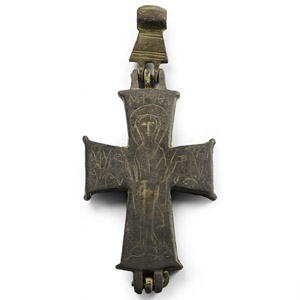
Byzantine Bronze Reliquary Cross Pendant
Circa 10th-12th century A.D.Sold for (Inc. bp): £286
Formed from two hinged plates with a recess to the inner face of each, cast suspension loop to the upper hinge; obverse with four incised equal-arm crosses and 'MIXAHΛ' (Michael) legend; reverse with low-relief image of nimbate Mary in orans pose. 56.8 grams, 10.1 cm
Ex German art market, 2000s. Acquired from an EU collector living in London. From the collection of Surrey, UK, gentleman. This lot is accompanied by an illustrated lot declaration signed by the Head of the Antiquities Department, Dr Raffaele D’Amato. -
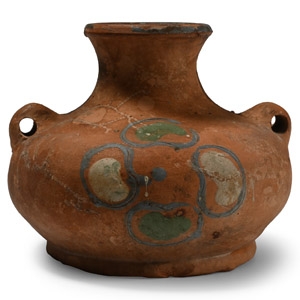
Byzantine Terracotta Handled Vessel
Circa 8th-10th century A.D.Sold for (Inc. bp): £143
Squat jar with broad discoid foot, trumpet-shaped neck and mouth, small lateral loop handles to the shoulders. 173 grams, 87 mm
From the private collection of Kenneth Machin (1936-2020), Buckinghamshire, UK; his collection of antiquities and natural history was formed since 1948; thence by descent. This lot is accompanied by an illustrated lot declaration signed by the Head of the Antiquities Department, Dr Raffaele D’Amato.
