
Loading, please wait...
LOT 0753
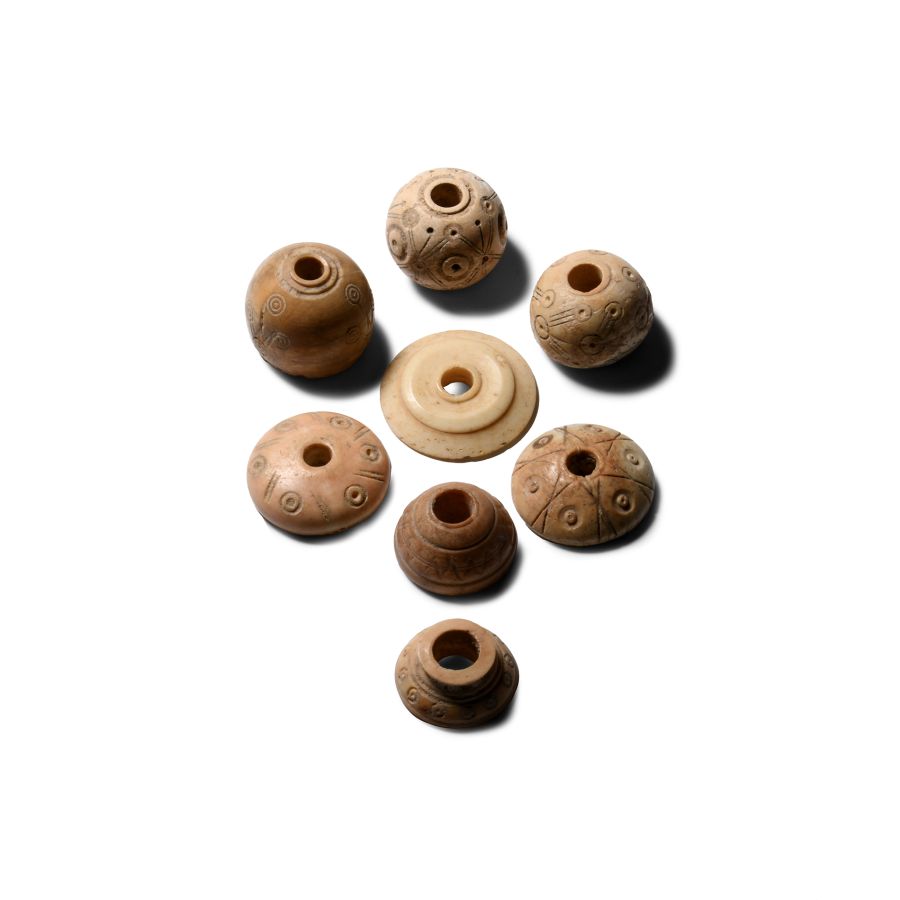
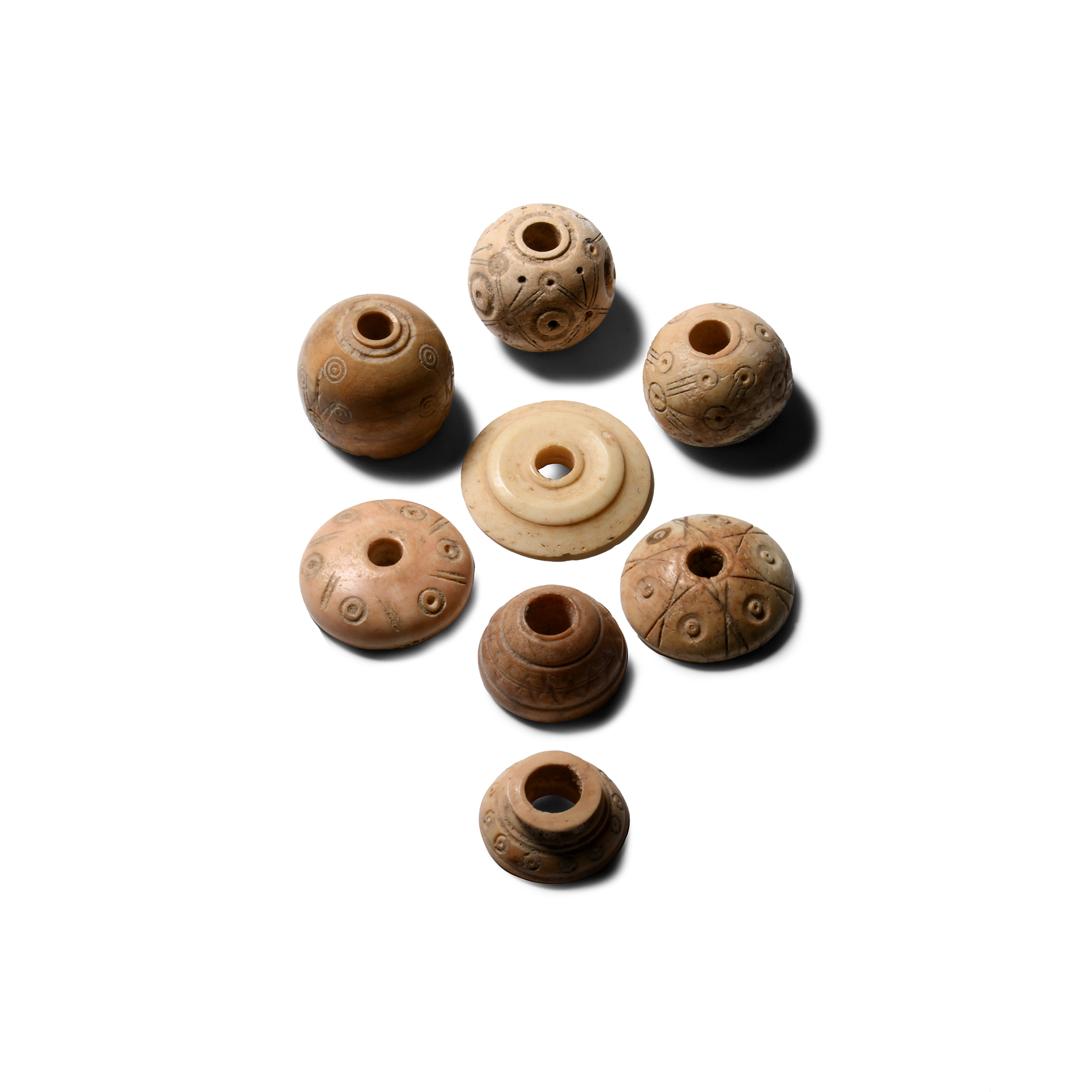
Byzantine Decorated Bone Spindle Whorl Collection
CIRCA 6TH-10TH CENTURY A.D.
5/8 - 7/8 in. (30 grams total, 17-23 mm).
Comprising two beehive-shaped, one oblate, two sub-conical, and three domed whorls; all but one with carved ring-and-dot and line motifs. [8, No Reserve]
ProvenanceUK private collection.
Acquired from Redhouse Antiques Centre, York, 2009.
Property of a Nottinghamshire gentleman.
TimeLine Auctions follows a vetting process to ensure the authenticity and legality of all items, reinforcing our commitment to integrity and responsible trading. Each antiquity, antique, and coin lot undergoes thorough examination by a vetting committee of at least ten external specialists, professional trade association members, scientists, and archaeologists: Our Vetting Process
AUCTIONS:
TimeLine is a leading auction house specialising in antiquities, ancient art, collectables, natural history, coins, medals, and books. Our auctions offer museums, collectors, historians, and enthusiasts the opportunity to acquire unique and historically significant pieces.
-
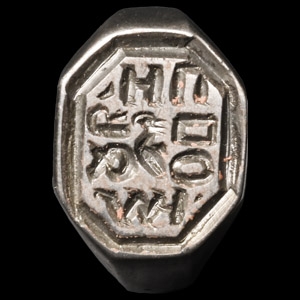
Late Byzantine Tinned Bronze Signet Ring with Inscription and Dove in Centre
Circa 14th-15th century A.D.Sold for (Inc. bp): £143
With facetted shoulders, octagonal bezel with incuse border, central dove motif and surrounding Greek legend 'ΗΠΔΟΗΜαΡ'. 10.05 grams, 23.91 mm overall, 19.86 mm internal diameter (approximate size British T, USA 9 1/2, Europe 21.26, Japan 20)
Private collection formed since the 1940s. UK art market. Property of an Essex gentleman. -
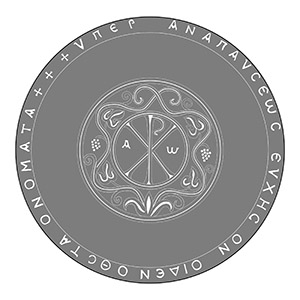
Byzantine Silver Offering Dish with Chi Rho and Inscription
Circa 11th-12th century A.D.Estimate: £25,000 - 35,000 (+bp*)
Opening Bid: £12,500
With rounded underside and flange rim; tondo with incised symmetrical vinescroll with bunches of grapes enclosing central disc with niello-filled Chi Rho flanked by alpha and omega; legend to the rim in capitals: '+++ ΥΠΕΡ ΑΝΑΠΑΥϹΕΩϹ ΕΥΧΗϹ ΟΝ ΟΙΔΕΝ ΟΘϹ ΤΑ ΟΝΟΜΑΤΑ' (For the eternal rest of him who had knowledge in the name of the Lord). 395 grams, 23.5 cm wide
From a European family collection formed in the 1990s; thence by descent to a UK gentleman. Accompanied by an academic report of Dr. Raffaele D’Amato This lot has been checked against the Interpol Database of stolen works of art and is accompanied by search certificate no.11963-210867.
The decorative apparatus of this plate could be associated with Eastern Roman art of the 11-12th century A.D., although we cannot exclude an earlier dating. -
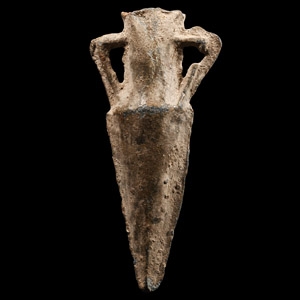
Byzantine Lead Pilgrim's Holy Water Ampulla
Circa 8th-13th century A.D.Sold for (Inc. bp): £39
Conical with tubular neck and two thin lateral handles. 21.2 grams, 55 mm
Acquired on the UK art market in the 1990s. Property of a Stowmarket, UK, gentleman.
