
Loading, please wait...
LOT 1328
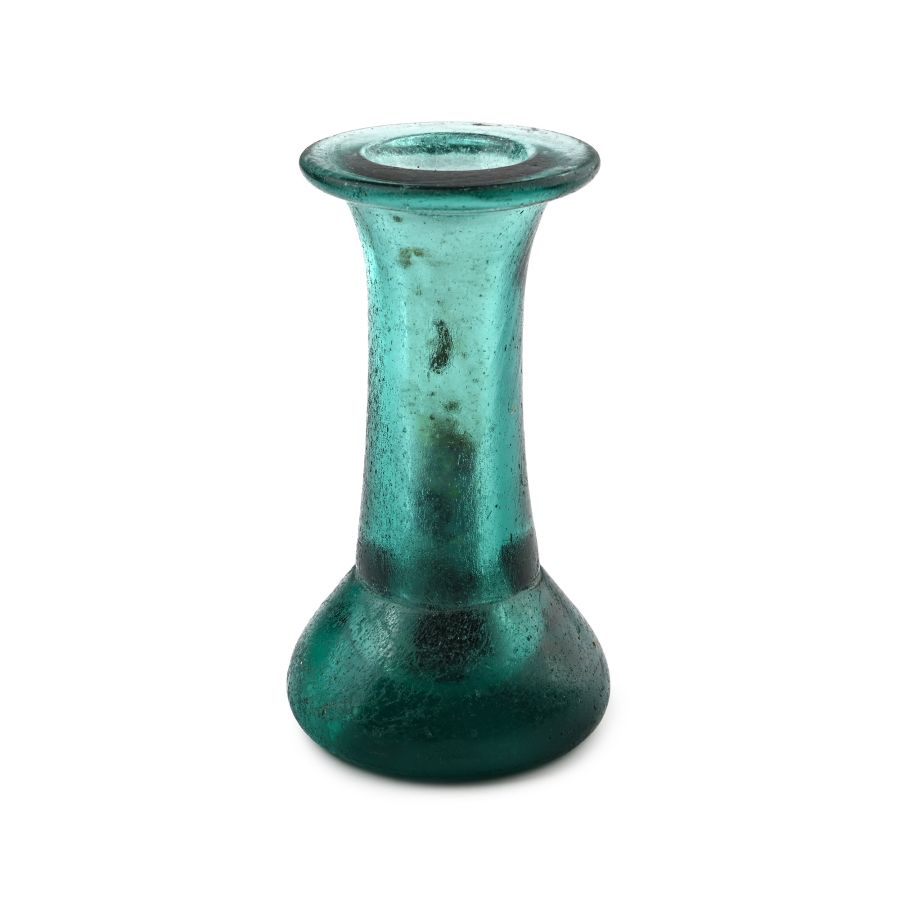
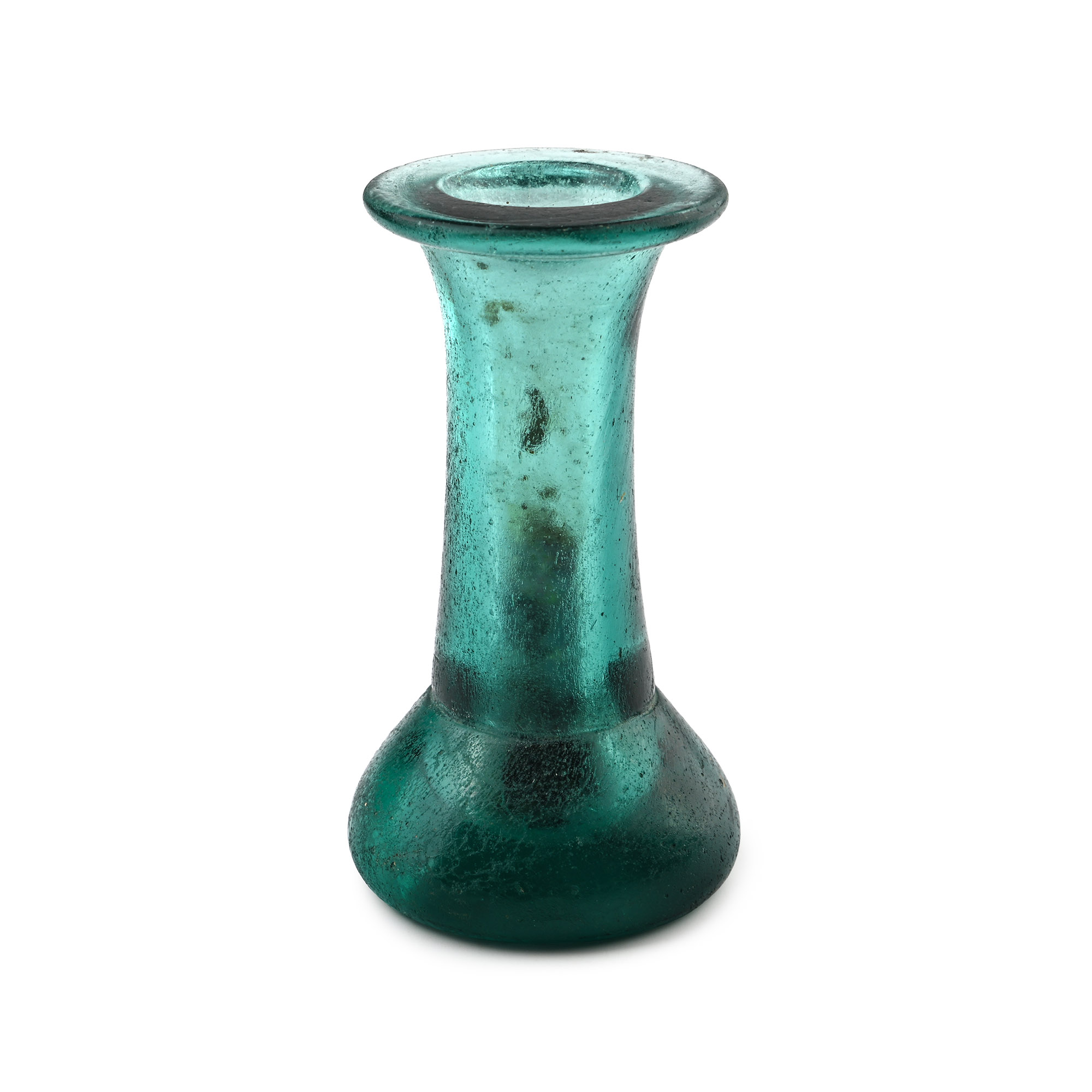
Byzantine Dark Green Glass Cotton Reel Unguentarium
5TH-6TH CENTURY A.D.
3 in. (100 grams, 77 mm).
Squat in profile with flared body and broad base, flared mouth with rolled rim.
ProvenanceFrom a specialist collection of glass, acquired from dealerships during the 1990s.
LiteratureCf. Whitehouse, D., Roman Glass in the Corning Museum of Glass, vol.1, New York, 1997, item 268, for type.
CONDITIONTimeLine Auctions follows a vetting process to ensure the authenticity and legality of all items, reinforcing our commitment to integrity and responsible trading. Each antiquity, antique, and coin lot undergoes thorough examination by a vetting committee of at least ten external specialists, professional trade association members, scientists, and archaeologists: Our Vetting Process
AUCTIONS:
TimeLine is a leading auction house specialising in antiquities, ancient art, collectables, natural history, coins, medals, and books. Our auctions offer museums, collectors, historians, and enthusiasts the opportunity to acquire unique and historically significant pieces.
-
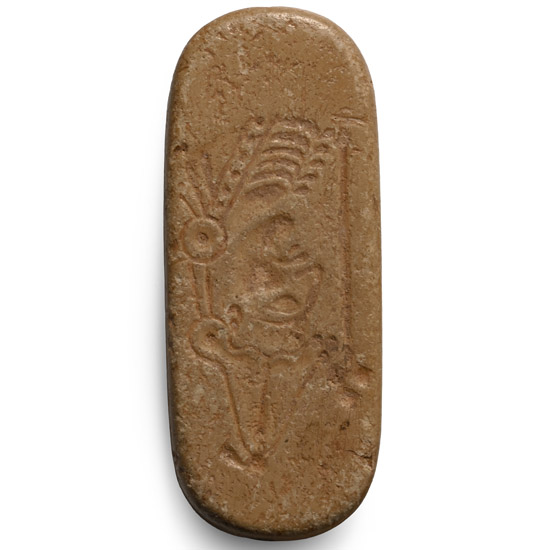
Byzantine Inscribed Bone Plaque
Circa 6th-10th century AD.Estimate: £100 - 140 (+bp*)
Opening Bid: £50
Obverse with low-relief bust wearing conical headgear, with trefoil sceptre and hatched robe; reverse with legend 'ΚΕΒΟΗΙΤΟ' ('T' inverted). 3.12 grams, 38 mm
Ex Essex gentleman's collection, 2000s. -
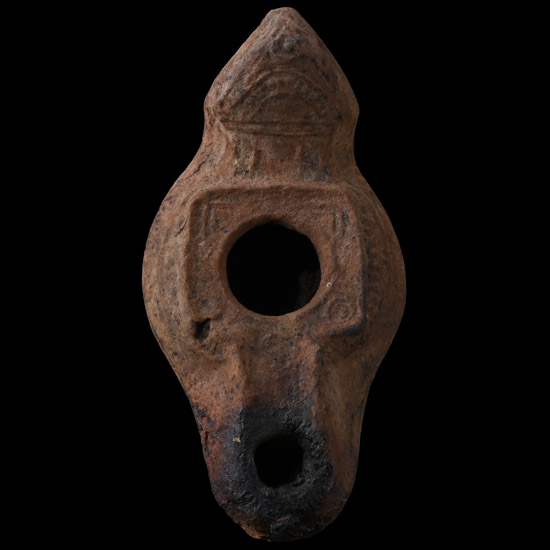
Byzantine Period Terracotta Oil Lamp with Triangular Handle
Circa 5th-7th century A.D.Sold for (Inc. bp): £59
Circular body with a wide nozzle, filler hole with a raised square border with a band of pellets below, a wide triangular handle at the rear with three raised vertical bands behind, and a low basal ring. 93.6 grams, 10.1 cm
From the collection of a Yorkshire, UK gentleman, items collected in the Holy Land in the 1960s. -
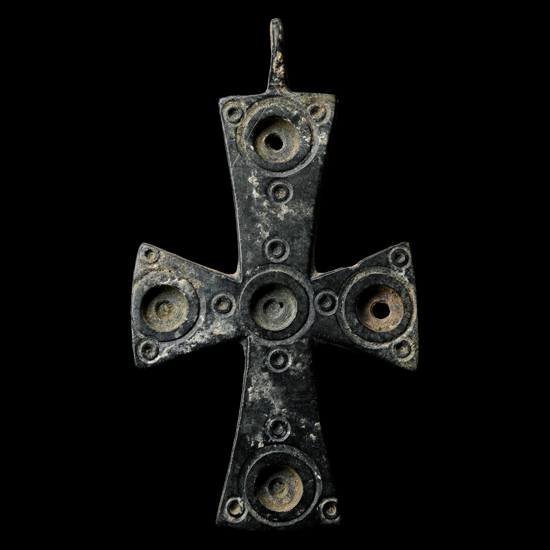
Byzantine Bronze Pectoral Cross Pendant
Circa 10th-12th century A.D.Sold for (Inc. bp): £195
An expanding arm cross with five circular cells flanked by ring-and-dot motifs, likely representing the five wounds of Christ; the reverse with a large annulate surrounded by four ring-and-dot motifs. 40 grams, 89 mm
Acquired on the UK art market from the 1990s. From the private collection of a Lincolnshire, UK, gentleman.
