
Loading, please wait...
LOT 1077
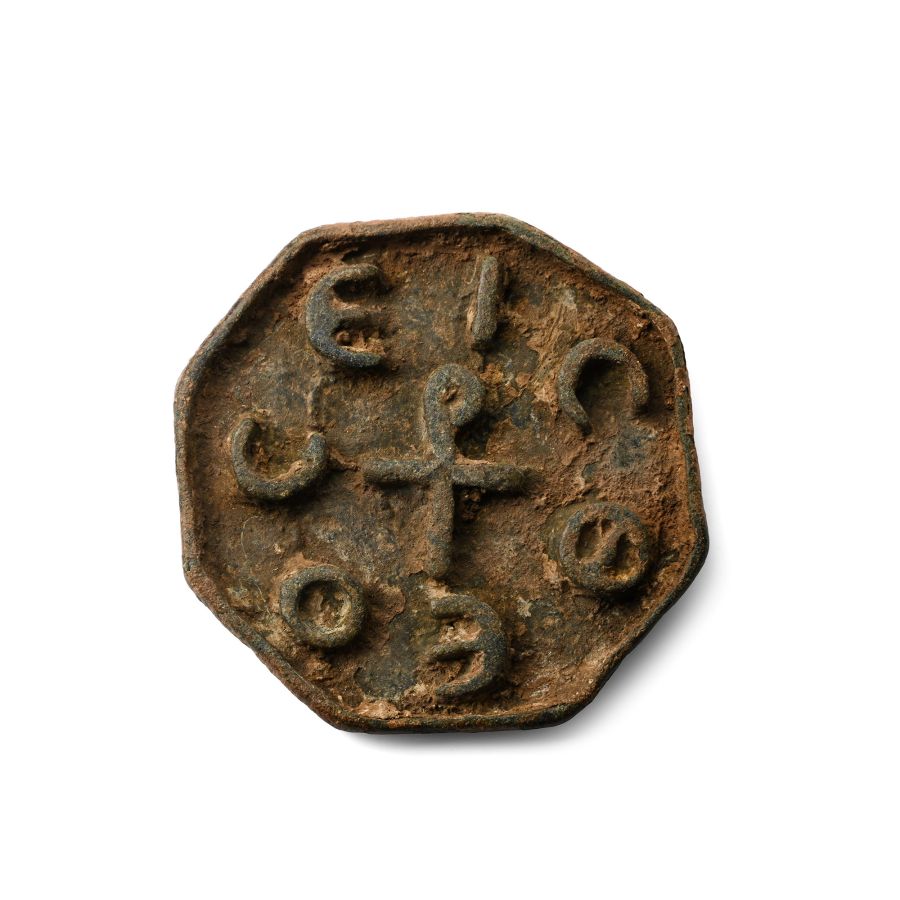
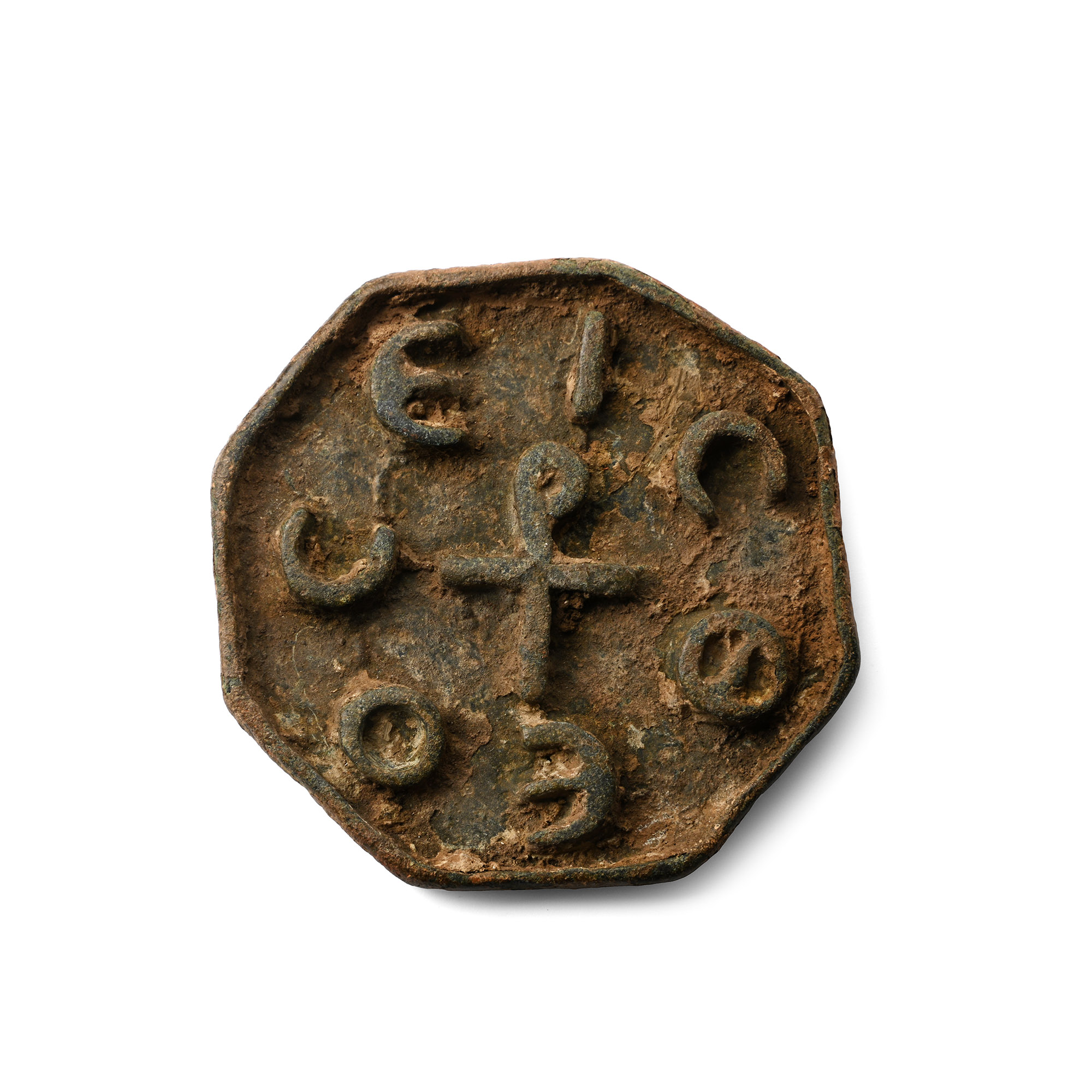
Byzantine Bronze Seal with Cross
6TH CENTURY A.D.
1 3/8 - 2 1/2 in. (114 grams total, 35-66 mm).
Octagonal in plan with raise rim and loop handle to reverse (detached); reserved Christogram to centre surrounded by legend 'ЄIC ΘЄΟC' ([there is] one god). [2]
ProvenanceEx private European collection, 1980s.
Private collection, Switzerland, acquired in 2000.
This lot is accompanied by an illustrated lot declaration signed by the Head of the Antiquities Department, Dr Raffaele D'Amato.
TimeLine Auctions follows a vetting process to ensure the authenticity and legality of all items, reinforcing our commitment to integrity and responsible trading. Each antiquity, antique, and coin lot undergoes thorough examination by a vetting committee of at least ten external specialists, professional trade association members, scientists, and archaeologists: Our Vetting Process
AUCTIONS:
TimeLine is a leading auction house specialising in antiquities, ancient art, collectables, natural history, coins, medals, and books. Our auctions offer museums, collectors, historians, and enthusiasts the opportunity to acquire unique and historically significant pieces.
-
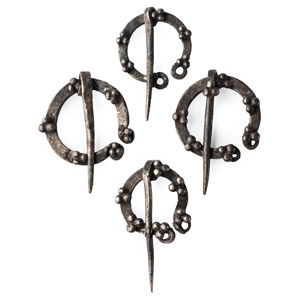
Byzantine Silver Brooch Collection
7th-11th century A.D.Sold for (Inc. bp): £221
Comprising four flat-section penannular brooches with looped terminals, applied pellets to the upper face; with round-section tapering pins. 18.7 grams total, 34-37 mm
UK private collection before 2000. Acquired on the UK art market. Private collection, London, UK. This lot is accompanied by an illustrated lot declaration signed by the Head of the Antiquities Department, Dr Raffaele D'Amato. -
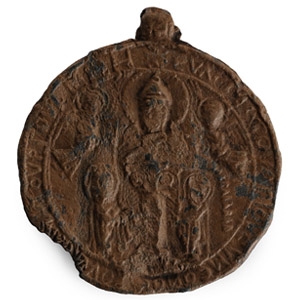
Byzantine Lead Pendant with Simeon Stylites
12th century A.D.Estimate: £250 - 350 (‡+bp*)
Opening Bid: £139
Discoid with integral loop, tondo with figural scene of Simeon Stylites standing on his column, two worshippers at the base and two angels above; legend to the rim. 22 grams, 48 mm
Acquired in the mid 1980s-1990s. Private collection, Switzerland, thence by descent. Private collection, since the late 1990s. This lot is accompanied by an illustrated lot declaration signed by the Head of the Antiquities Department, Dr Raffaele D’Amato. This lot is accompanied by an illustrated lot declaration signed by the Head of the Antiquities Department, Dr Raffaele D'Amato. -
.jpg)
Byzantine Bronze Punch with Menorah and Hebrew Inscription
Circa 5th-6th century A.D.Estimate: £1,000 - 1,400 (+bp*)
Opening Bid: £500
Columnar stem with conical base extending to a square-section shank. 18.8 grams, 31 mm
From the collection of a gentleman, acquired on the London art market in the 1990s. This lot is accompanied by an illustrated lot declaration signed by the Head of the Antiquities Department, Dr Raffaele D'Amato.
Stamping in antiquity and in the Roman Empire was under strict regulations, and it was not limited to food and liquid containers. Bricks and tiles used in construction were impressed with the names of magistrates, workshops, estate owners from whom the material came, and the names of individual makers. Among the myriad Late Roman stamps, a great number were to mark bread or containers holding flour and other foods, as well as a variety of liquids such as wine, oil, fish and fruits preserved in sauces, medical ointments, even water. It is interesting to note as the Jewish symbols here engraved are very stylised: as mentioned by various scholars, the Jewish representations of shofar and lulav on this category of stamps degenerated in quality in Late Antiquity and this is way there are variously dated between the 4th and the 7th century.
