
Loading, please wait...
LOT 1342
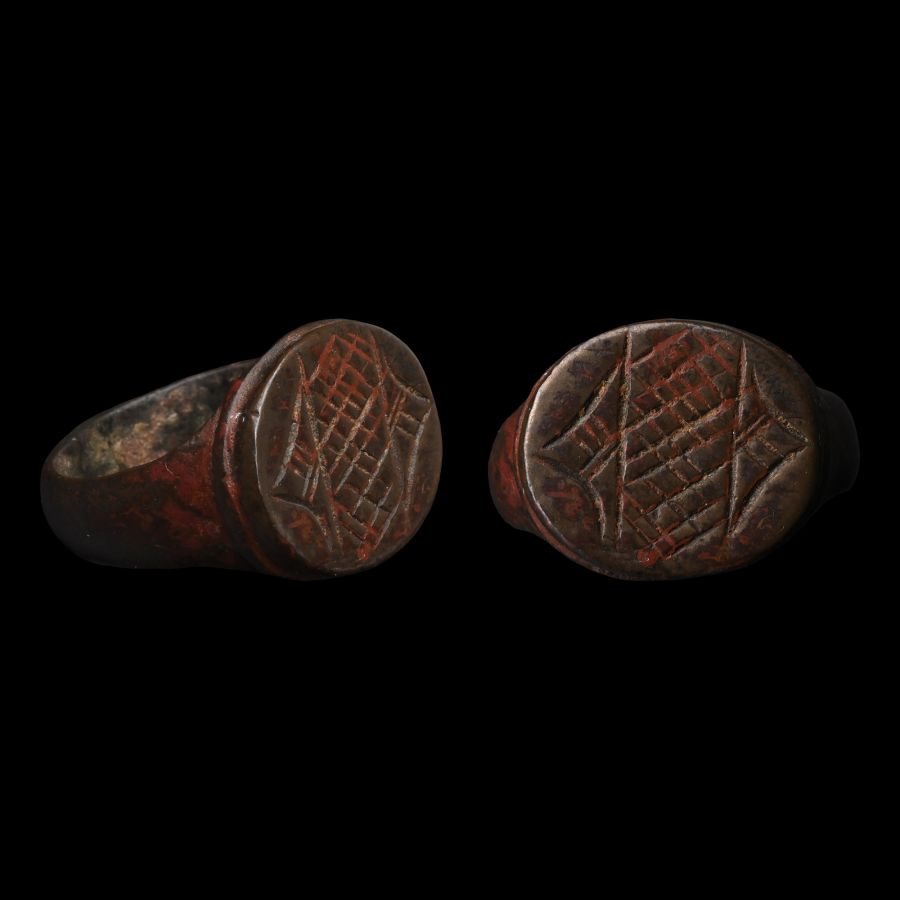
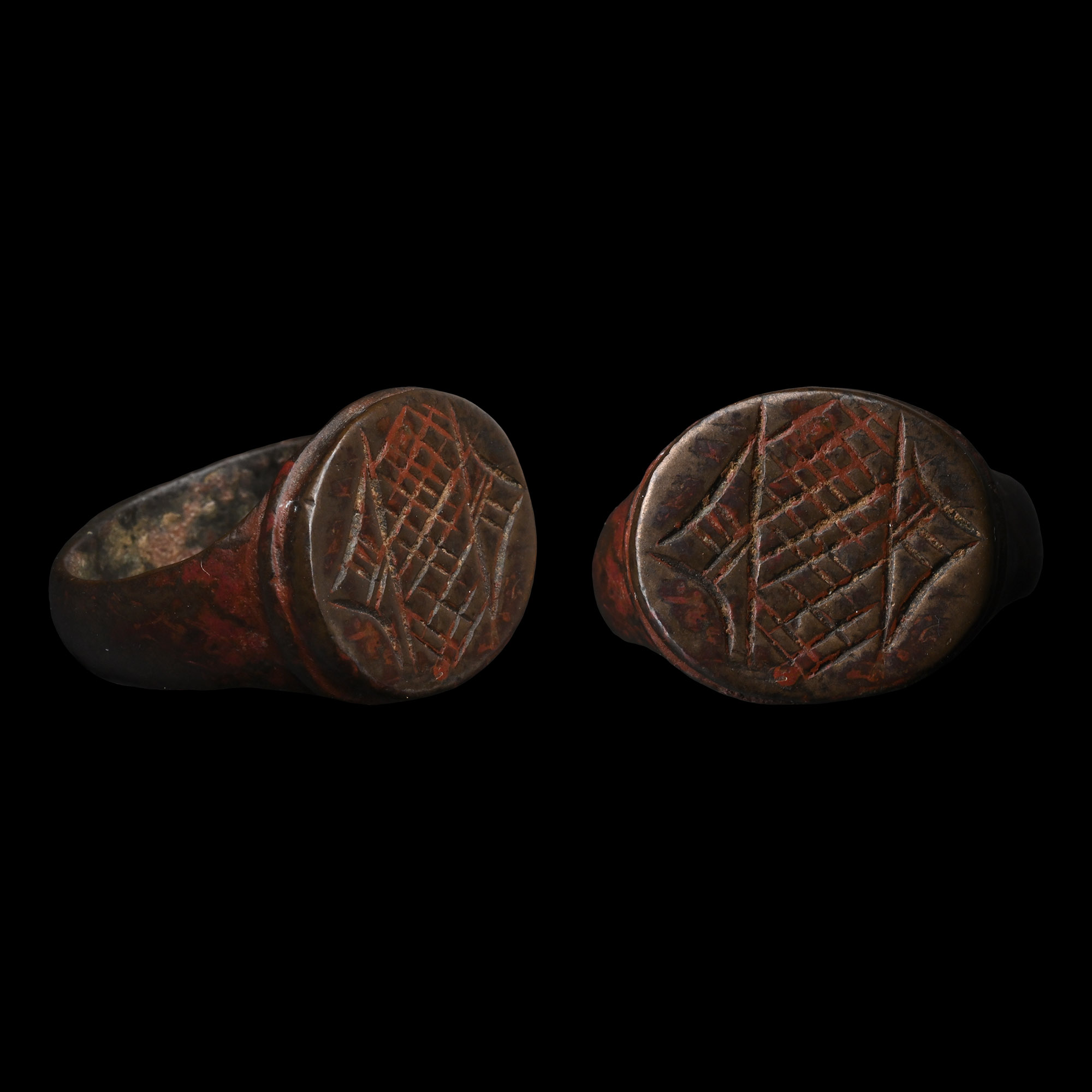
Byzantine Bronze Ring with Hatched Design
12TH-15TH CENTURY A.D.
1 in. (10.88 grams, 23.12 mm overall, 19.20 mm internal diameter (approximate size British Q, USA 8, Europe 17.49, Japan 16)).
D-section hoop with a raised boss at the base, large oval bezel with hatched decoration. [No Reserve]
ProvenanceAcquired Town Hall Antiques, Market Place, Woburn, Bedfordshire, UK, on 5th June 1998.
Property of a West Northamptonshire, UK, gentleman.
Accompanied by the original Town Hall Antiques invoice.
TimeLine Auctions follows a vetting process to ensure the authenticity and legality of all items, reinforcing our commitment to integrity and responsible trading. Each antiquity, antique, and coin lot undergoes thorough examination by a vetting committee of at least ten external specialists, professional trade association members, scientists, and archaeologists: Our Vetting Process
AUCTIONS:
TimeLine is a leading auction house specialising in antiquities, ancient art, collectables, natural history, coins, medals, and books. Our auctions offer museums, collectors, historians, and enthusiasts the opportunity to acquire unique and historically significant pieces.
-
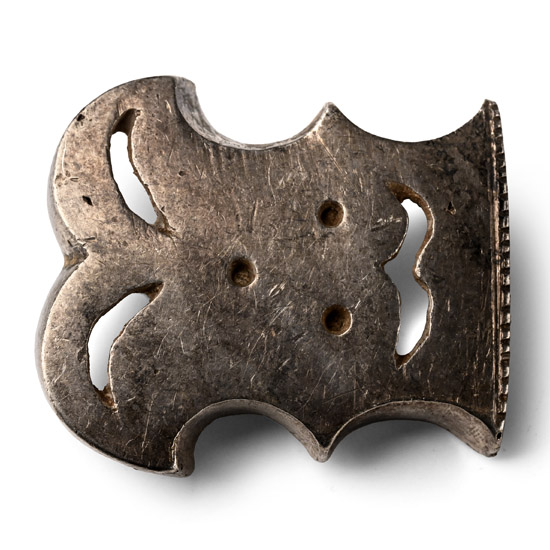
Byzantine Silver Bearded 'Hidden Face' Belt Mount
6th-7th century A.D.Sold for (Inc. bp): £46
Of Martinkova type with lobed outer edge, scooped sides and notched band at the inner edge; openwork circle and crescent motifs. 34.18 grams, 40 mm
Acquired on the UK art market before 2000. Property of an Essex, UK, gentleman. -
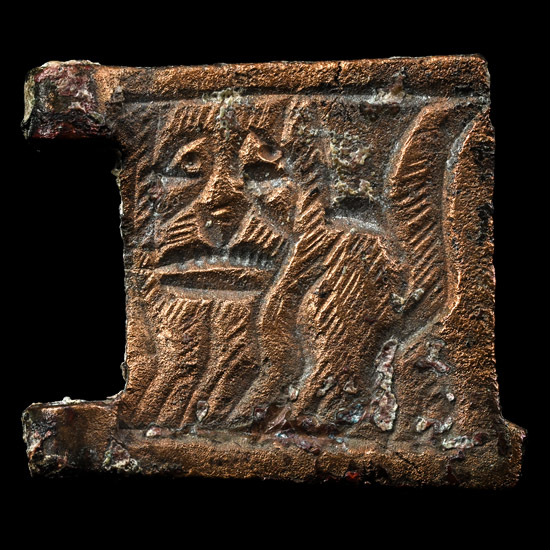
Byzantine Bronze Buckle Plate with Lion of Saint Mark
Circa 10th-12th century A.D.Sold for (Inc. bp): £33
Rectangular plaque with two loops and a low-relief image of a facing lion with emphasised head. 6.2 grams, 30.5 mm
From the private collection of a European gentleman (1942-2024), formed since the 1970s. -
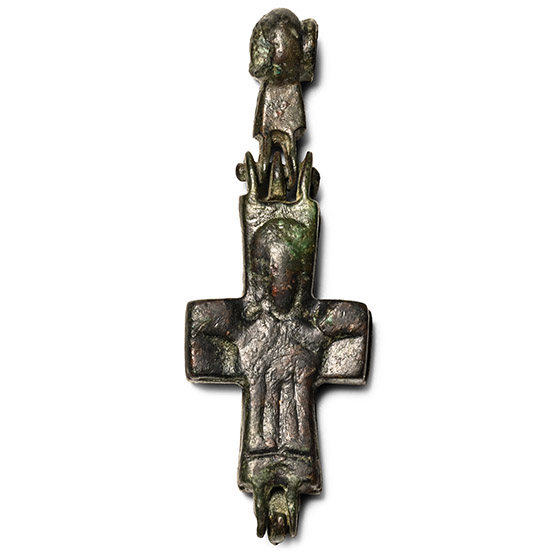
Byzantine Bronze Reliquary Cross Pendant
10th-12th century A.D.Sold for (Inc. bp): £117
Enkolpion with hinged loop, nimbate figure in orans pose to obverse, Corpus Christi to reverse. 11.16 grams, 50 mm
Ex German art market, 2000s. Acquired from an EU collector living in London. From the collection of a Surrey, UK, gentleman.
