
Loading, please wait...
LOT 0391
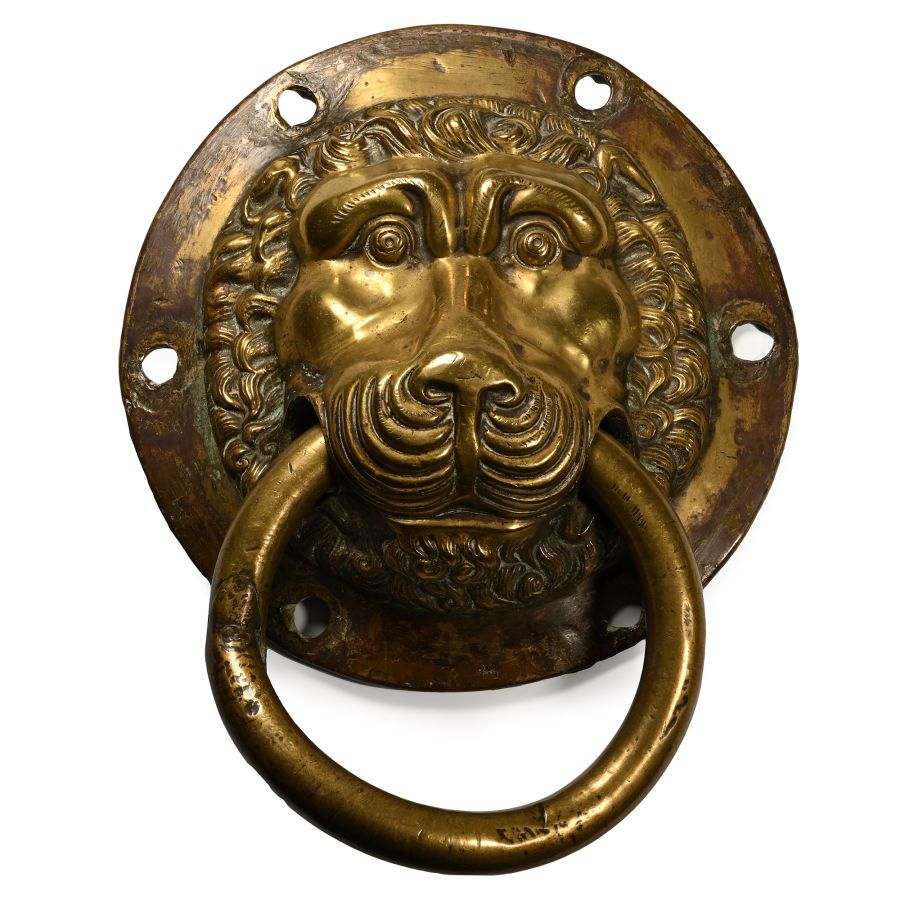
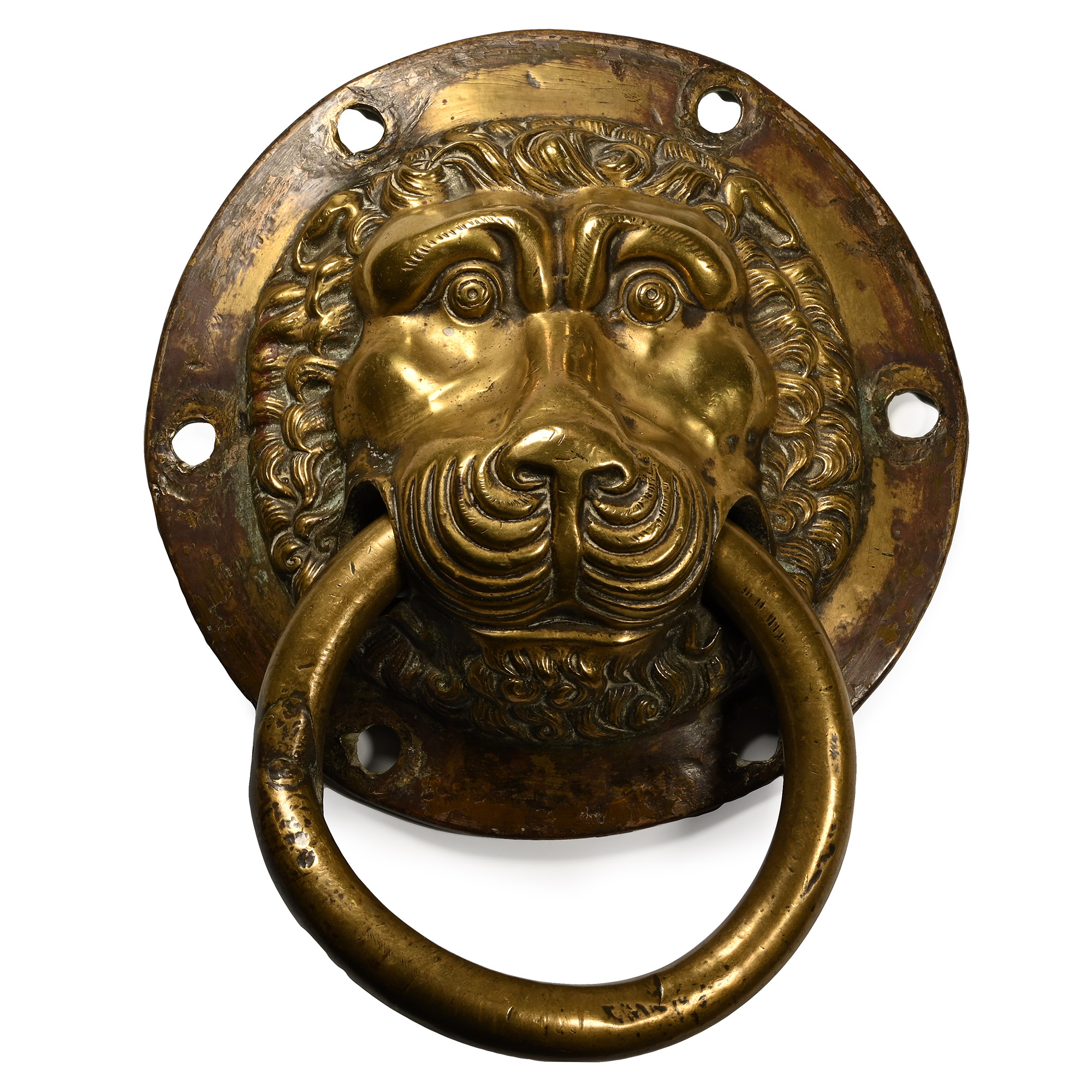
Bronze Knocker Decorated with Lion Mask
GERMANY, 16TH CENTURY A.D.
10 1/2 in. (2.81 kg, 26.8 cm).
Comprising a lion-mask cast in high-relief with retouched detailing to the mane and muzzle, substantial ring in the mouth, flange rim with six holes to accept fixing bolts. [No Reserve]
Provenancewith Herbelin Auction, 3 April 2024, no.110.
This lot has been checked against the Interpol Database of stolen works of art and is accompanied by a search certificate number no.12556-230729.
This lot has been cleared against the Art Loss Register database, and is accompanied by an illustrated lot declaration signed by the Head of the Antiquities Department, Dr Raffaele D’Amato.
TimeLine Auctions follows a vetting process to ensure the authenticity and legality of all items, reinforcing our commitment to integrity and responsible trading. Each antiquity, antique, and coin lot undergoes thorough examination by a vetting committee of at least ten external specialists, professional trade association members, scientists, and archaeologists: Our Vetting Process
AUCTIONS:
TimeLine is a leading auction house specialising in antiquities, ancient art, collectables, natural history, coins, medals, and books. Our auctions offer museums, collectors, historians, and enthusiasts the opportunity to acquire unique and historically significant pieces.
-
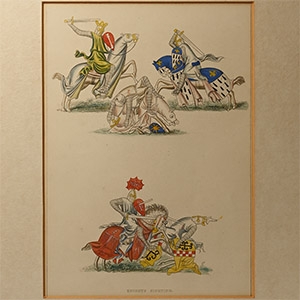
Framed Original Coloured Book Plate with Knights Fighting
Circa 1843 A.D.Sold for (Inc. bp): £7
Leaf from a 19th century book with illustrations of armoured figures attacking each other on horseback, hand-coloured with watercolours; printed 'Knights Fighting' title below; with card reveal and glazed wooden frame. 1.07 kg, 42.5 x 29 cm
Acquired on the UK art market. Property of an Essex, UK, gentleman. This lot is accompanied by an illustrated lot declaration signed by the Head of the Antiquities Department, Dr Raffaele D’Amato. -
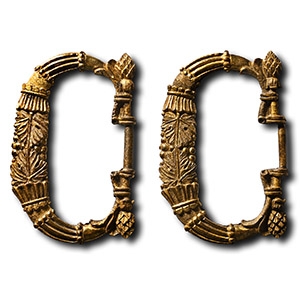
Gilt Bronze Handle Pair
Late 19th-early 20th century A.D.Sold for (Inc. bp): £7
Comprising two matched D-shaped decorative handles formed as opposing cornucopiae with pinecone finials. 70 grams total, 67 mm each
Ex private collection, 1970s. Property of a Nottinghamshire gentleman. This lot is accompanied by an illustrated lot declaration signed by the Head of the Antiquities Department, Dr Raffaele D’Amato. -
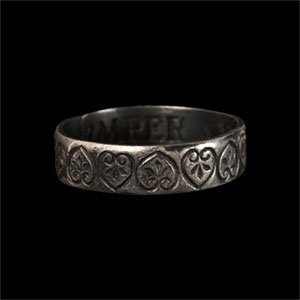
Georgian Silver 'Love Always' Posy Ring Decorated with Hearts
18th century A.D.Sold for (Inc. bp): £338
Comprising a flat-section hoop with stamped foliate hearts to the outer face, the inner face inscribed in Latin 'SEMPER AMEMVS' for 'Love Always'. 2.90 grams, 20.90 mm overall, 18.81 mm internal diameter (approximate size British P 1/2, USA 7 3/4, Europe 16.86, Japan 16)
Ex private collection, 1970s. Property of a Nottinghamshire gentleman. This lot is accompanied by an illustrated lot declaration signed by the Head of the Antiquities Department, Dr Raffaele D’Amato.
