
Loading, please wait...





LOT 0365
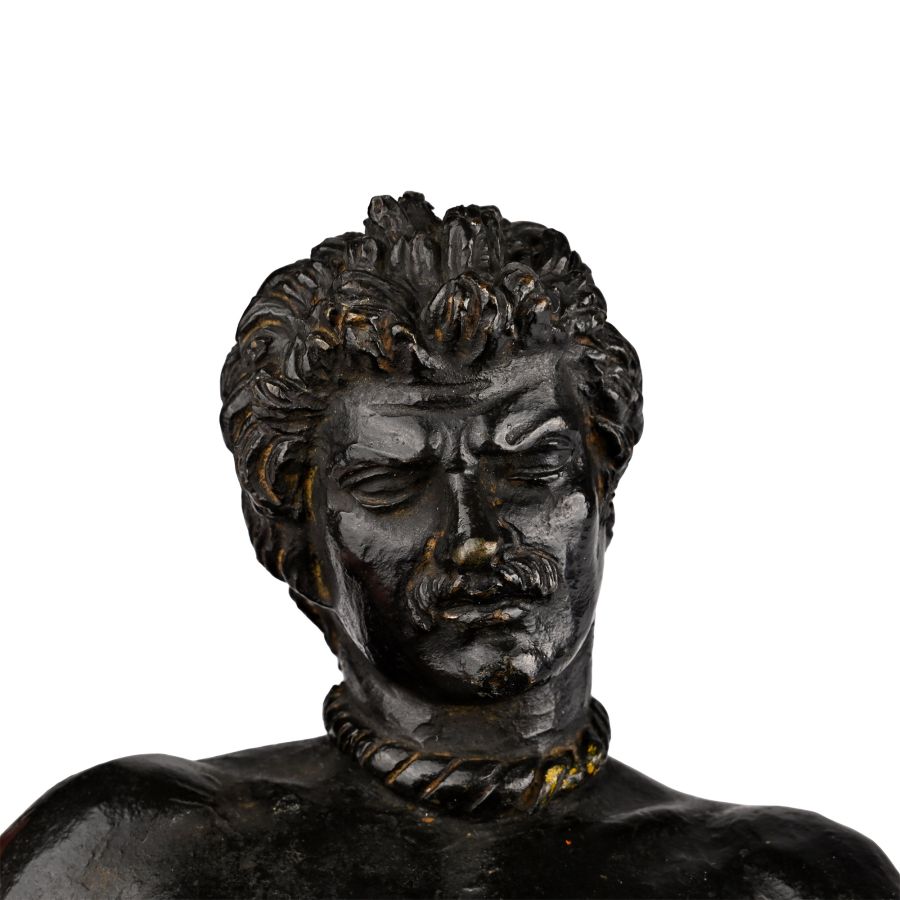
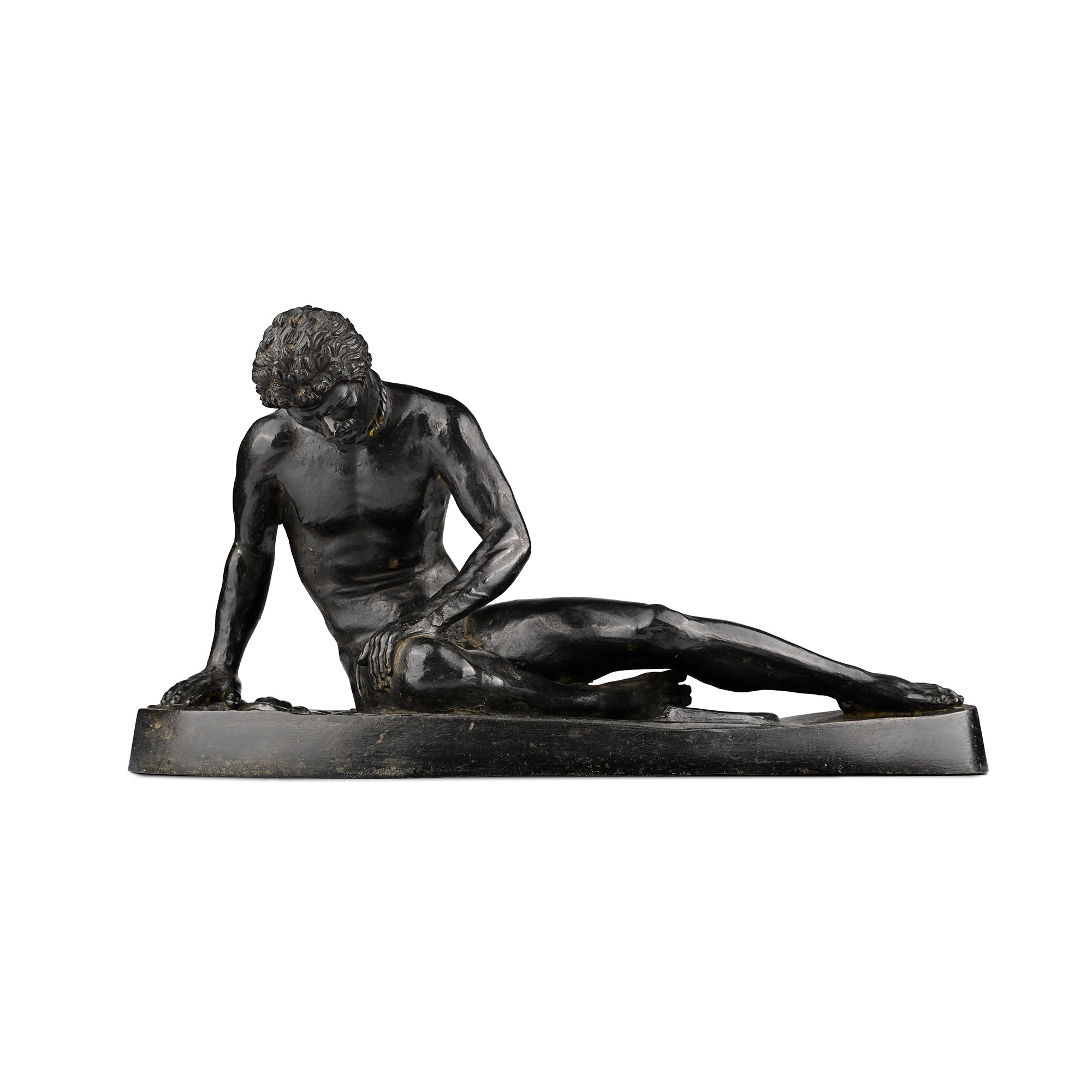
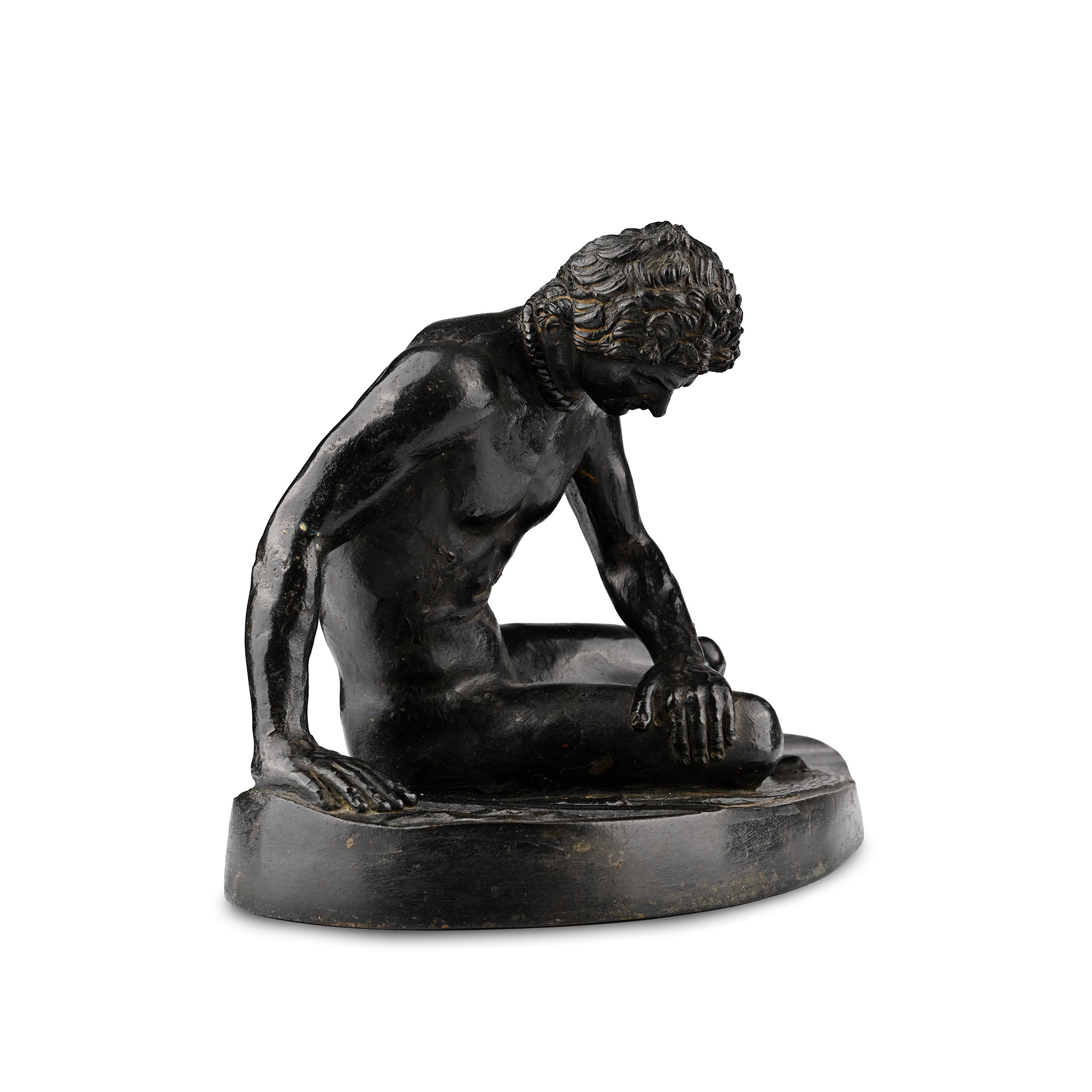
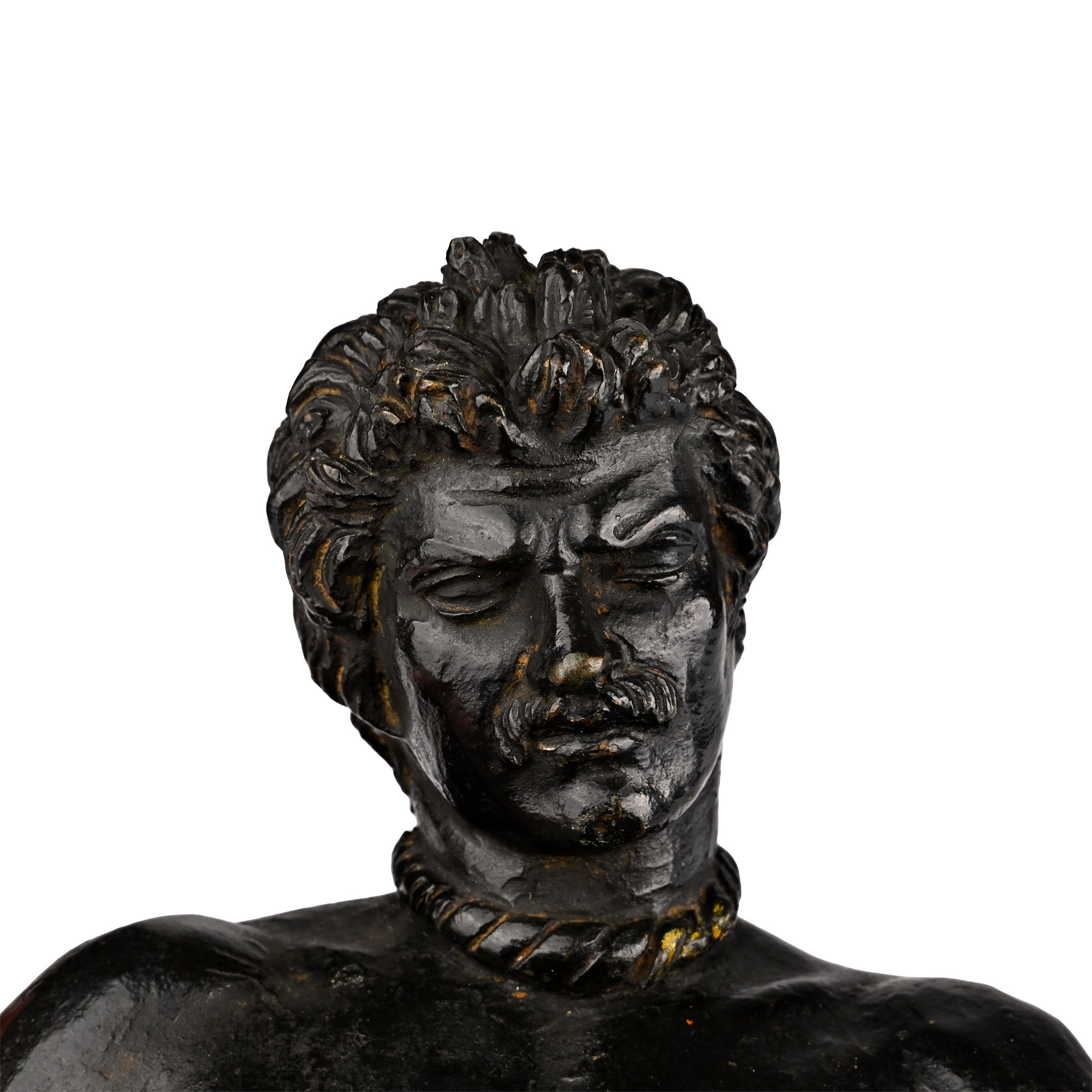
Bronze Grand Tour Statue of 'The Dying Gaul' from the Capitoline Museum
ITALY, CIRCA 1880 A.D.
12 5/8 in. (4 kg, 32 cm).
Copy of a Greek sculpture (now lost) from the Hellenistic period (323-31 BC) thought to have been made in bronze; a young Galatian warrior, wounded in the chest by a sword blow and dying, half-lying with his face turned downwards; with typical features of the idealised Celtic warrior: the high cheekbones, the hairstyle with thick and long locks, and the moustache (mytax); resting on a discarded shield with short sword under his right hand, straps and two tubular war-horns.
ProvenanceFrom the private collection of a S.W. London gentleman, acquired in the 1970s.
This lot is accompanied by an illustrated lot declaration signed by the Head of the Antiquities Department, Dr Raffaele D'Amato.
The Dying Gaul statue was rediscovered in Rome in the early 17th century, specifically in the 1620s, during excavations for the Villa Ludovisi. It was initially part of the Ludovisi collection and later acquired by Pope Clement XII for the Capitoline Museums.
Except for a torque around the neck (a metal necklace typical of Celtic warriors), the figure is completely naked. It is possible to identify the figure tentatively as the ‘Trumpeter of Epigonos’ mentioned by Pliny (Natural History 34.88).
TimeLine Auctions follows a vetting process to ensure the authenticity and legality of all items, reinforcing our commitment to integrity and responsible trading. Each antiquity, antique, and coin lot undergoes thorough examination by a vetting committee of at least ten external specialists, professional trade association members, scientists, and archaeologists: Our Vetting Process
AUCTIONS:
TimeLine is a leading auction house specialising in antiquities, ancient art, collectables, natural history, coins, medals, and books. Our auctions offer museums, collectors, historians, and enthusiasts the opportunity to acquire unique and historically significant pieces.
LOT 0365
Bronze Grand Tour Statue of 'The Dying Gaul' from the Capitoline Museum
Estimate £1,000 - 1,400€1,160 - 1,620 (for guidance only)$1,350 - 1,890 (for guidance only)
-
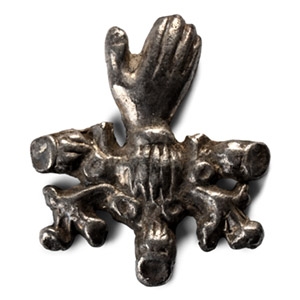
Post Medieval Silver Retainer's Badge with Hand
Circa 18th century A.D.Sold for (Inc. bp): £33
Depicting an extended right hand with acorns(?) and foliage. 3.06 grams, 21 mm
From continental Europe. Previously part of an East Anglia, UK, collection. Acquired in 1983 in Kings Lynn, Norfolk, UK. Property of a Nottinghamshire, UK, gentleman. This lot is accompanied by an illustrated lot declaration signed by the Head of the Antiquities Department, Dr Raffaele D'Amato. -
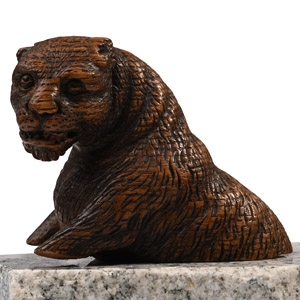
Wood Carving of a Lioness
18th-19th century A.D.Sold for (Inc. bp): £117
The upper body of a lioness in a seated position with its head turned to the left, looking up with jaws slightly open and teeth exposed, detailed coat; mounted on an irregular granite base with felt lining to the bottom. 920 grams total, 13.5 cm wide including stand
Acquired on the UK art market, early 2000s. This lot is accompanied by an illustrated lot declaration signed by the Head of the Antiquities Department, Dr Raffaele D'Amato. -
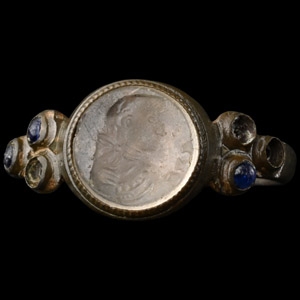
Georgian Bronze Ring with Portrait Gemstone
18th-19th century A.D.Sold for (Inc. bp): £124
Trio of cells to each shoulder, eah with inset blue glass cabochon; bezel with fillet and inset crystal cloison, intaglio profile portrait bust of a young female, initials 'DXP' to rim. 3.62 grams, 25.74 mm overall, 21.37 mm internal diameter (approximate size British X 1/2, USA 11 3/4, Europe 26.92, Japan 25)
Ex German art market, 2000s. Acquired from an EU collector living in London. From the collection of a Surrey, UK, gentleman. This lot is accompanied by an illustrated lot declaration signed by the Head of the Antiquities Department, Dr Raffaele D'Amato.
