
Loading, please wait...
LOT 1270
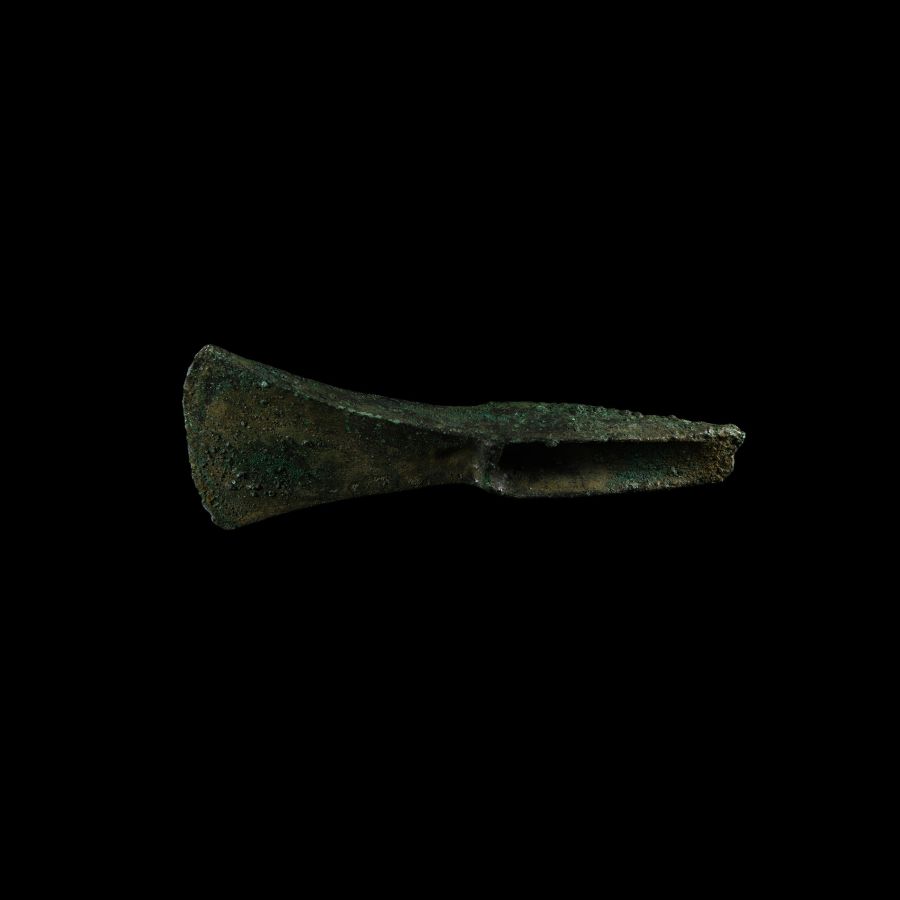
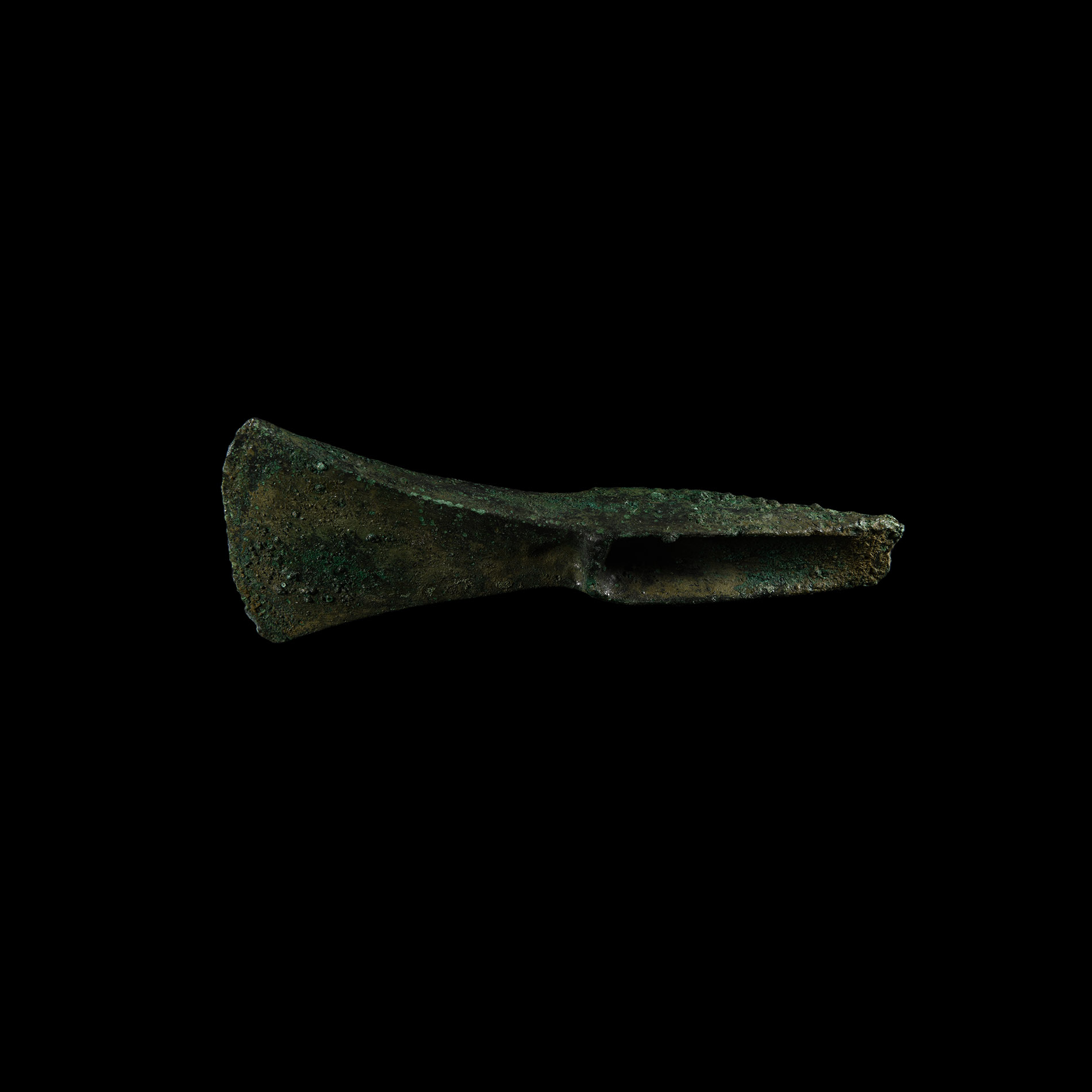
Bronze Age 'The Manston Hoard' Palstave Axehead
MIDDLE BRONZE AGE, 1400-1150 B.C.
7 1/8 in. (480 grams, 18 cm).
Complete and one of the best examples in the hoard; triangular flanges rise from the butt to the stop bar; below the septum a hollow to both faces; narrow body expanding to a wide triangular blade with slight flare at the tips; a rare opportunity to acquire a British Bronze Age axe from a recorded treasure hoard. [No Reserve]
ProvenanceFound near Manston, Kent, UK, 2016.
Accompanied by copies of the British Museum's portable Antiquities Scheme (PAS) report no.KENT-495597 and disclaimed as Treasure with reference no.2016 T618.
See Portable Antiquities Scheme, reference PAS KENT-495597 (this find).
LiteratureSee Evans, J., The Ancient Bronze Implements, Weapons and Ornaments of Great Britain and Ireland, London, 1881, pp.76-84, and figs.56-68, for similar types.
CONDITIONTimeLine Auctions follows a vetting process to ensure the authenticity and legality of all items, reinforcing our commitment to integrity and responsible trading. Each antiquity, antique, and coin lot undergoes thorough examination by a vetting committee of at least ten external specialists, professional trade association members, scientists, and archaeologists: Our Vetting Process
AUCTIONS:
TimeLine is a leading auction house specialising in antiquities, ancient art, collectables, natural history, coins, medals, and books. Our auctions offer museums, collectors, historians, and enthusiasts the opportunity to acquire unique and historically significant pieces.
-
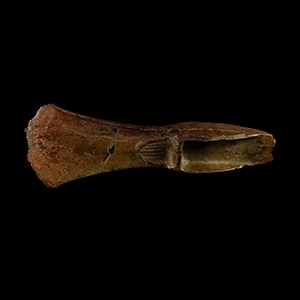
Bronze Age Shield Type Palstave Axehead
2nd millennium B.C.Sold for (Inc. bp): £195
Rectangular recesses to both faces of the head, tapering towards the butt, roughly wedge-shaped cheeks with gently scooped upper and lower edges, chamfered convex cutting edge, distinct ribbed shield-shaped recess at the junction of neck and head. 390 grams, 15.3 cm
Found Nottinghamshire, UK. -
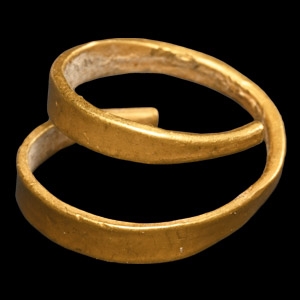
Bronze Age Gold Hair Ring
Circa 2nd millennium B.C.Sold for (Inc. bp): £169
Flat in section and tapering to each end, coiled to secure a braid of hair. 1.01 grams, 12 mm
From a late Japanese specialist collector, 1970-2000s. -
.jpg)
Bronze Age Gold Torc-Shaped Bracelet
Early 1st millennium B.C.Sold for (Inc. bp): £11,050
Of solid heavy penannular form, round in section with clubbed terminals. 173 grams, 93 mm wide
From the collection of a North American gentleman, formed in the 1990s. This lot has been checked against the Interpol Database of stolen works of art and is accompanied by search certificate number no.11879-200623.
