
Loading, please wait...
LOT 1973
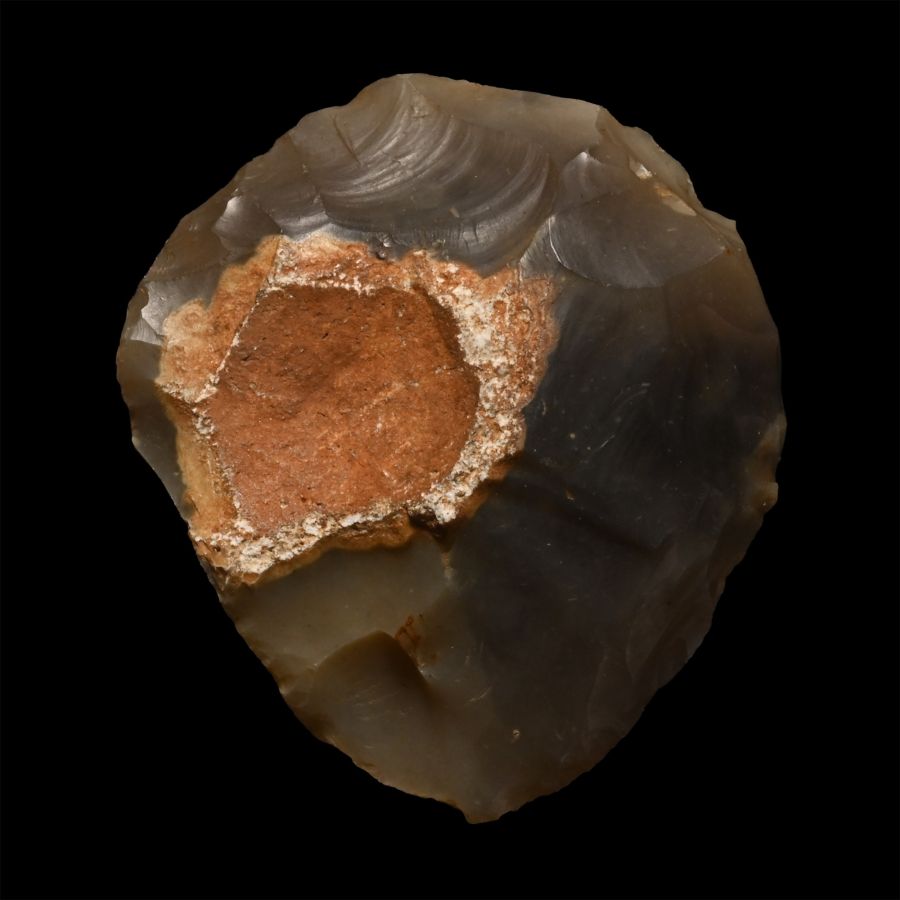
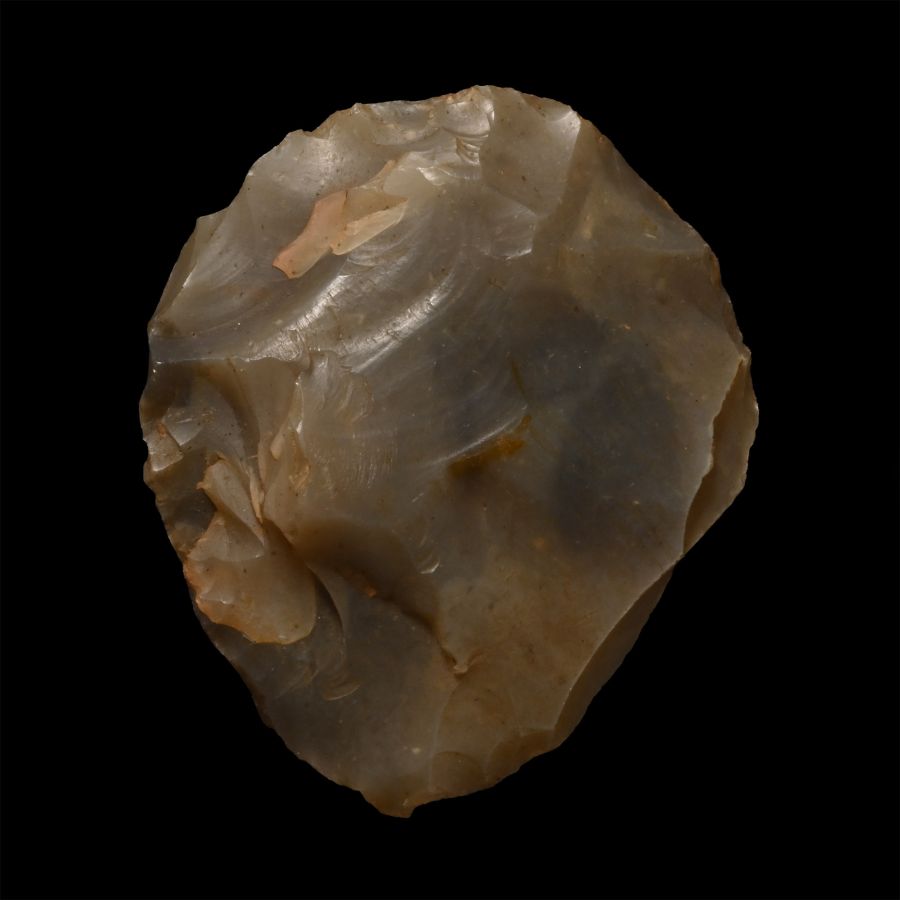
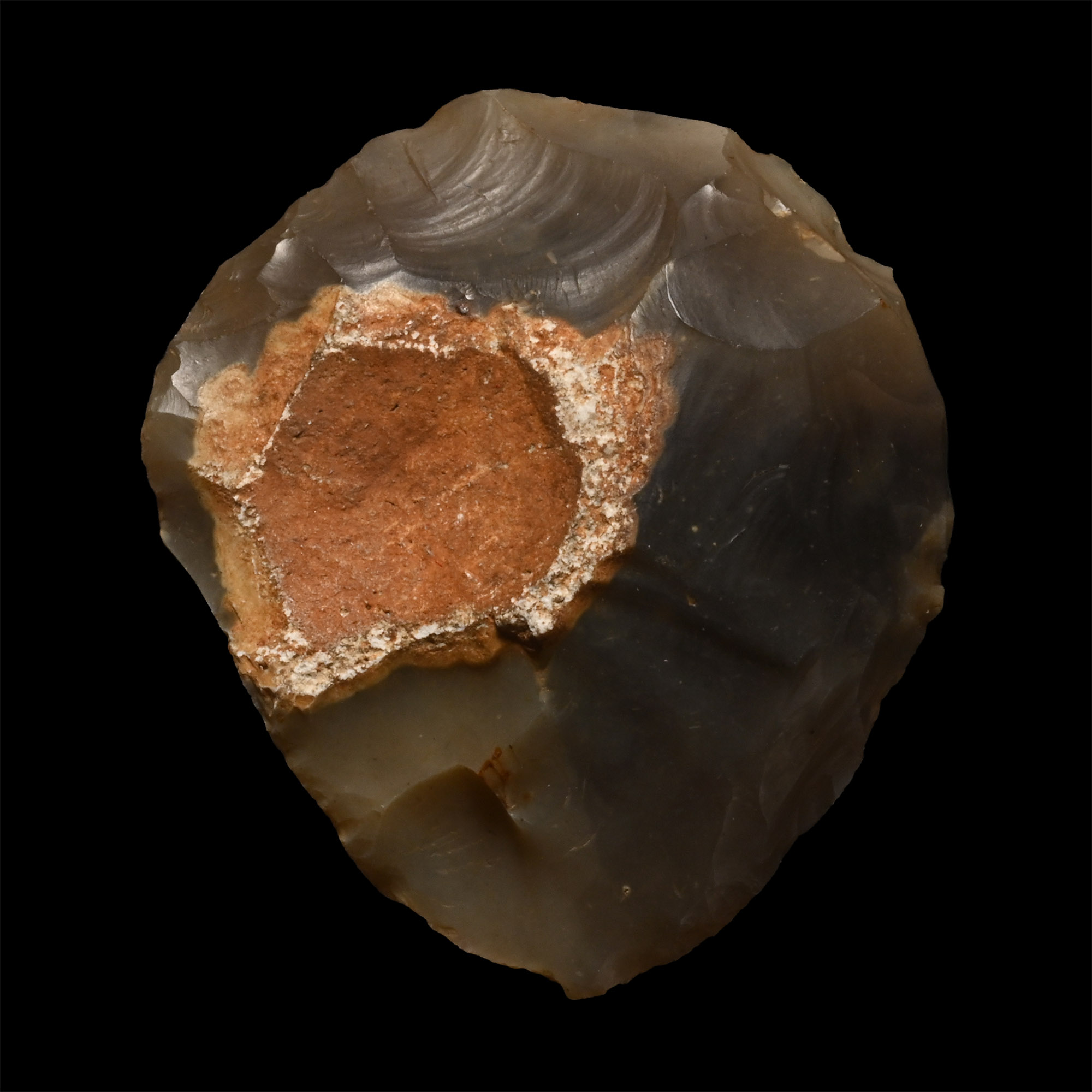
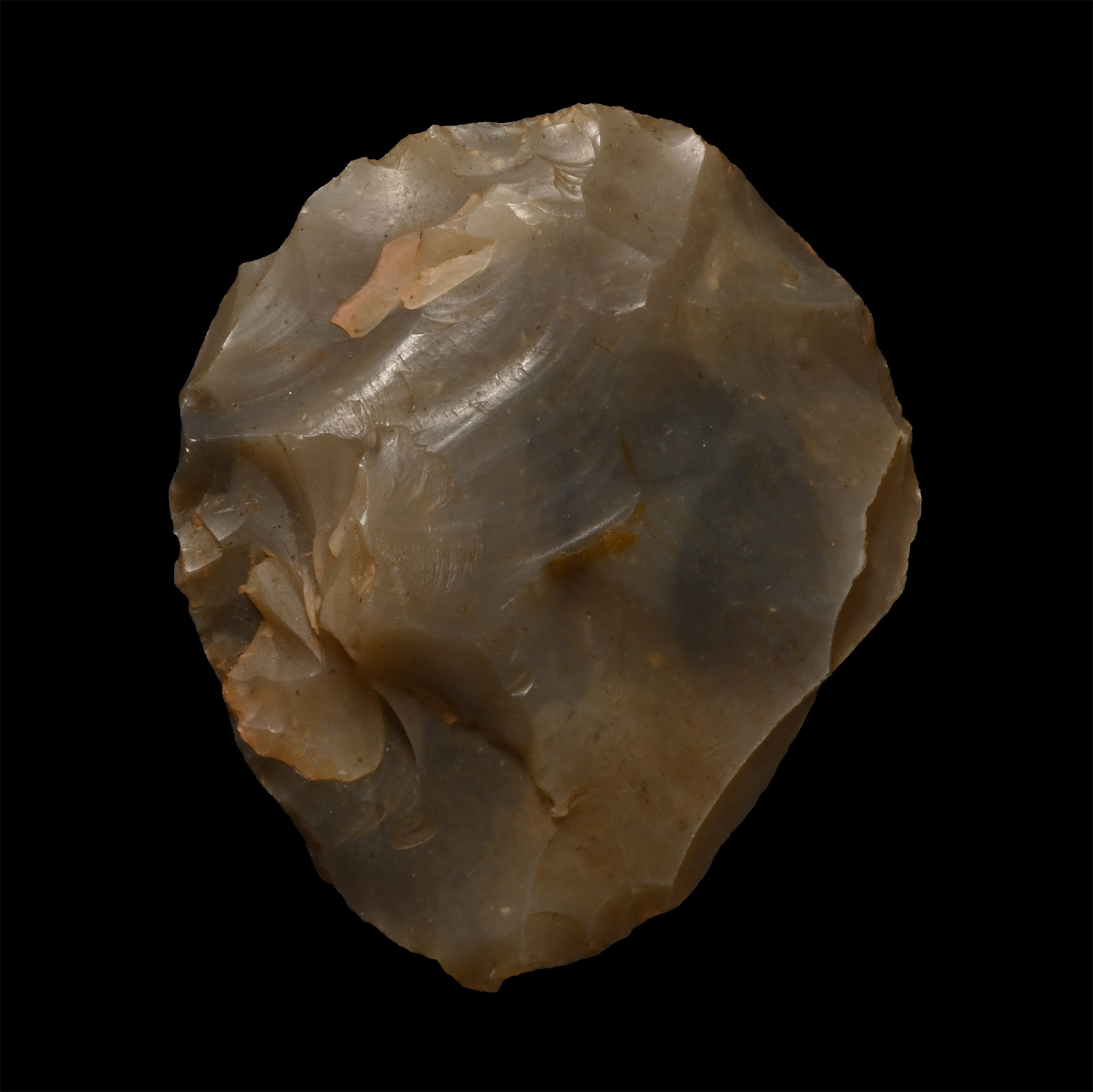
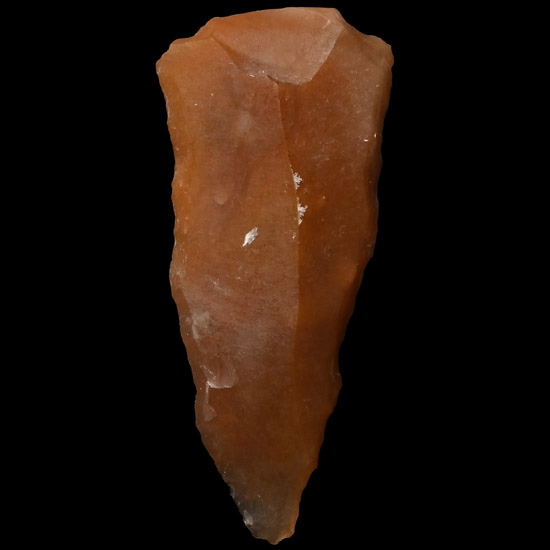
British Stone Age Knapped Flint Bifacial Knife from Farnham
NEOLITHIC PERIOD, CIRCA 6000 YEARS B.P.
1 1/2 in. (17.6 grams, 40.5 mm).
Ovate in plan with a small patch of cortex forming a thumb-pad. [No Reserve]
ProvenanceFound in 1901.
From the collection of Captain Streatfield who helped to fund the archaeology excavations at Farnham, Kent.
After Captain Streatfield passed away in the 1940s, his collection was sold at auction to a gentleman in Kent.
The collection was then sold again in the 2020’s via a UK auction house.
TimeLine Auctions follows a vetting process to ensure the authenticity and legality of all items, reinforcing our commitment to integrity and responsible trading. Each antiquity, antique, and coin lot undergoes thorough examination by a vetting committee of at least ten external specialists, professional trade association members, scientists, and archaeologists: Our Vetting Process
AUCTIONS:
TimeLine is a leading auction house specialising in antiquities, ancient art, collectables, natural history, coins, medals, and books. Our auctions offer museums, collectors, historians, and enthusiasts the opportunity to acquire unique and historically significant pieces.
LOT 1973
British Stone Age Knapped Flint Bifacial Knife from Farnham
Sold for (Inc. bp): £442
-
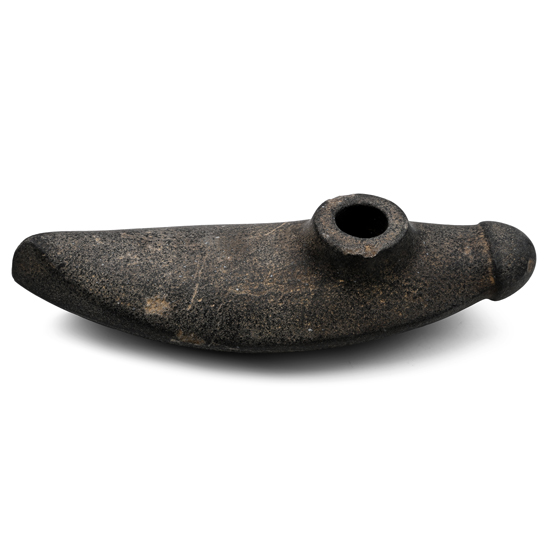
Large Stone Age Corded Ware Boat-Shaped Axehead
6th-5th millennium B.P.Sold for (Inc. bp): £650
A large and finely formed boat-shaped axe with asymmetric convex cutting edge, with pronounced ridge to upper surface copying a bronze casting seam, rounded hammer-butt, pierced to receive handle with a projecting socket to underside. 843 grams, 21 cm
From the private family collection of a lady, UK; acquired in Germany mid-20th century. This lot has been checked against the Interpol Database of stolen works of art and is accompanied by search certificate number no.13250-253195.
These axes, usually of black fine-grained rock, are mostly of Swedish or Norwegian origin. The asymmetrical lentoid cross-section is flattened towards the cutting edge. -
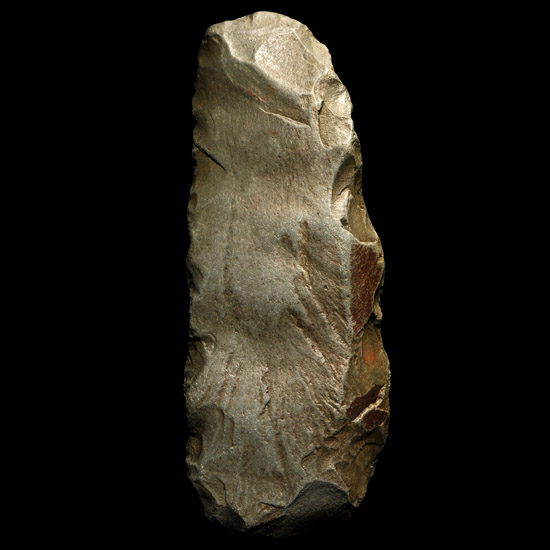
British Stone Age Knapped Langdale Tuff Axe Head
Neolithic Period, circa 6000 B.P.Sold for (Inc. bp): £65
Plano-convex in section with a narrow butt and a broad cutting edge. 345 grams, 15.6 cm
From the collection of Richard Widdowson. Richard owned an antiquity shop in Southern England and amassed a great and varied Stone Age collection. Purchased from Mr Widdowson in the 1980s and then more recently from a collector in the UK. -
British Stone Age Knapped Flint Chisel Tip Arrowhead from Farnham
Neolithic Period, circa 6000 B.P.Sold for (Inc. bp): £247
Triangular in section with elongated point. 1.9 grams, 31.5 mm
Found in 1901. From the collection of Captain Streatfield who helped to fund the archaeology excavations at Farnham, Kent. After Captain Streatfield passed away in the 1940s, his collection was sold at auction to a gentleman in Kent. The collection was then sold again in the 2020’s via a UK auction house.
