
Loading, please wait...
LOT 0273
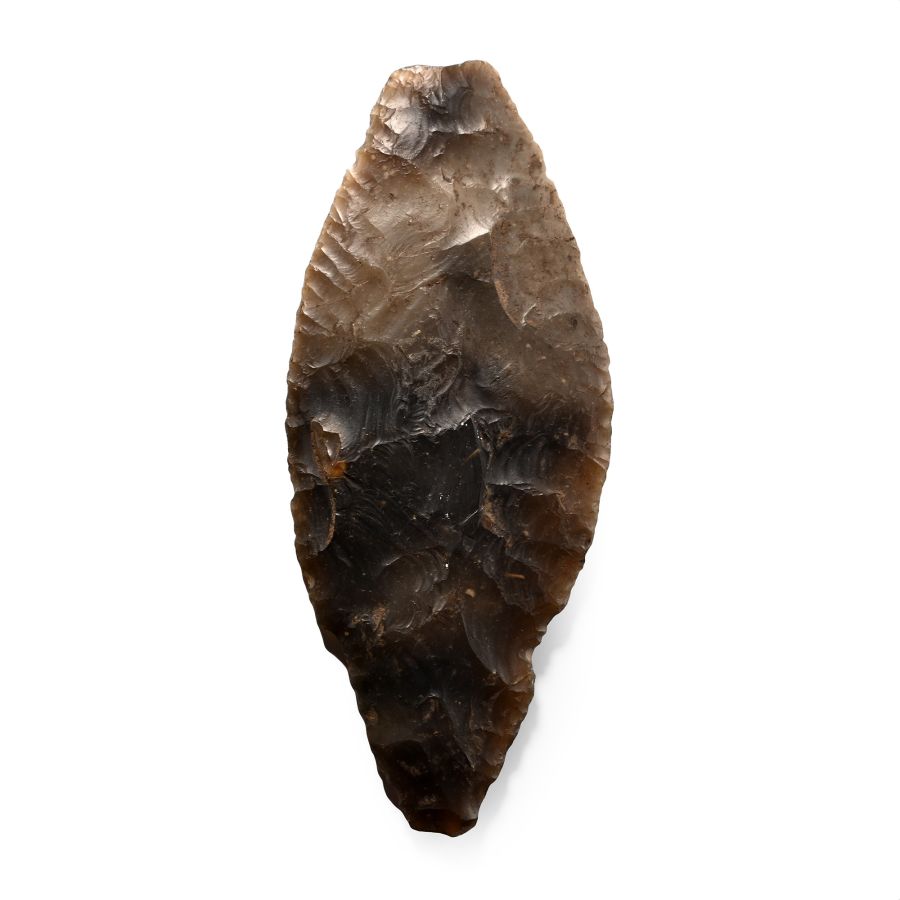
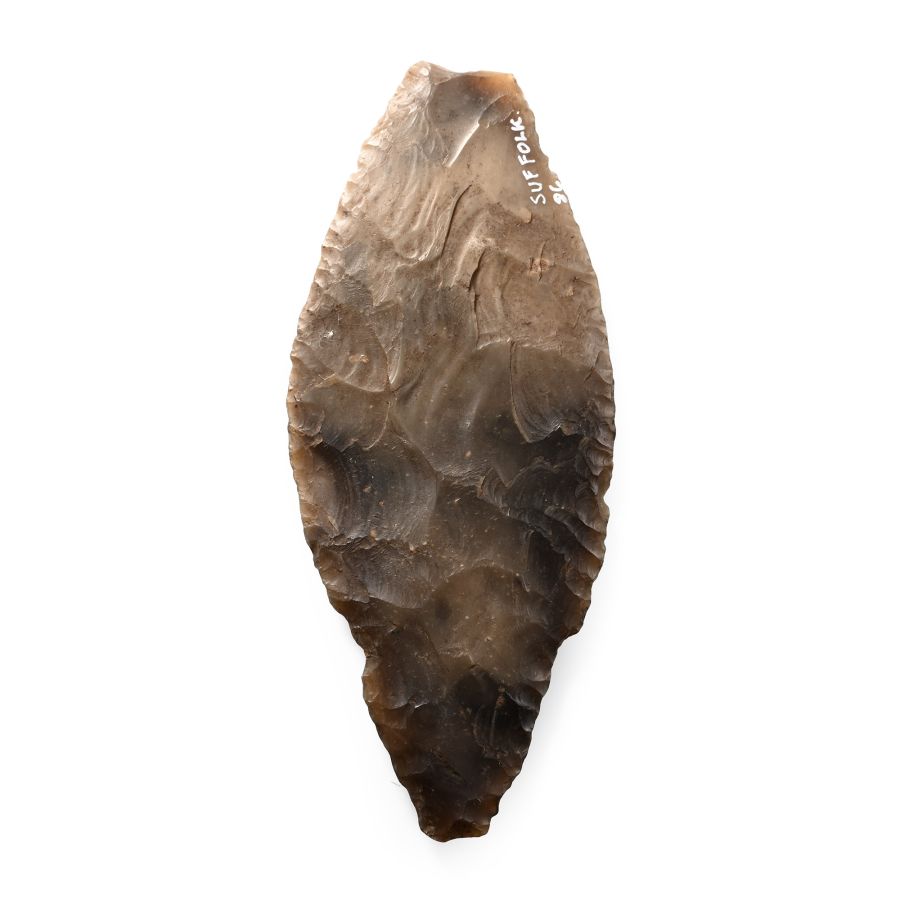
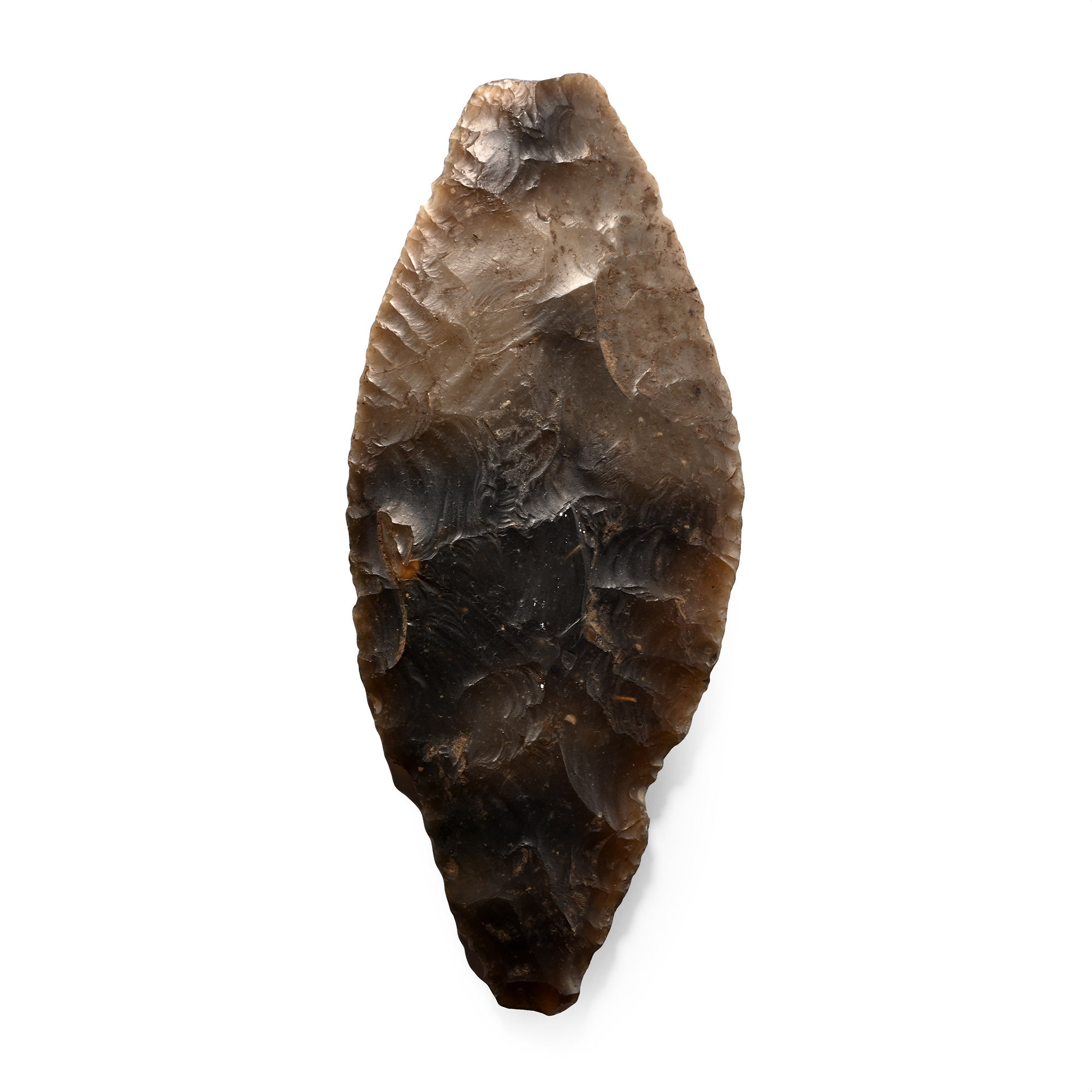
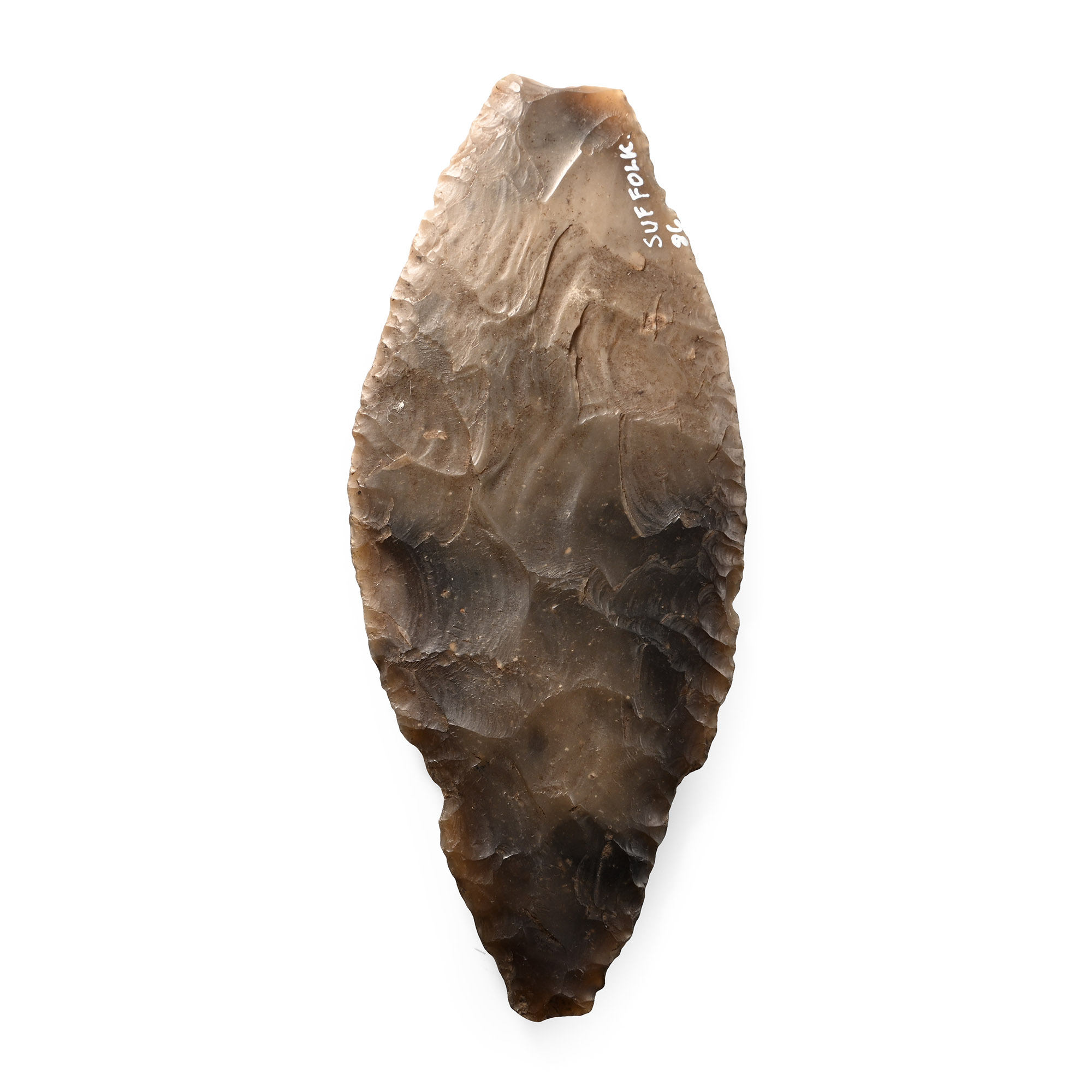
British Stone Age Knapped Flint Beaker Dagger
BEAKER PERIOD, 4700-3700 B.P.
5 3/8 in. (67 grams, 13.7 cm).
Lentoid body with finely knapped edges, inked collector's note 'Suffolk. 86' to one side; very rare. [No Reserve]
ProvenanceFound Suffolk, UK, 1986(?).
From the collection of Martin Doyle, Leverstock, UK, 1980s-2000s.
TimeLine Auctions follows a vetting process to ensure the authenticity and legality of all items, reinforcing our commitment to integrity and responsible trading. Each antiquity, antique, and coin lot undergoes thorough examination by a vetting committee of at least ten external specialists, professional trade association members, scientists, and archaeologists: Our Vetting Process
AUCTIONS:
TimeLine is a leading auction house specialising in antiquities, ancient art, collectables, natural history, coins, medals, and books. Our auctions offer museums, collectors, historians, and enthusiasts the opportunity to acquire unique and historically significant pieces.
-
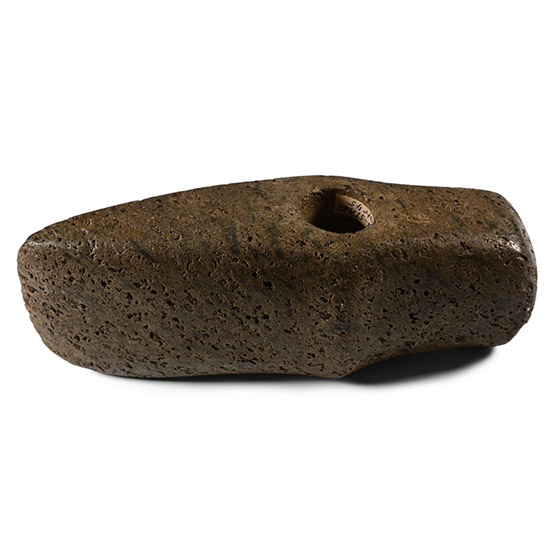
Stone Age Pierced Boat-Shaped Axehead
Neolithic Period, 4th millennium B.P.Sold for (Inc. bp): £520
Boat-shaped in plan with central drilling; domed hammer-face to butt, carination to each broad face. 656 grams, 14.8 cm
Acquired in the 1996. Private collection, Switzerland, thence by descent. Private collection, since the late 1990s. -
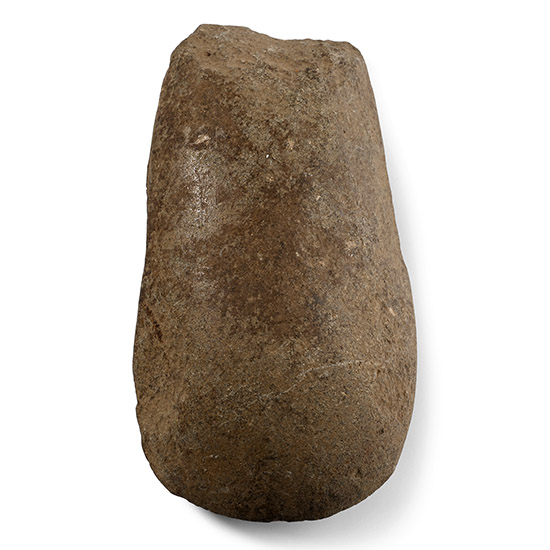
Published East Danish 'Limited Culture 4' Ertebolle Groundstone Limhamn Axe
South Scandinavian Mesolithic Period, circa 6300-5900 B.P.Estimate: £200 - 300 (+bp*)
Current Winning Bid: £100
Finely produced from local diabase/amphibolite and characteristic of the restricted Limhamn-Nivå tradition of North Sjælland and Scania; unusually well-polished for the type, with intact form and clear Mesolithic workmanship, possibly ceremonial. 406 grams, 11.5 cm
Found Aatoften Settlement, Nive Mill South, Nivaa, Denmark, 1970. From the private collection of amateur archaeologist Jorgen Faxholm, UK. Accompanied by copies of the relevant book pages where this axe is published.
This type represents a distinctive South Scandinavian Mesolithic tradition. Limhamn axes illustrate the indigenous technological development from the earlier Nøstvet and Lihult tools. While Limhamn axes are typically heavily scarred from knapping and crushing, this specimen appears unused and shows unusually fine grinding and surface finish, suggesting a piece of elevated status, adding limited practical use. The type is found exclusively in North Sjælland (Denmark) and Scania (Sweden), indicating a localised craft tradition with minimal external influence. A rare and representative example of Scandinavian Mesolithic stone craftsmanship, unbroken from Maglemose to Ertebølle. -
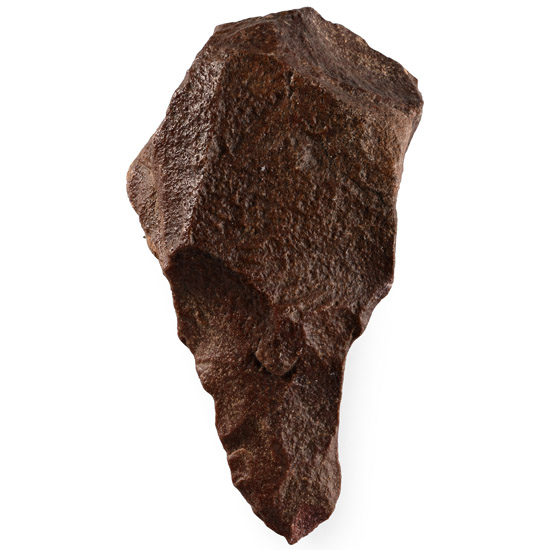
African Stone Age Homo Erectus Knapped Handaxe
Lower Palaeolithic Period, circa 1,000,000-500,000 B.P.Sold for (Inc. bp): £111
With a thick butt and a narrow, tapering point. 497 grams, 13.7 cm
From Wadi Talia, Africa. Ex old German collection formed in the 1970s by Dr J Fehkhaber. Acquired on the European art market.
