
Loading, please wait...
LOT 1559
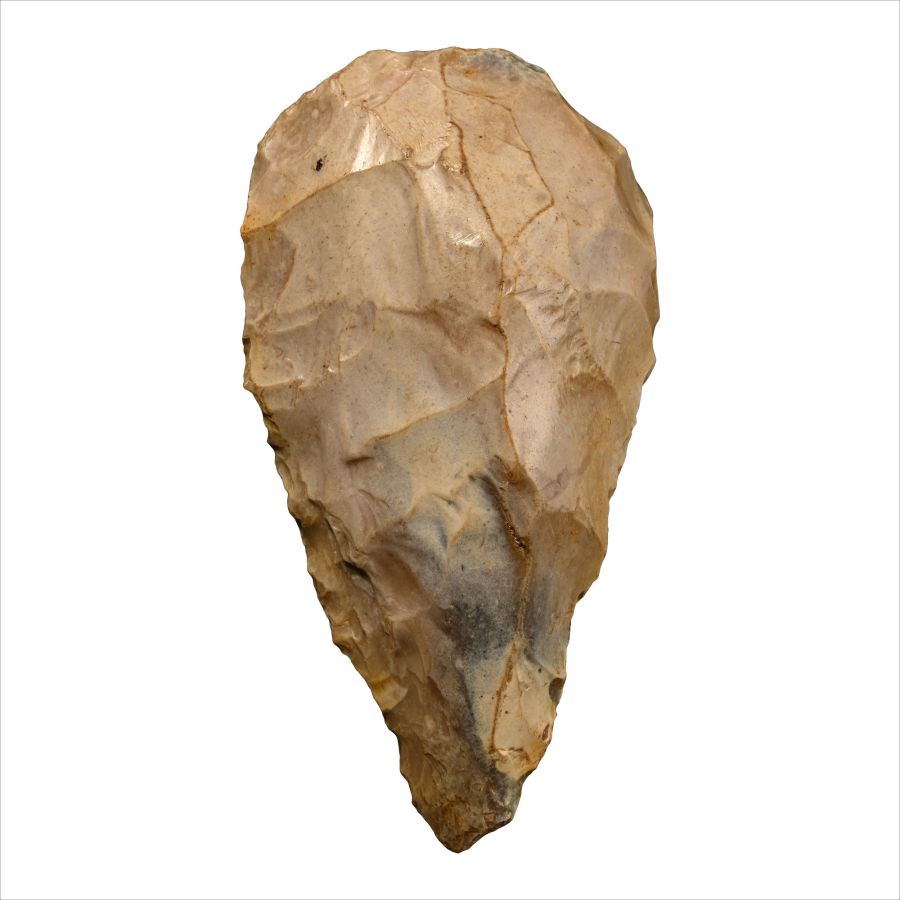
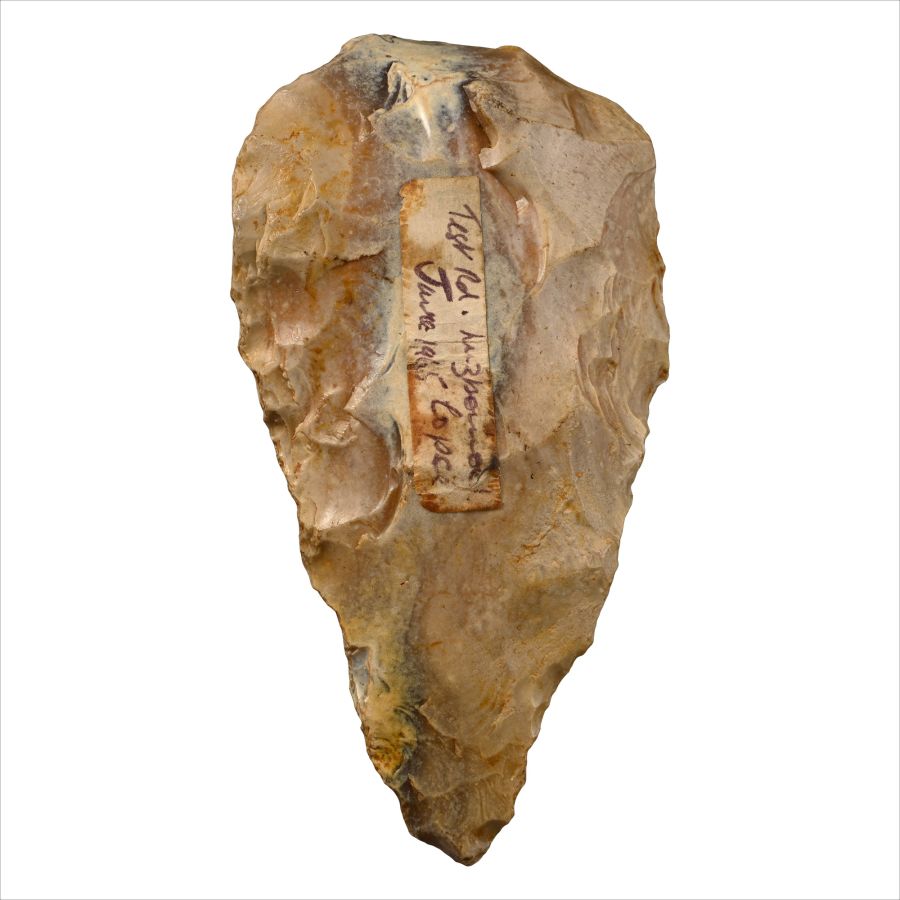
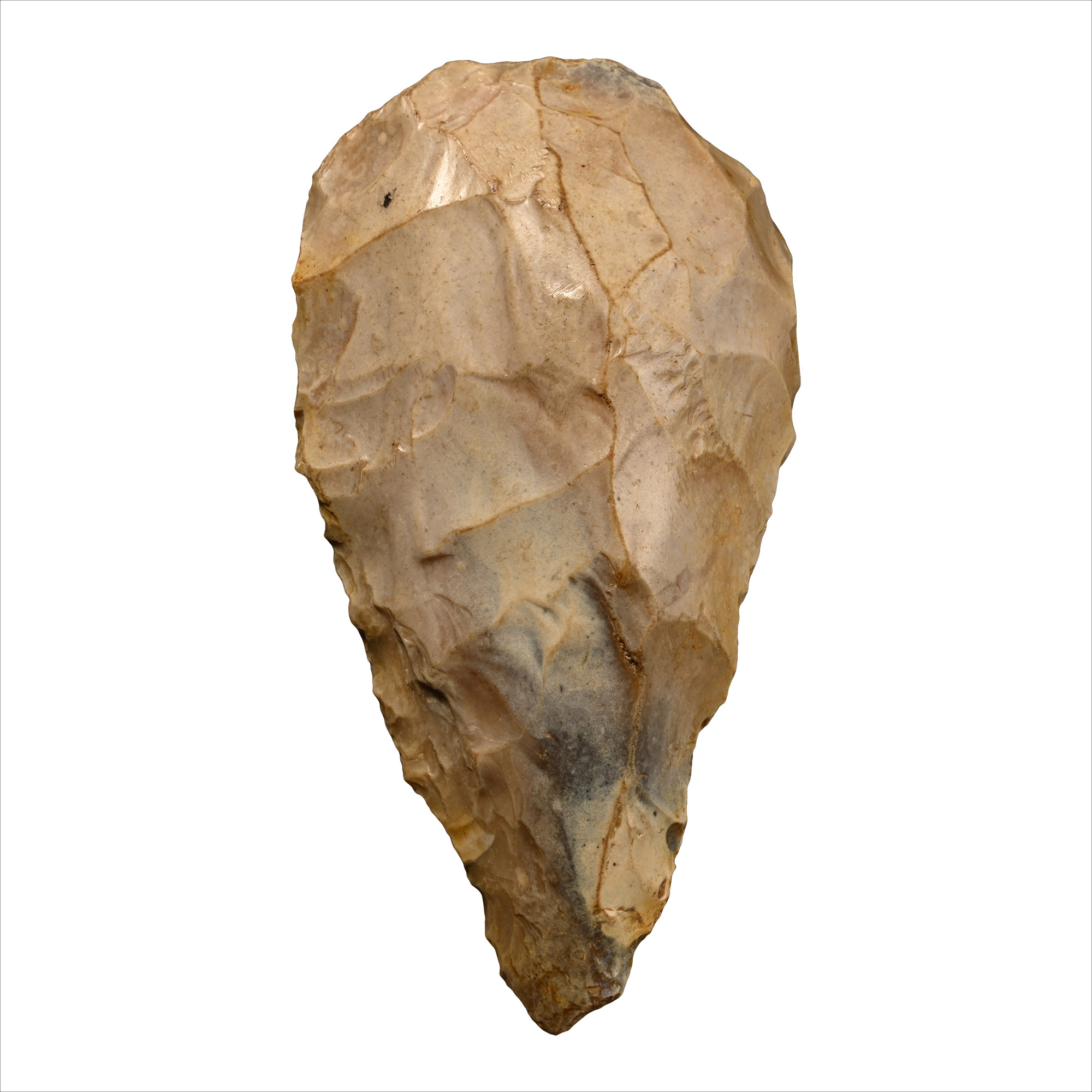
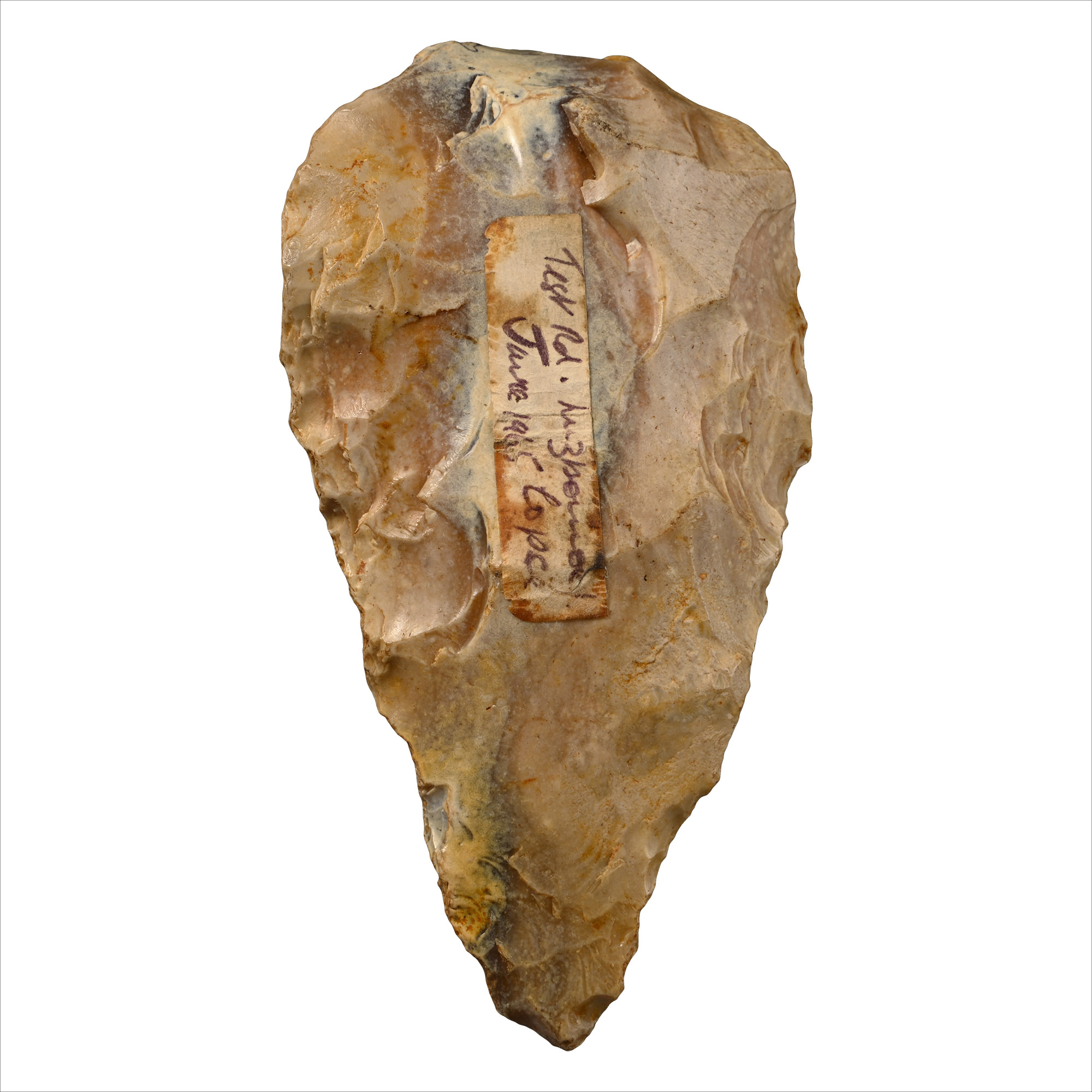
British Stone Age Knapped Flint Axe
MIDDLE PALAEOLITHIC PERIOD, CIRCA 150,000-60,000 B.P.
4 7/8 in. (262 grams, 12.3 cm).
Piriform body with pointed tip, an old handwritten label on one side. [No Reserve]
ProvenanceFound Test Road, Huzbourough Copse, Hampshire, UK, June 1965.
From the collection of Martin Doyle, Leverstock, UK, 1980s-2000s.
TimeLine Auctions follows a vetting process to ensure the authenticity and legality of all items, reinforcing our commitment to integrity and responsible trading. Each antiquity, antique, and coin lot undergoes thorough examination by a vetting committee of at least ten external specialists, professional trade association members, scientists, and archaeologists: Our Vetting Process
AUCTIONS:
TimeLine is a leading auction house specialising in antiquities, ancient art, collectables, natural history, coins, medals, and books. Our auctions offer museums, collectors, historians, and enthusiasts the opportunity to acquire unique and historically significant pieces.
-
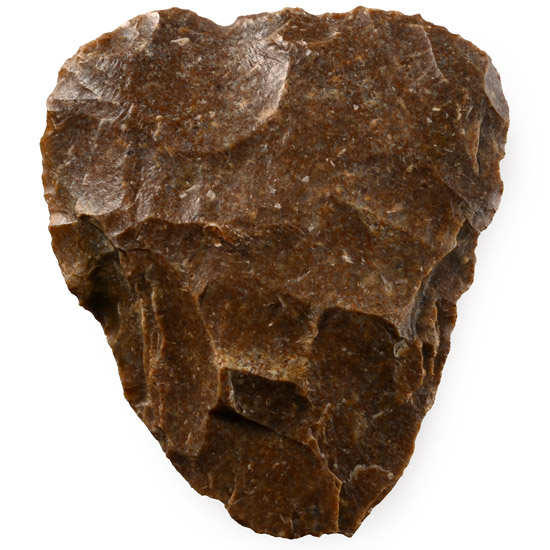
French Stone Age Triangular Mousterian Knapped Flint Handaxe
Lower Palaeolithic Period, circa 250,000-150,000 B.P.Sold for (Inc. bp): £91
Triangular in profile with a narrow butt and a wide blade; attributed to Homo neanderthalensis. 190 grams, 96 mm
From the collection of a West London, UK, gentleman. Acquired from the art market in the 2020s. -
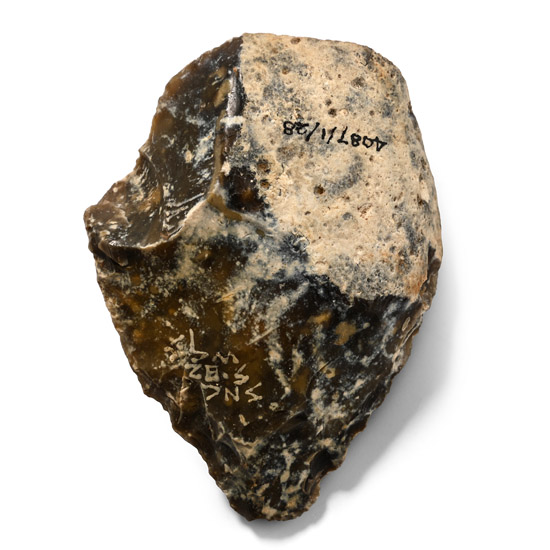
Possible Stone Age Clactonian Flint Scraper
Lower Palaeolithic Period, circa 700,000-300,000 B.P. or laterSold for (Inc. bp): £85
Piriform in plan with a rounded butt, possibly natural, two old inked collection notes 'SNC S.82 WGS' and 4087/1/28', and a pencilled note '74.7' to the other side. 74.9 grams, 72 mm
Previously in several old collections, having been annotated with three different accession numbers. Acquired from an Oxfordshire, UK, auction house. From the private collection of a West Midlands lady collector. -
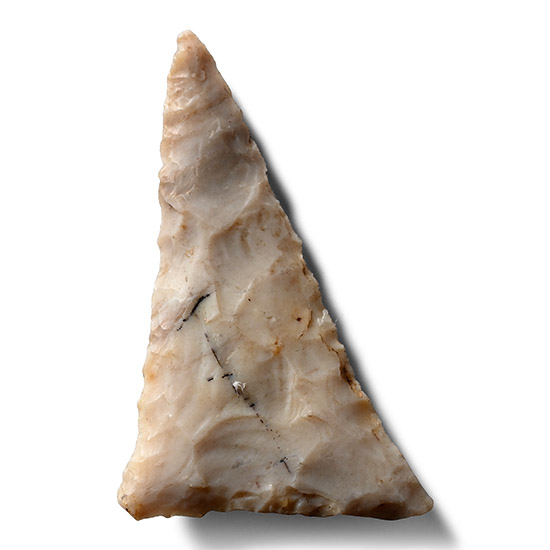
North American Stone Age Knapped Bifacial Arrowhead
Circa 6000-4000 B.P.Sold for (Inc. bp): £13
Triangular arrowhead with an inked Hugh Fawcett collection monogram and notes 'N.America 60-88'. 2.66 grams, 37 mm
Ex Dr Hugh Alderson Fawcett (1891-1982), a general practitioner and antiquarian who built up an important collection of ancient implements, weapons and ornaments. From the collection of a West Sussex collector. Acquired from the UK art market in the 2020s.
Dr Hugh Alderson Fawcett (1891-1982) was a general practitioner and antiquarian who built up an important collection of ancient implements, weapons and ornaments. The bulk of his collection is now in the Bristol Museum and Art Gallery, but Fawcett previously sold or traded some examples. His distinctive monogram and careful recording of provenance make his pieces readily identifiable.
