
Loading, please wait...
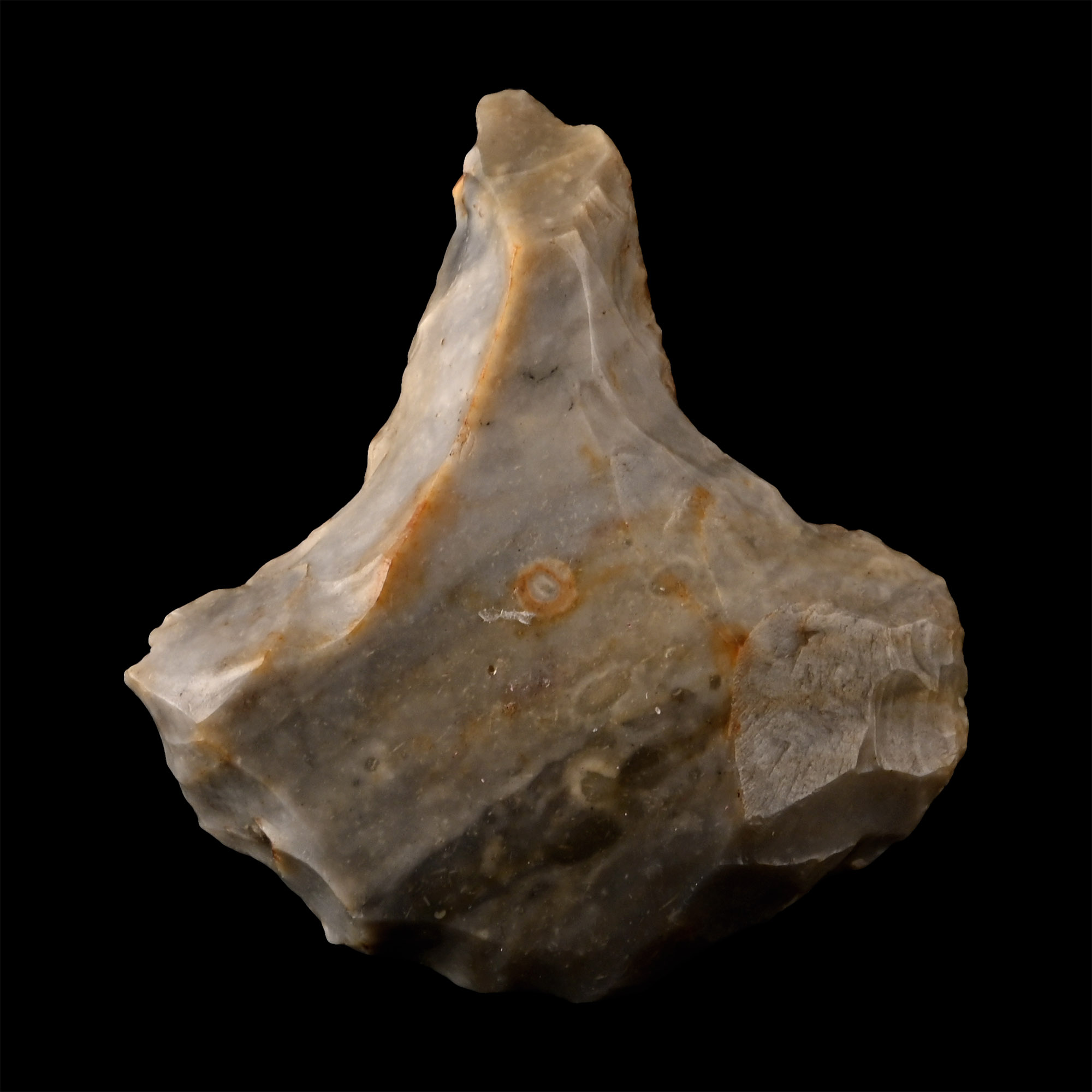
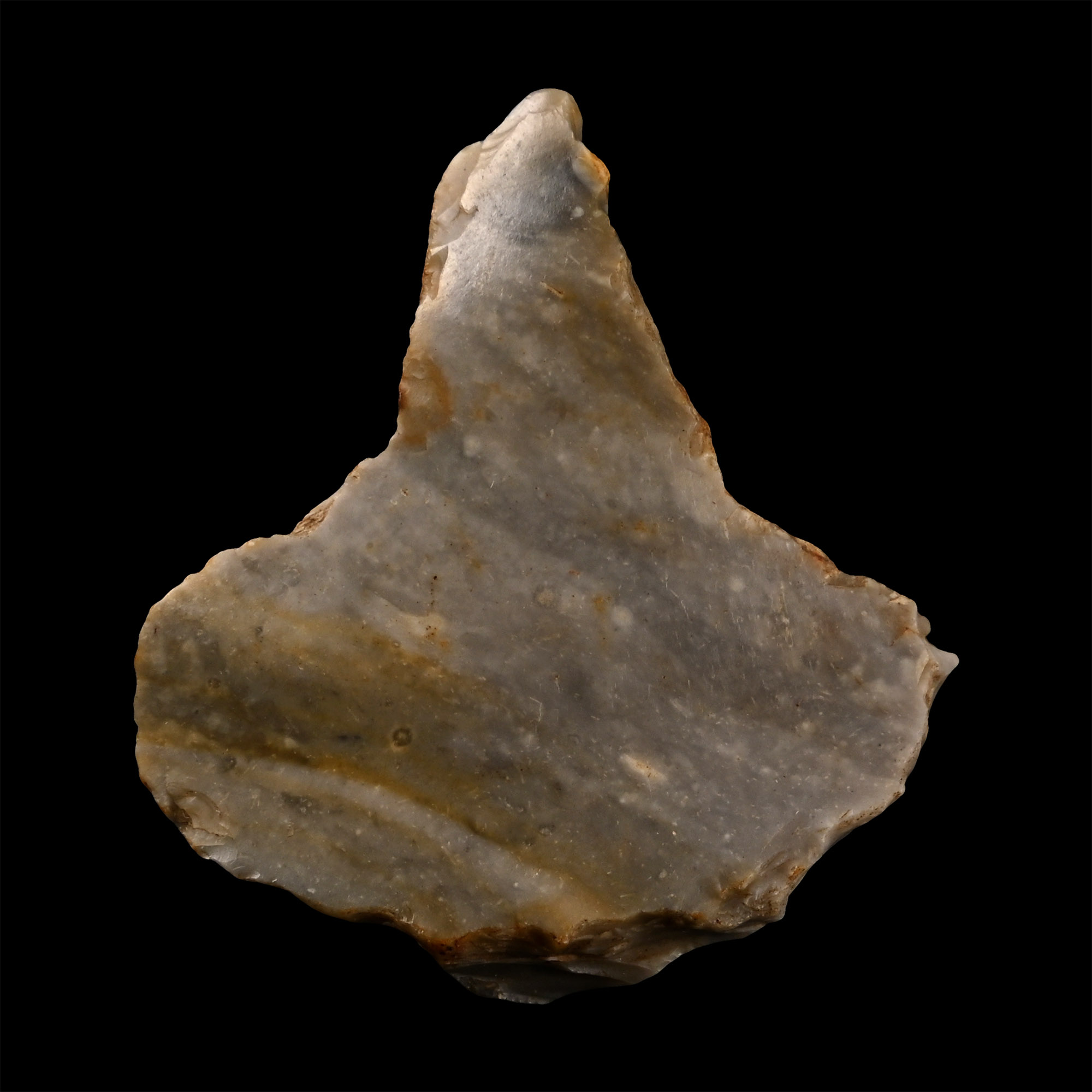
LOT 1651
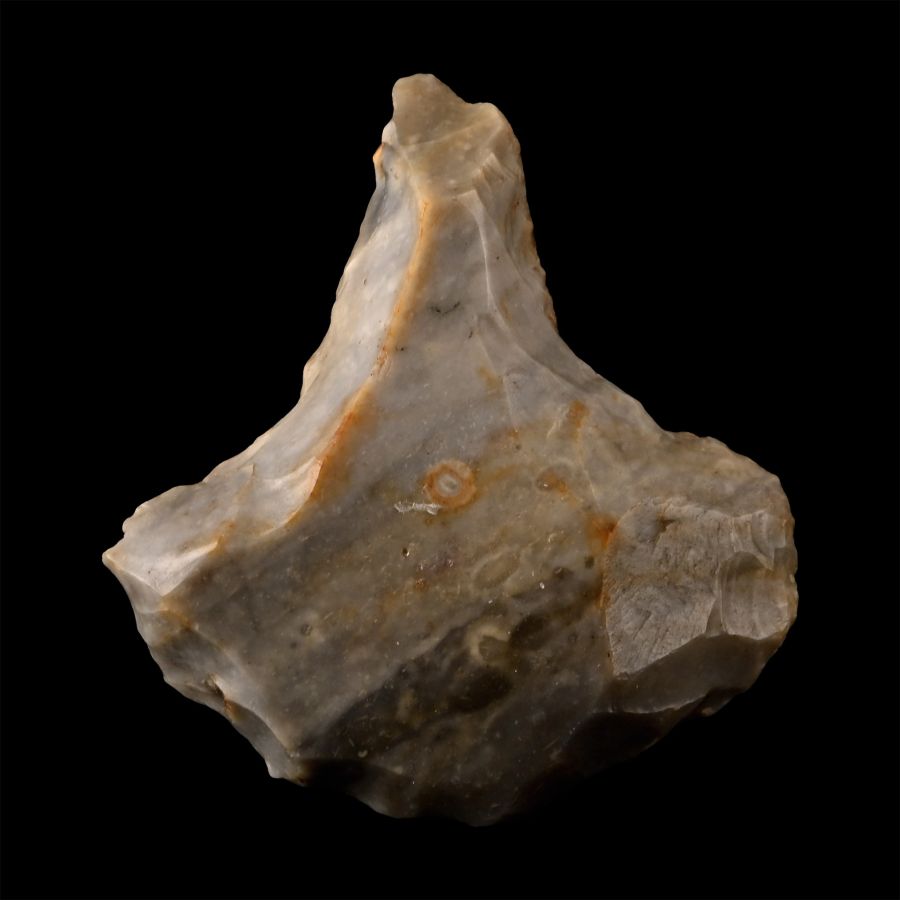
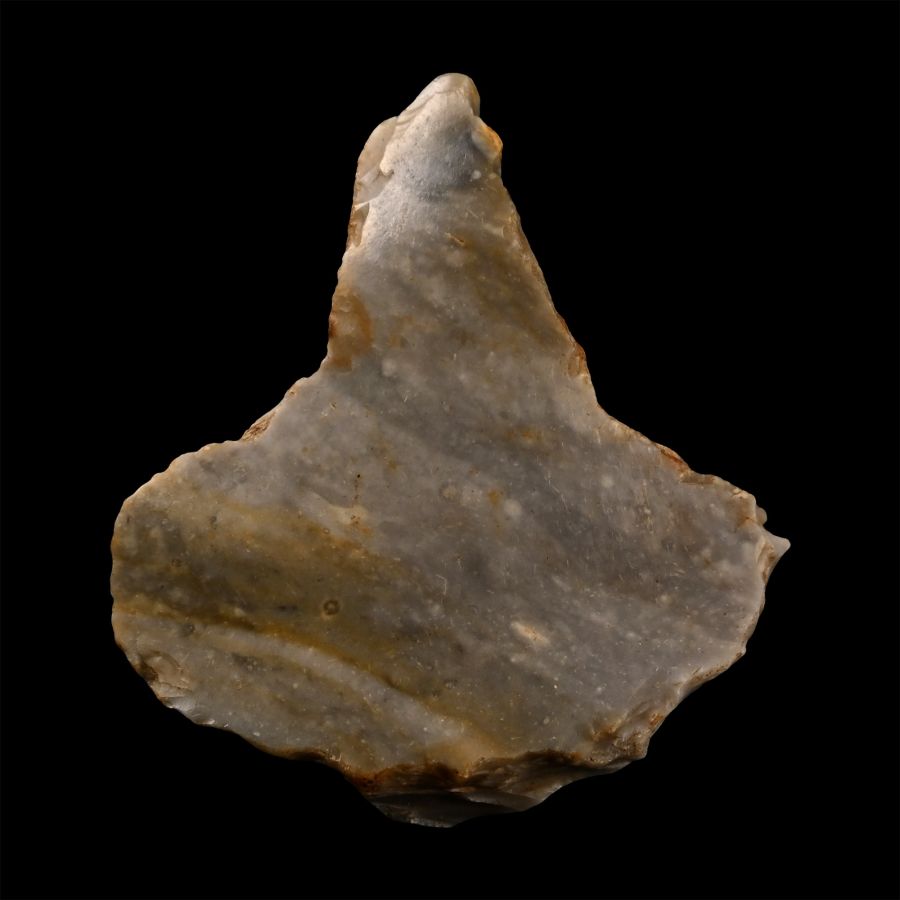
British Stone Age Flint Awl from Farnham
NEOLITHIC PERIOD, CIRCA 6,000 B.P.
1 3/4 in. (18.4 grams, 45 mm).
Pelta-shaped in plan and plano-convex in section with sturdy drilling spike. [No Reserve]
ProvenanceFound Farnham, Surrey, UK, in 1901.
From the collection of Captain Streatfield who helped to fund the archaeology excavations at Farnham, Kent.
After Captain Streatfield passed away in the 1940s, his collection was sold at auction to a gentleman in Kent. The collection was then sold again in the 2020’s via a UK auction house.
CONDITIONTimeLine Auctions follows a vetting process to ensure the authenticity and legality of all items, reinforcing our commitment to integrity and responsible trading. Each antiquity, antique, and coin lot undergoes thorough examination by a vetting committee of at least ten external specialists, professional trade association members, scientists, and archaeologists: Our Vetting Process
AUCTIONS:
TimeLine is a leading auction house specialising in antiquities, ancient art, collectables, natural history, coins, medals, and books. Our auctions offer museums, collectors, historians, and enthusiasts the opportunity to acquire unique and historically significant pieces.
-
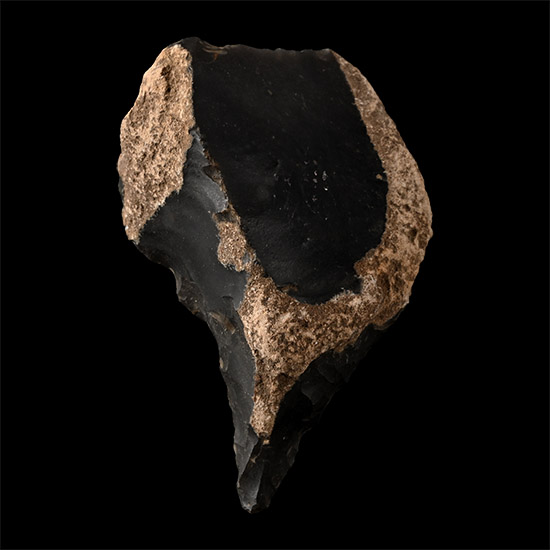
British Stone Age Flint Awl from Farnham
Neolithic Period, circa 6,000 B.P.Sold for (Inc. bp): £208
Comprising a thick flat-faced shank and thin lateral spike; some cortex remaining. 36.3 grams, 63 mm
Found Farnham, Surrey, UK, in 1901. From the collection of Captain Streatfield who helped to fund the archaeology excavations at Farnham, Kent.
After Captain Streatfield passed away in the 1940s, his collection was sold at auction to a gentleman in Kent. The collection was then sold again in the 2020’s via a UK auction house. -
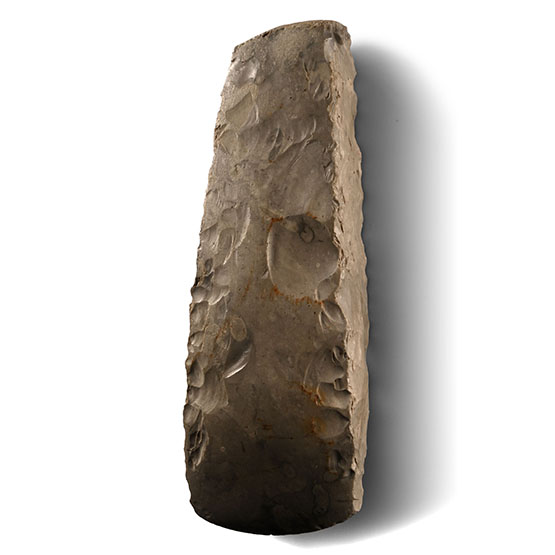
Stone Age Thick-Butted Knapped Axe Head
Nordic Neolithic Period, circa 4000-2000 B.P.Estimate: £350 - 550 (‡+bp*)
Opening Bid: £180
Dressed on all faces, symmetrical in profile with elongated, trapezoidal plan and rectangular cross-section; slightly curved broad sides, slanting neck with slightly rounded cutting edge; narrow faces with traces of retouching, broad faces partly polished at forward end, rear retouched for attachment of the haft; grey flint (silex), marbled in various shades of grey. 663 grams, 18 cm
Ex Dr Siegfried Zimmer, circa 1950. -
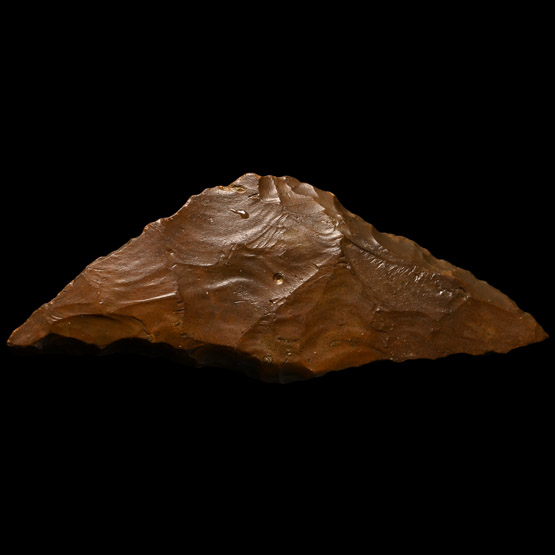
Egyptian Stone Age Triangular Knife
Lower Palaeolithic Period, circa 500,000-250,000 B.P.Sold for (Inc. bp): £169
With thick rear edge and carefully knapped angled cutting edges. 28.9 grams, 96 mm
From a Derbyshire auction house, UK. From the private collection of a West Midlands lady collector.
