
Loading, please wait...
LOT 1899
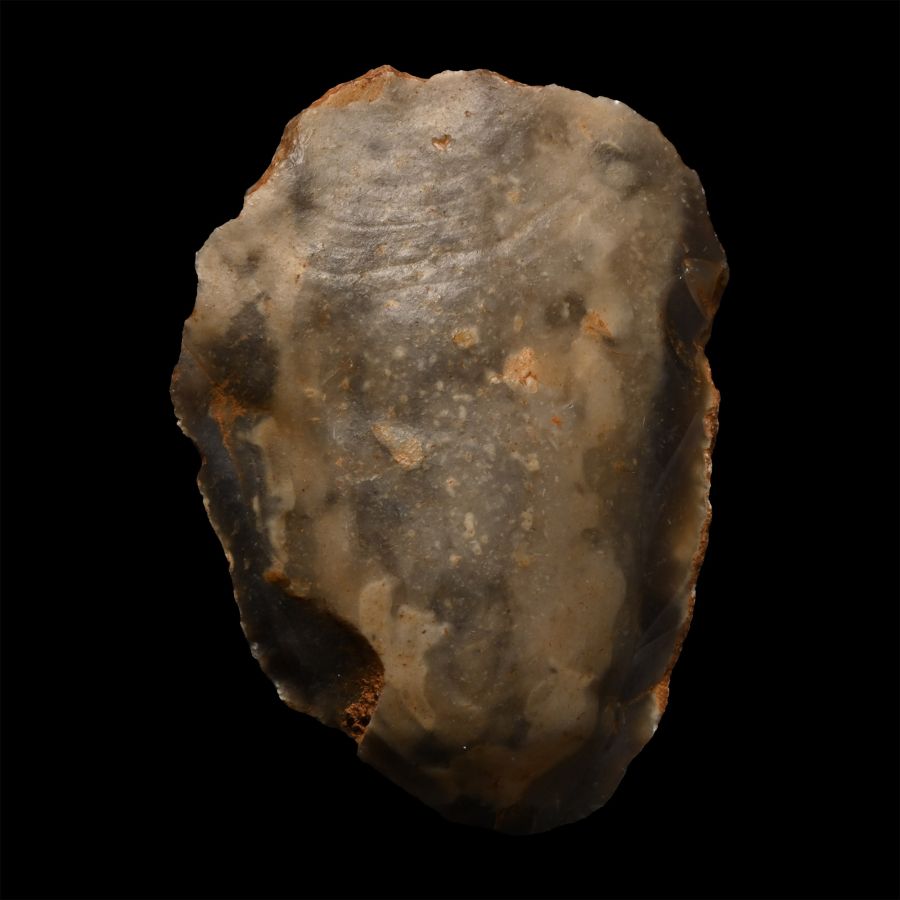
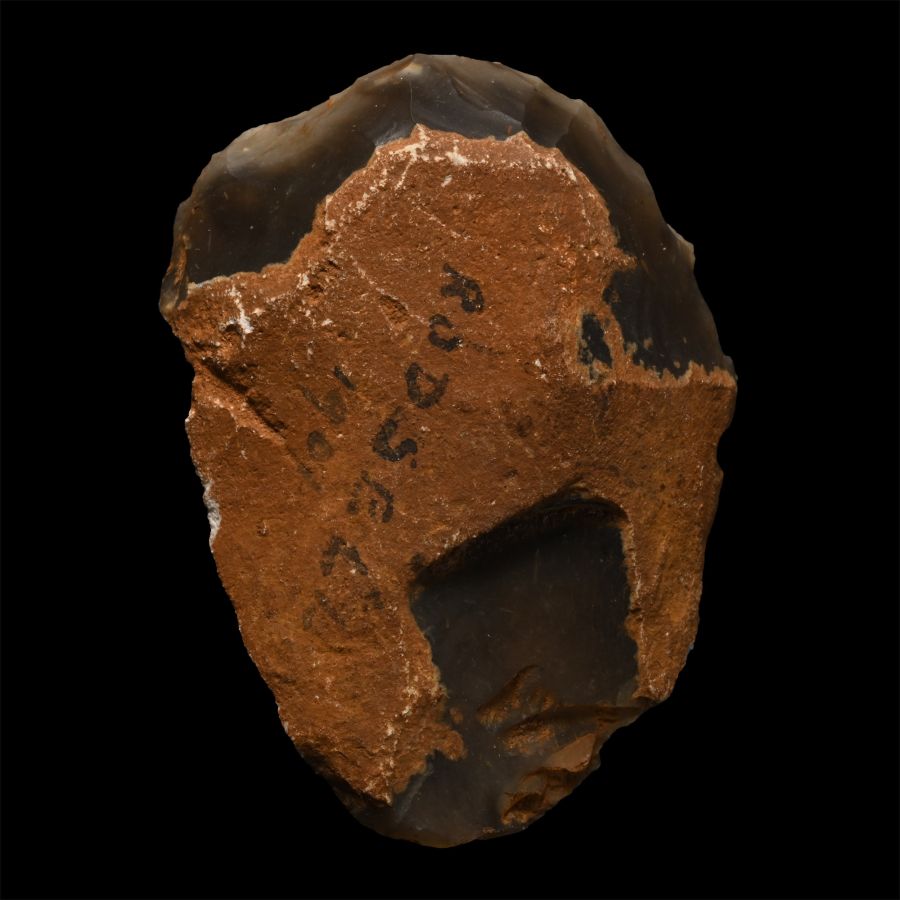
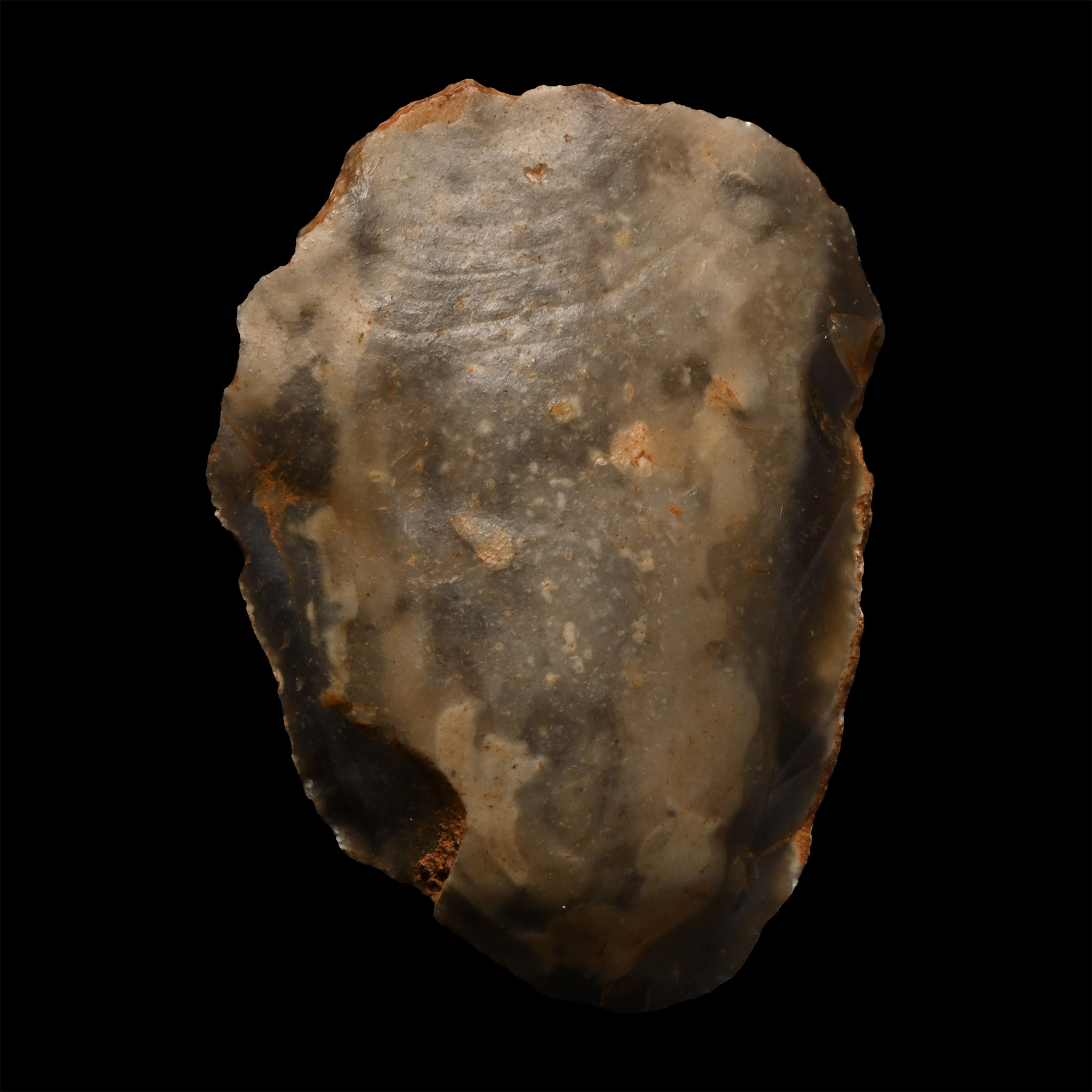
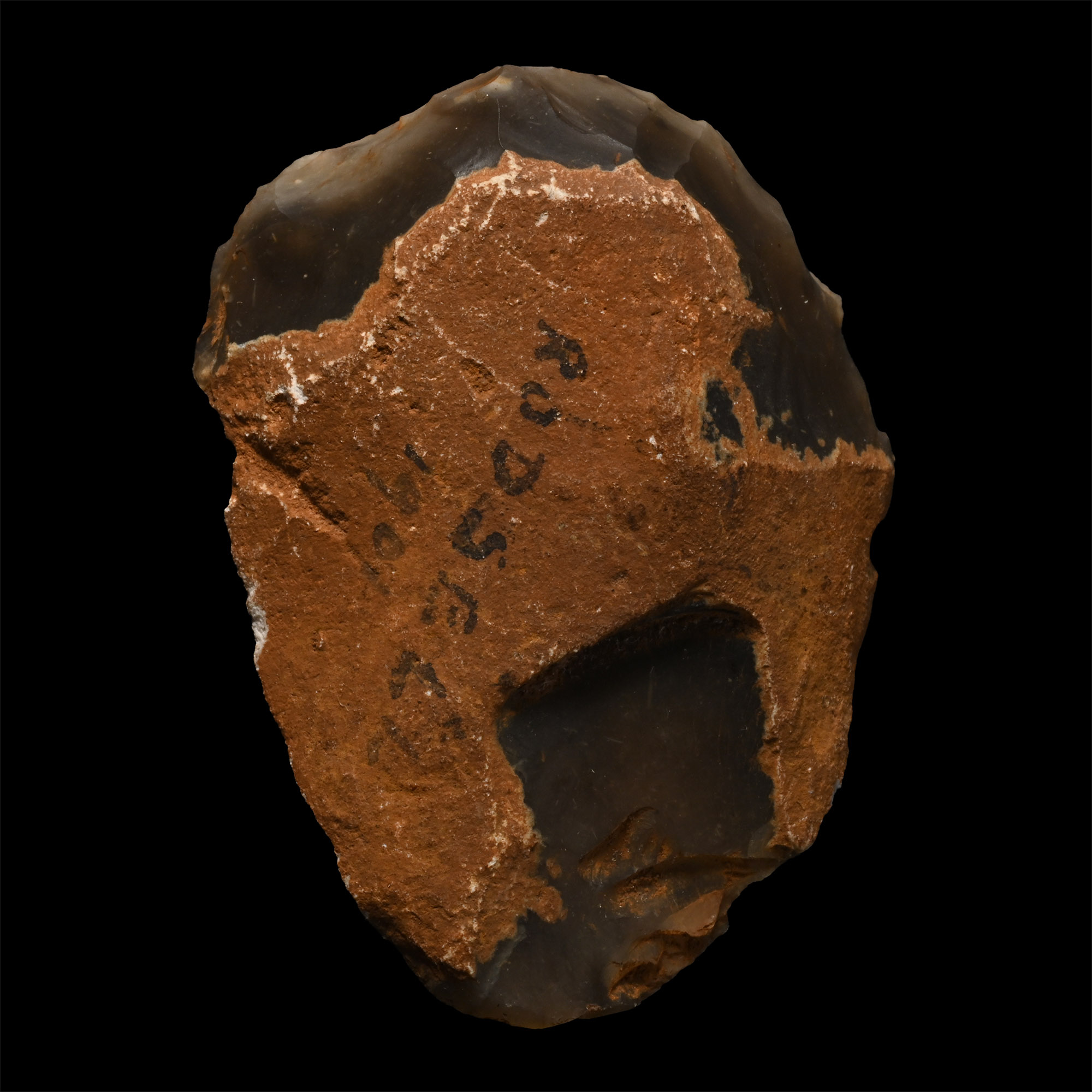
British Stone Age Bull-Nosed Flint Scraper from Rodsel
NEOLITHIC PERIOD, CIRCA 6000 YEARS B.P.
2 in. (35.3 grams, 52 mm).
Plano-convex in section with steep re-touch on the nose and cortex remaining to secure the grip. [No Reserve]
ProvenanceFound in 1901.
From the collection of Captain Streatfield, who helped to fund the archaeology excavations at Farnham, Kent.
After Captain Streatfield passed away in the 1940s, his collection was sold at auction to a gentleman in Kent.
The collection was then sold again in the 2020’s via a UK auction house.
TimeLine Auctions follows a vetting process to ensure the authenticity and legality of all items, reinforcing our commitment to integrity and responsible trading. Each antiquity, antique, and coin lot undergoes thorough examination by a vetting committee of at least ten external specialists, professional trade association members, scientists, and archaeologists: Our Vetting Process
AUCTIONS:
TimeLine is a leading auction house specialising in antiquities, ancient art, collectables, natural history, coins, medals, and books. Our auctions offer museums, collectors, historians, and enthusiasts the opportunity to acquire unique and historically significant pieces.
-
.jpg)
Large Stone Age Salisbury Adze in Grey-White Knapped Flint
Late Mesolithic Period, circa 7550-4000 В.Р.Sold for (Inc. bp): £59
Slender, triangular in section with broad point; marked with 'Salisbury' findspot. 498 grams, 19 cm
From the private collection of Mr P.M. Wiltshire, UK. Found by the collector whilst field walking in the Salisbury area during the early 2000s. -
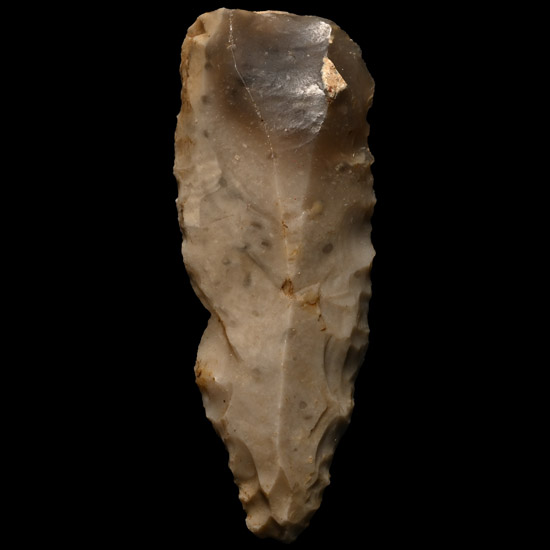
British Stone Age Knapped Flint Blade Knife from Farnham
Neolithic Period, circa 6000 years B.P.Sold for (Inc. bp): £416
Triangular in section, leaf-shaped, made on a long blade. 17.3 grams, 66 mm
Found in 1901. From the collection of Captain Streatfield who helped to fund the archaeology excavations at Farnham, Kent. After Captain Streatfield passed away in the 1940s, his collection was sold at auction to a gentleman in Kent. The collection was then sold again in the 2020’s via a UK auction house. -
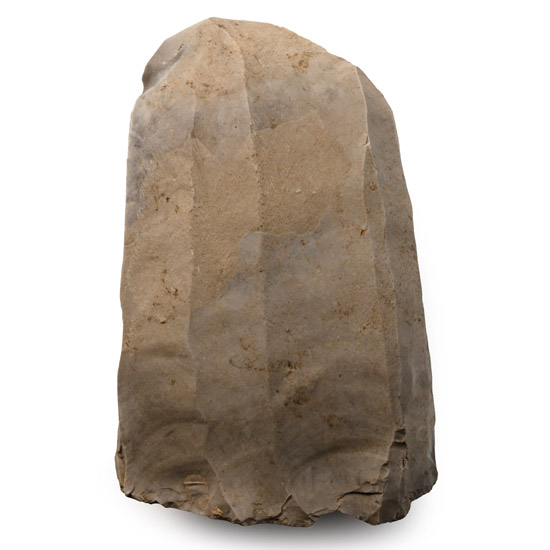
Large Belgian Stone Age Wide Flint Core
Neolithic Period, circa 6000 B.P.Sold for (Inc. bp): £111
Sturdy tongue-shaped core with parallel facets to one face, cortex to the reverse. 676 grams, 14.9 cm
Found Spiennes, Belgium. From an old Paris collection. From the private collection of an East Anglian, UK, collector.
From the world renowned and now world heritage flint factory site of Spiennes.
