
Loading, please wait...
LOT 2565
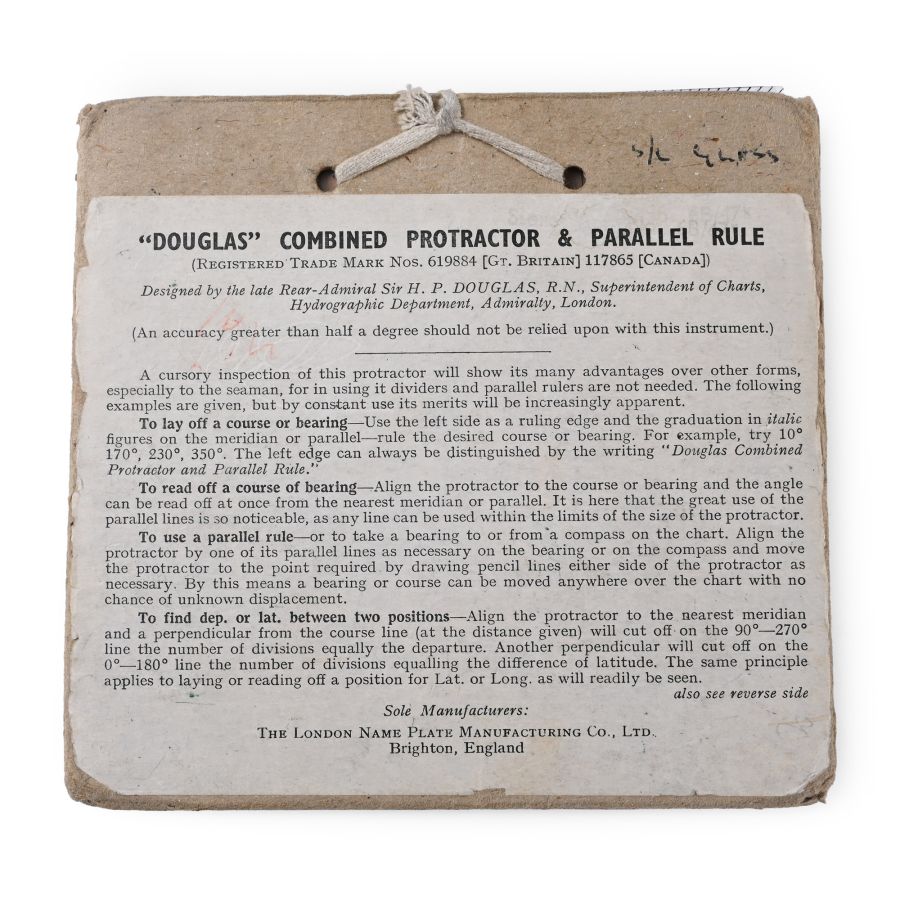
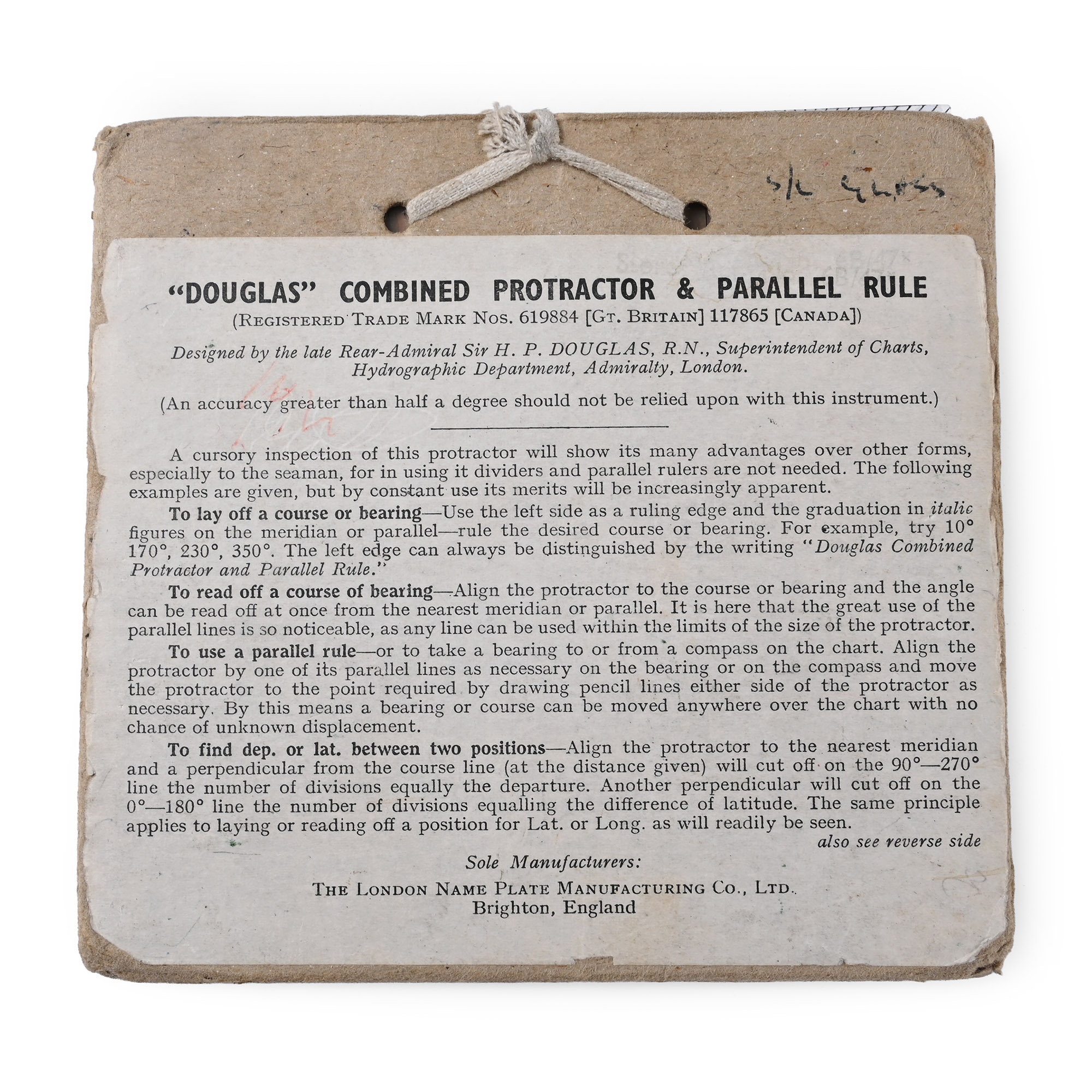
British RAF WWII Aircraft Navigator's Protractor
1939-1945 A.D.
5 1/8 x 5 3/8 in. (61 grams, case: 13 x 13.7 cm).
Perspex protractor and parallel rule in card sleeve with instructions for use and securing tape. [No Reserve]
ProvenanceAcquired on the UK art market.
Property of an Essex militaria collector.
TimeLine Auctions follows a vetting process to ensure the authenticity and legality of all items, reinforcing our commitment to integrity and responsible trading. Each antiquity, antique, and coin lot undergoes thorough examination by a vetting committee of at least ten external specialists, professional trade association members, scientists, and archaeologists: Our Vetting Process
AUCTIONS:
TimeLine is a leading auction house specialising in antiquities, ancient art, collectables, natural history, coins, medals, and books. Our auctions offer museums, collectors, historians, and enthusiasts the opportunity to acquire unique and historically significant pieces.
-

American Air Force WWII Bomber Aircraft Fuel Gauge and Cockpit Switch Group
1939-1945 A.D.Sold for (Inc. bp): £156
Comprising a fuel gauge in its casing, a bombardier pilot turn control switch, two on-and-off switches, and a case with three switches. 2.04 kg total, gauge: 14.5 cm
Acquired on the UK art market. Property of an Essex militaria collector. -

German WWII Gun Sight
Early 1940s A.D.Sold for (Inc. bp): £78
Of heavy construction with a hinged lens cap. 2.38 kg, 16.5 cm
Acquired on the UK art market. Property of an Essex militaria collector. -

Anglo-Zulu War Artefacts from the Battle of Khambula
Circa 29th March 1879 A.D.Sold for (Inc. bp): £124
A collection of fourteen Boxer .450 brass cartridge bullet cases, used in Martini-Henry rifles during the battle between British forces and the main Zulu army. 111 grams total, 16-34 mm
Found by local Zulu people living at Khambula, South Africa, 1990s-early 2000s. Ian Wilkinson collection, Nottinghamshire, UK, formed since 1985.
The battle resulted in a heavy defeat for the Zulus, who had been full of confidence from their earlier victories against the British at Isandlwana and Hlobane.
