
Loading, please wait...
LOT 2412
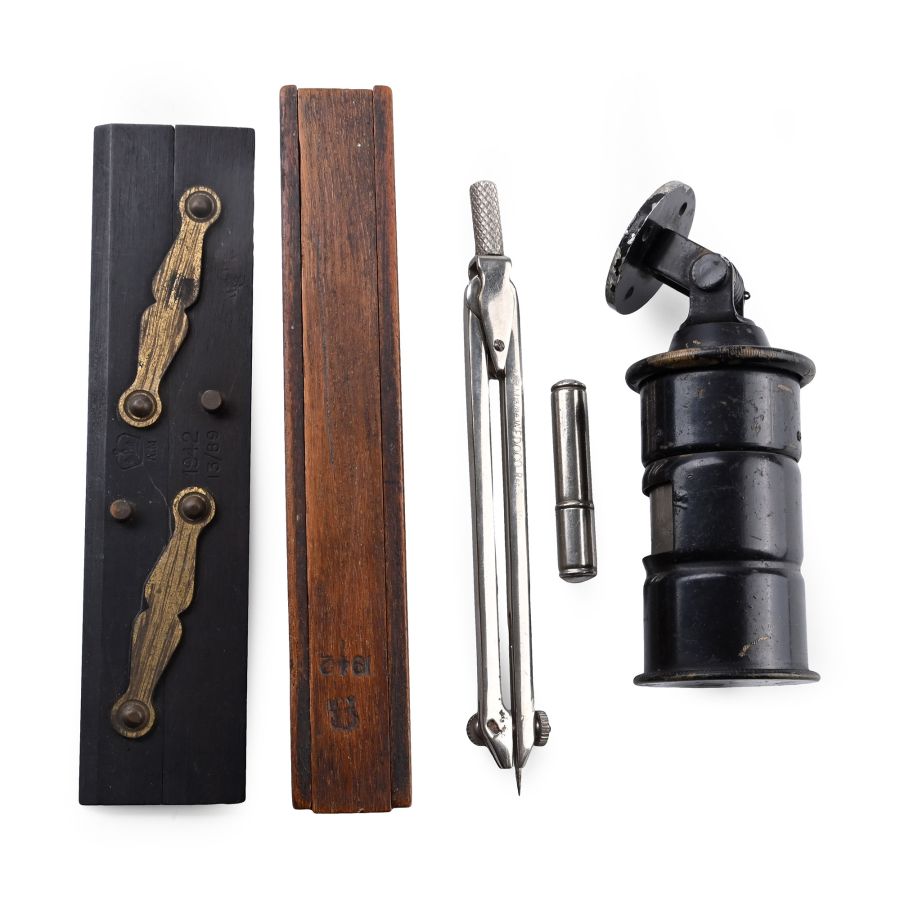
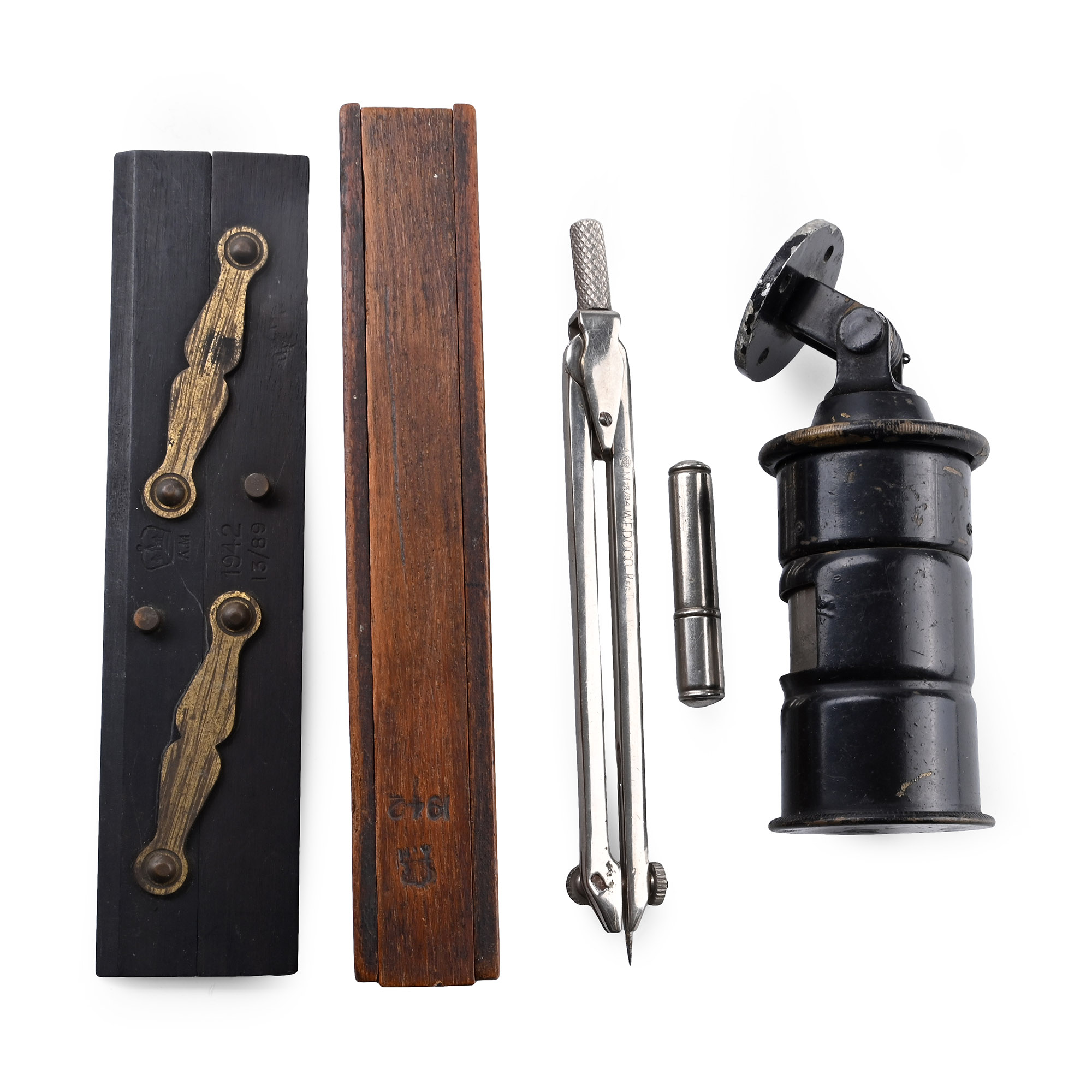
British RAF WWII Aircraft Navigator's Compass and Map Lamp Etc
1939-1945 A.D.
4 3/8 - 6 1/4 in. (332 grams total, 11.2-15.9 cm).
Comprising: a metal compass in a wooden container stamped 1942, and accompanied by a container for lead infills; an ebony and brass parallel ruler stamped 1942 13/89; and a lamp with a rotating lamp housing. [3, No Reserve]
ProvenanceAcquired on the UK art market.
Property of an Essex militaria collector.
TimeLine Auctions follows a vetting process to ensure the authenticity and legality of all items, reinforcing our commitment to integrity and responsible trading. Each antiquity, antique, and coin lot undergoes thorough examination by a vetting committee of at least ten external specialists, professional trade association members, scientists, and archaeologists: Our Vetting Process
AUCTIONS:
TimeLine is a leading auction house specialising in antiquities, ancient art, collectables, natural history, coins, medals, and books. Our auctions offer museums, collectors, historians, and enthusiasts the opportunity to acquire unique and historically significant pieces.
LOT 2412
British RAF WWII Aircraft Navigator's Compass and Map Lamp Etc
Sold for (Inc. bp): £130
-
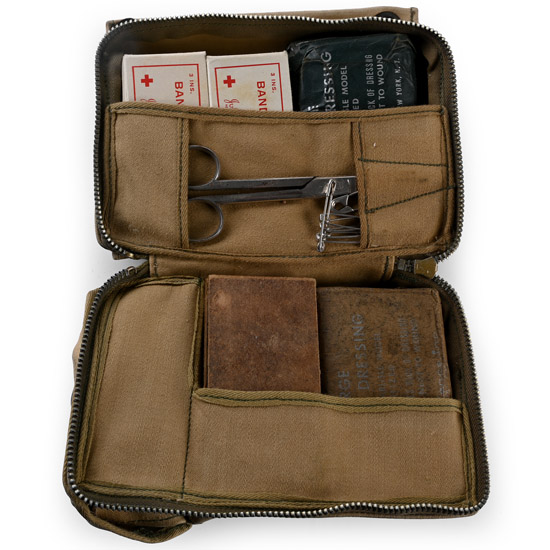
American Airforce WWII First Aid Kit in Original Container
1939 A.D.Sold for (Inc. bp): £104
Canvas holder with zip and securing tab; internal pockets with contents in card boxes, scissors and other items; marked to outside 'Kit First Aid Aeronautic U.S.' with red cross on white square. 779 grams, 18.5 x 10 cm
Acquired on the UK art market. Property of an Essex militaria collector. -
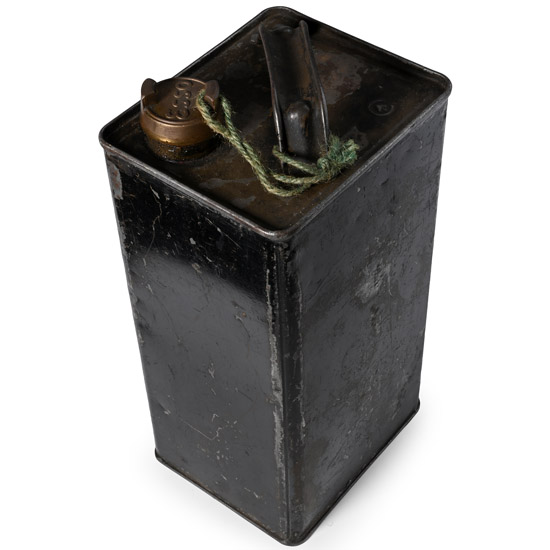
British WWII Bren Gun Carrier Oil Canister
1943 A.D.Sold for (Inc. bp): £20
With faint lettering to one side reading 'OIL', screw cap with 'ESSO'. 951 grams, 31 cm
Acquired on the UK art market. Property of an Essex militaria collector. -
.jpg)
German Third Reich SA Dagger by Julius Bahrl Jr.Solingen
1933 A.D.Estimate: £600 - 800 (+bp*)
Opening Bid: £300
Comprising a broad blade with inscription 'Alles für Deutschland' ('everything for Germany') and maker's mark 'Julius Bahrl Jr., Solingen', slightly curved hilt, wooden grip bearing inset logo of eagle and swastika within a ring; sheath with attachment hoop and knob at scabbard chape. 444 grams, 37.5 cm
From the private collection of a Colchester, UK, gentleman. FOR COLLECTION FROM OUR PREMISES IN HARWICH ONLY.
The Julius Bahrl Jr. steel goods factory from Solingen-Merscheid is among the smaller Solingen makers that are only partially documented today. A verified founding year is not clearly preserved in the sources; however, the company is known to have been active in the early 1930s. This dagger is an Early Model 1933 SA Dagger (Sturmabteilung Dienstdolch).
