
Loading, please wait...
![Box of Over One Hundred [100+] Blue Sodalite Specimens](https://timelineauctions.com/zoom_images/zoomthumb/2/5/256041_900x900.jpg "Box of Over One Hundred [100+] Blue Sodalite Specimens")
![Box of Over One Hundred [100+] Blue Sodalite Specimens](https://timelineauctions.com/zoom_images/zoommap/2/5/256041_200x200.jpg "Box of Over One Hundred [100+] Blue Sodalite Specimens")
![Box of Over One Hundred [100+] Blue Sodalite Specimens](https://timelineauctions.com/upload/images/items/256041.jpg "Box of Over One Hundred [100+] Blue Sodalite Specimens")
LOT 2342
Box of Over One Hundred [100+] Blue Sodalite Specimens
1/4 - 2 3/8 in. (2.01 kg total, 7-59 mm).
Boxed group of unpolished dark blue sodalite specimens with white calcite veins. [No Reserve]
ProvenanceFrom Brazil.
Ex Mineral Imports, London, UK.
Gregory, Bottley & Lloyd (Gregory's), Harwich, UK.
TimeLine Auctions follows a vetting process to ensure the authenticity and legality of all items, reinforcing our commitment to integrity and responsible trading. Each antiquity, antique, and coin lot undergoes thorough examination by a vetting committee of at least ten external specialists, professional trade association members, scientists, and archaeologists: Our Vetting Process
AUCTIONS:
TimeLine is a leading auction house specialising in antiquities, ancient art, collectables, natural history, coins, medals, and books. Our auctions offer museums, collectors, historians, and enthusiasts the opportunity to acquire unique and historically significant pieces.
-
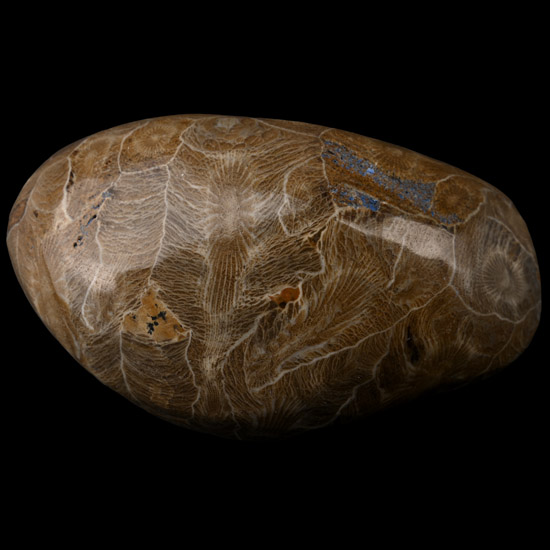
Polished Fossil Coral Head
Devonian Period, circa 417-354 million years B.P.Sold for (Inc. bp): £91
Rounded specimens showing the internal structure of coral. 216 grams, 78 mm
From a Cambridgeshire, UK, collection. -
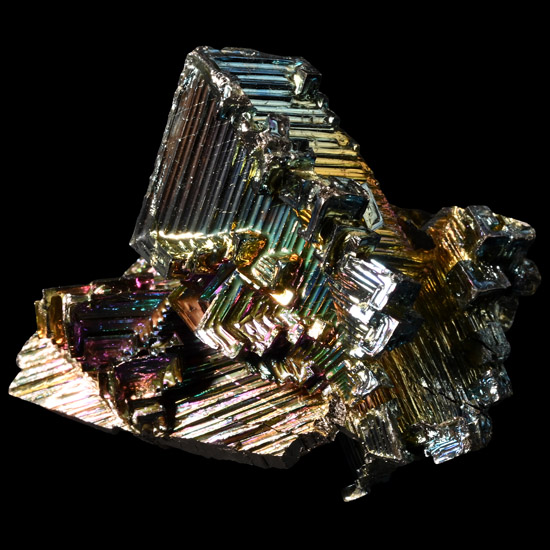
Bismuth Crystal Display Formation
Sold for (Inc. bp): £20
Cluster of hopper crystals exhibiting a stairstep crystal structure and iridescent colours. 21 grams, 36 mm
From a Cambridgeshire, UK, collection. -
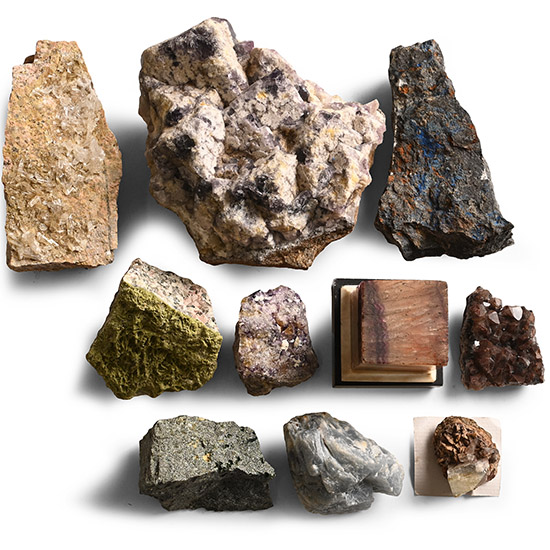
Mixed Ireland, Scotland and English Crystal and Mineral Specimen Group
Sold for (Inc. bp): £39
Comprising: quartz from Cloghmore Quarry, Costelloe, Galway, Ireland; smoky quartz and hematite from Auchinloch Quarry, Dalbeattie, Dumfries, Scotland; baryte from Mowbray Mone, Frizington, Cumbria; pumpellyite from Creag Brimishgan, Isle of Mull, Scotland; fluorite from Mildam Mine, Great Hucklow, Derbyshire; fluorite from Greenlaws Mine, Daddry Sheild, Weardale, Durham; epidote from Cloghmore Quarry, Costelloe, Galway, Ireland; baryte and dolomite from Frizington, Cumbria; azurite from Gortdrum Mine, Monard, Tipperar, Ireland; Blue John on a display stand from Treak Cliff, Castleton, Derbyshire. 3.35 kg total including box, 3.8-12.3 cm
From the property of a Cornwall, UK, gentleman.
