
Loading, please wait...
LOT 1600
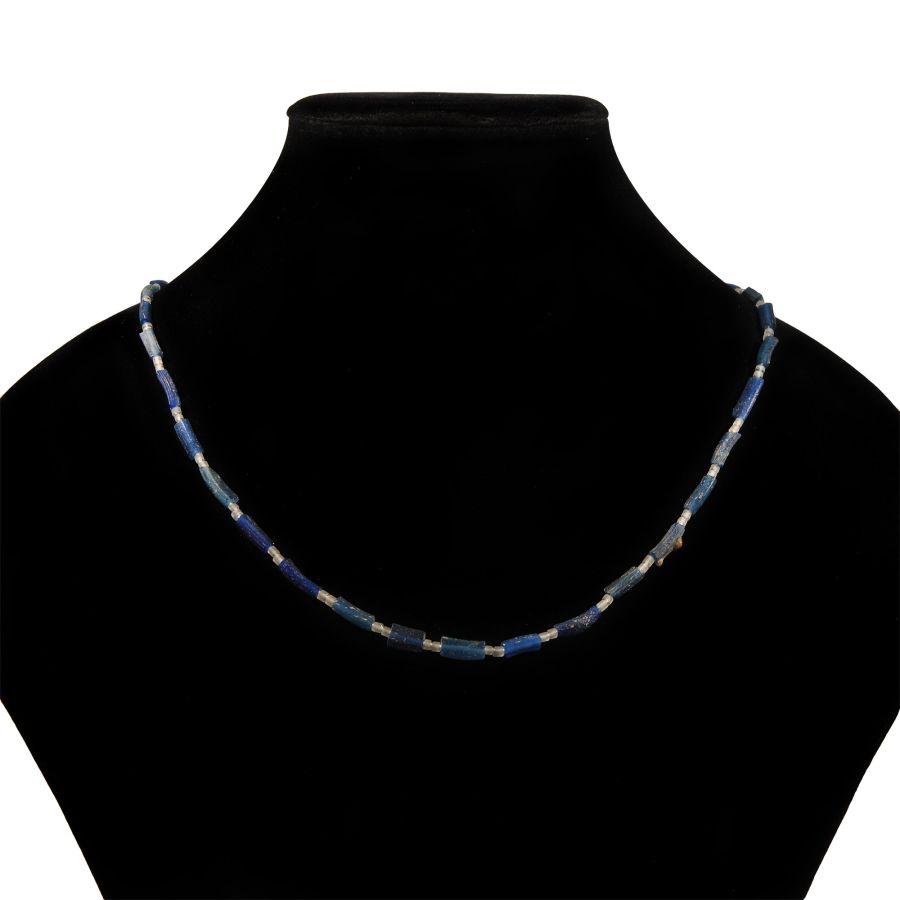
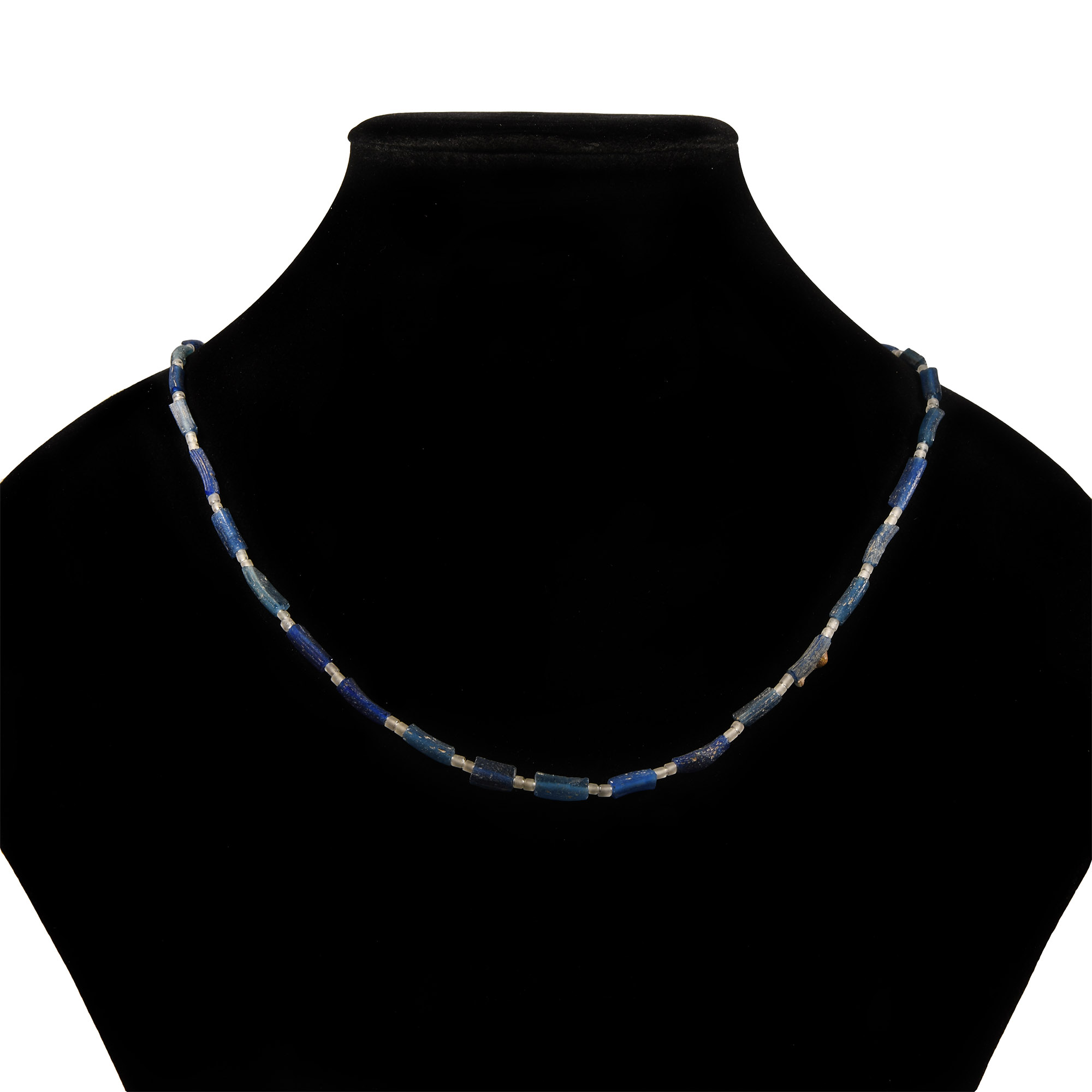
Blue Glass Bead Necklace String
20TH CENTURY A.D. OR EARLIER
28 3/8 in. (8.9 grams, 72 cm long).
Restrung; composed of translucent blue glass beads interspersed with clear glass spacer beads. [No Reserve]
ProvenanceUK gallery, early 2000s.
CONDITIONTimeLine Auctions follows a vetting process to ensure the authenticity and legality of all items, reinforcing our commitment to integrity and responsible trading. Each antiquity, antique, and coin lot undergoes thorough examination by a vetting committee of at least ten external specialists, professional trade association members, scientists, and archaeologists: Our Vetting Process
AUCTIONS:
TimeLine is a leading auction house specialising in antiquities, ancient art, collectables, natural history, coins, medals, and books. Our auctions offer museums, collectors, historians, and enthusiasts the opportunity to acquire unique and historically significant pieces.
-
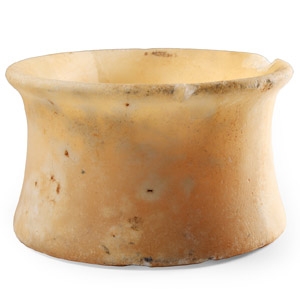
Bactrian Style Alabaster Jar
20th century A.D.Sold for (Inc. bp): £46
Squat jar with gussetted sidewall, rounded rim. 1.3 kg, 14 cm wide
Property of a North London, UK, gentleman. -
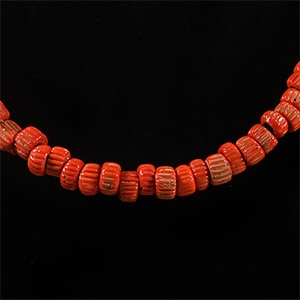
Post Medieval or Later Red Glass Bead Necklace String
19th-20th century A.D.Sold for (Inc. bp): £16
Comprising vibrant irregular red glass oblate beads. 73 grams, 54 cm long
UK gallery, early 2000s. -
.jpg)
Russian Orthodox Painted Icon
19th century A.D.Estimate: £150 - 200 (+bp*)
Opening Bid: £75
Depicting the Virgin holding the Christ on her lap on a gilt background, both nimbate; the Virgin wearing a red maphorion embellished with golden embroidery, green himation underneath; the Christ seated on her lap, holding his right arm out and making the blessing sign with his hands; Greek inscription 'ΜΡ ΘΥ' for 'Mother of God' flanking the Virgin's halo, 'IC XC' for 'Jesus Christ' above the Child, further text to the left of the Virgin. 214 grams, 17.7 x 13.7 cm
Acquired from Derby Antiques Fair, in 2002. Property of a Nottinghamshire gentleman.
