
LOT 3169
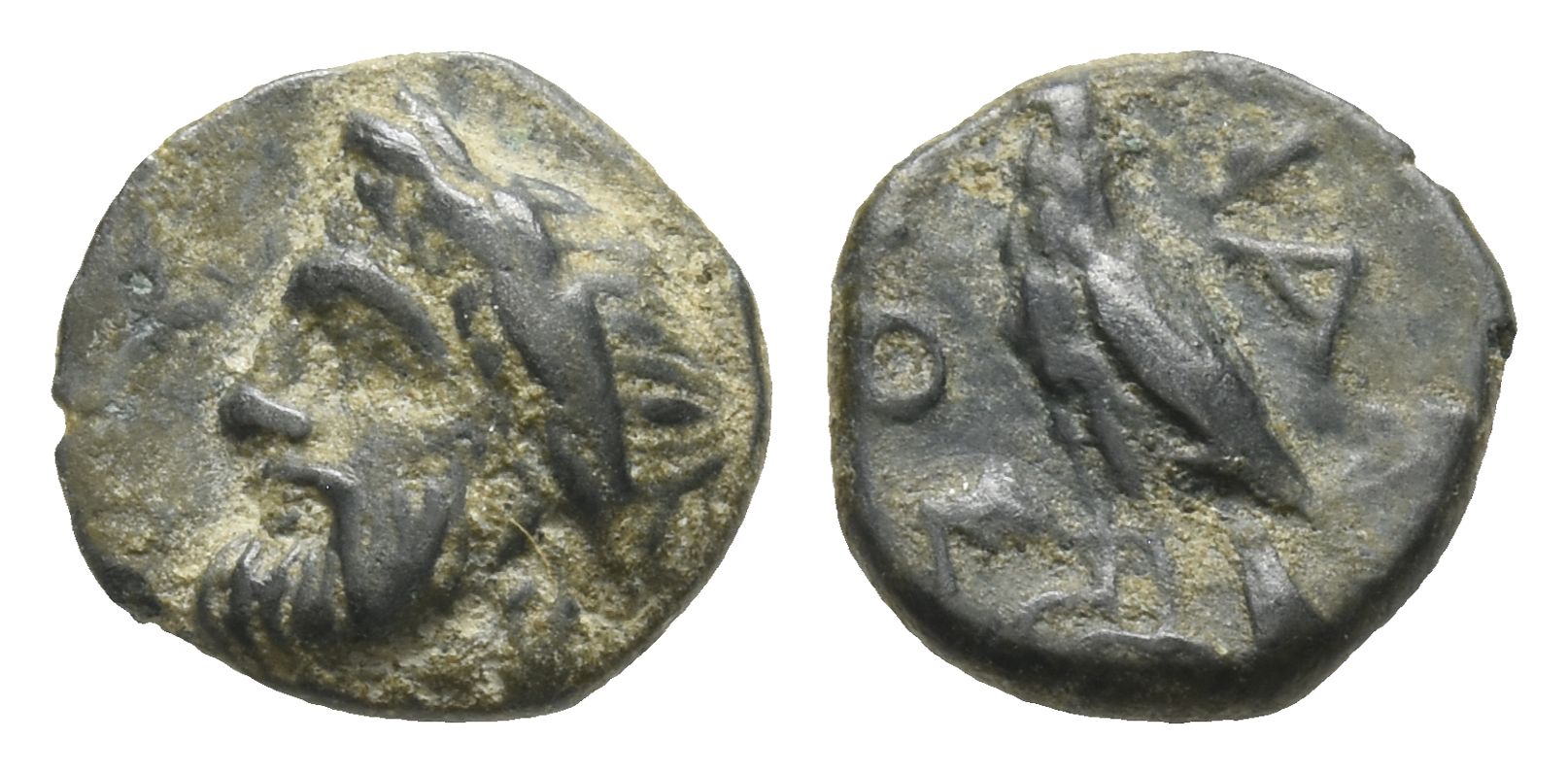
Bithynia, Tium AE 10mm. Circa 350-300 BC.
Laureate head of Zeus to left / TIANOΣ, eagle standing to left with closed wings. SNG Tübingen 2151. Very Fine.(0.86gr, 10mm, 3h.).
ProvenanceAcquired on the European coin market.
Property of a Kent, UK, gentleman.
Tium is known as the birthplace of Philetaeros, the founder of the royal dynasty of Pergamon.
TimeLine Auctions follows a vetting process to ensure the authenticity and legality of all items, reinforcing our commitment to integrity and responsible trading. Each antiquity, antique, and coin lot undergoes thorough examination by a vetting committee of at least ten external specialists, professional trade association members, scientists, and archaeologists: Our Vetting Process
AUCTIONS:
TimeLine is a leading auction house specialising in antiquities, ancient art, collectables, natural history, coins, medals, and books. Our auctions offer museums, collectors, historians, and enthusiasts the opportunity to acquire unique and historically significant pieces.
-
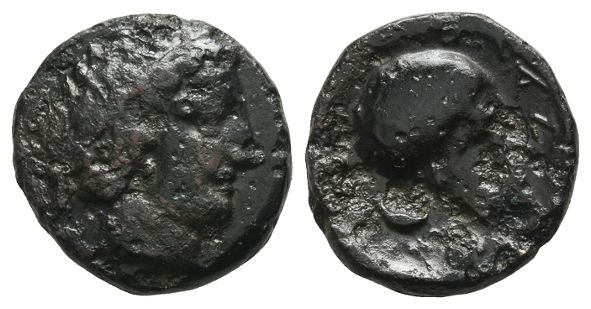
Macedon, Skione AE 19mm. Circa 400-350 BC.
Sold for (Inc. bp): £13
Male head to right, wearing tainia / Corinthian helmet to right. Cf. AMNG III/2, 7; HGC 3, 681. 5.03gr, 19mm, 7h.
Near Very Fine.
Acquired on the European coin market. Property of a Kent, UK, gentleman. -
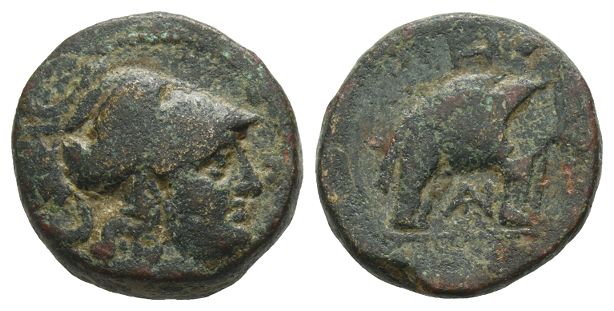
Seleukid Empire, Seleukos I Nikator AE 20mm. Struck circa 296/5-281 BC. Seleukeia I mint.
Sold for (Inc. bp): £52
Helmeted head of Athena to right / Elephant standing to right; monograms above and below. SC 128. 8.66gr, 20mm, 12h.
Near Very Fine.
Acquired on the UK art market. From the collection of Mr Carlos Bahamonde, Manchester, UK. -
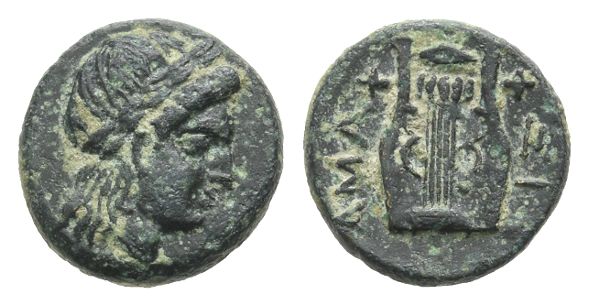
Troas, Hamaxitos AE 11mm. Circa 400-300 BC.
Sold for (Inc. bp): £48
Laureate head of Apollo to right / ΑΜΑ-ΞΙ, lyre. SNG von Aulock 7601; SNG Copenhagen 342. 1.44gr, 11mm, 7h.
Good Very Fine. Rare city.
Acquired on the European coin market. Property of a Kent, UK, gentleman.
According to Aelian, the inhabitants of Hamaxitus worshipped mice, and for this reason called Apollo, their chief divinity, Smintheus (='mouse' in the Aeolian dialect).
