
Loading, please wait...
LOT 2458
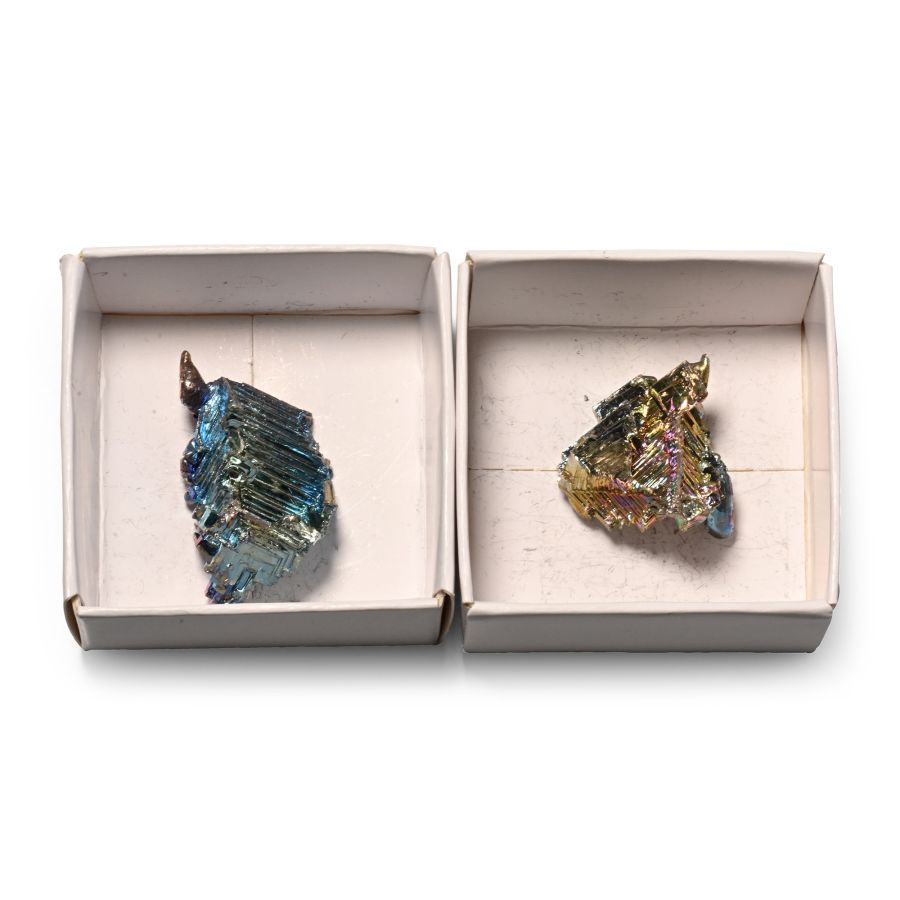
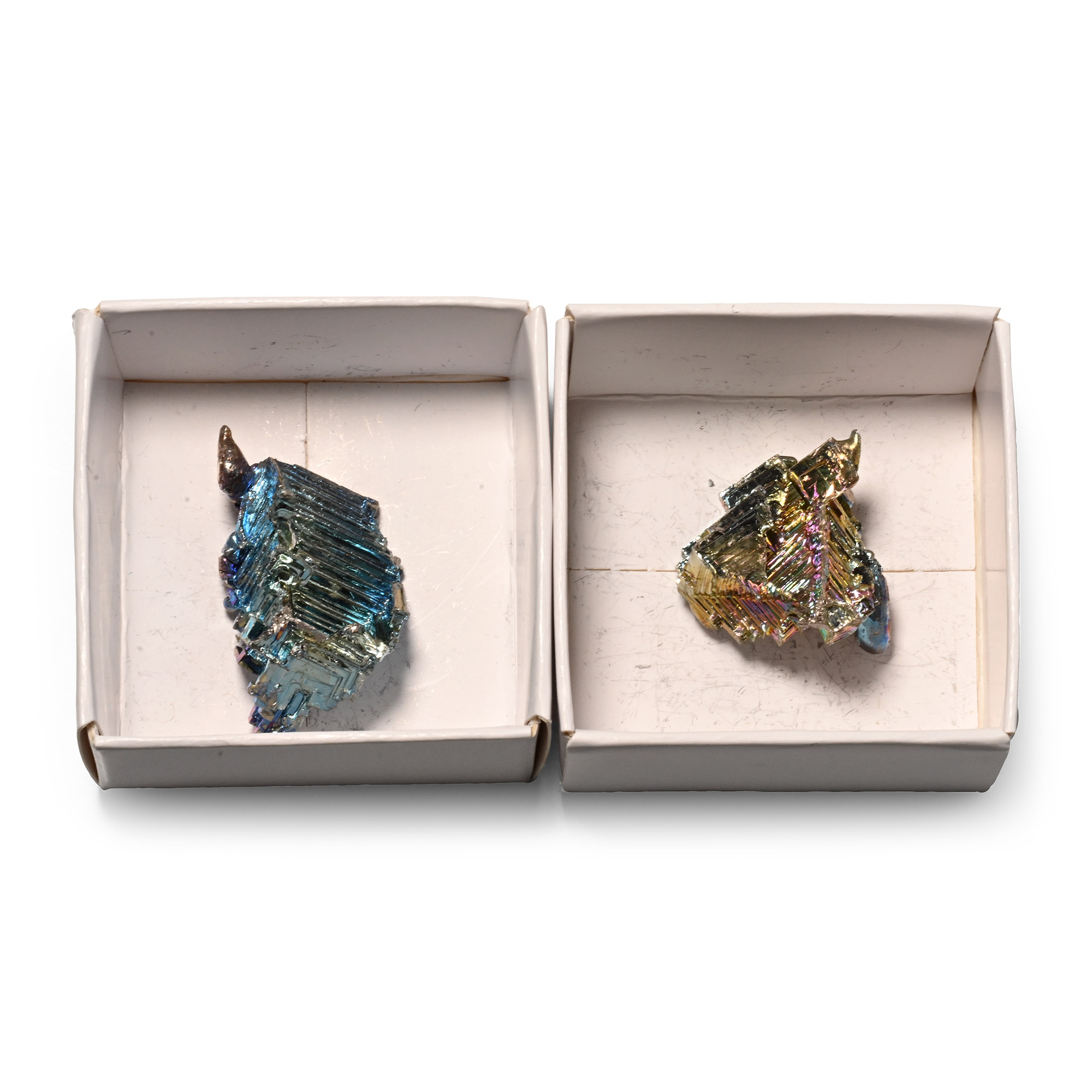
Bismuth Specimen Pair
1 - 1 1/4 in. (49 grams total, 28-33 mm).
Comprising two hopper crystals exhibiting stairstep crystal structure and iridescent colours. [2, No Reserve]
ProvenanceFrom a Cambridgeshire, UK, collection.
CONDITIONTimeLine Auctions follows a vetting process to ensure the authenticity and legality of all items, reinforcing our commitment to integrity and responsible trading. Each antiquity, antique, and coin lot undergoes thorough examination by a vetting committee of at least ten external specialists, professional trade association members, scientists, and archaeologists: Our Vetting Process
AUCTIONS:
TimeLine is a leading auction house specialising in antiquities, ancient art, collectables, natural history, coins, medals, and books. Our auctions offer museums, collectors, historians, and enthusiasts the opportunity to acquire unique and historically significant pieces.
-
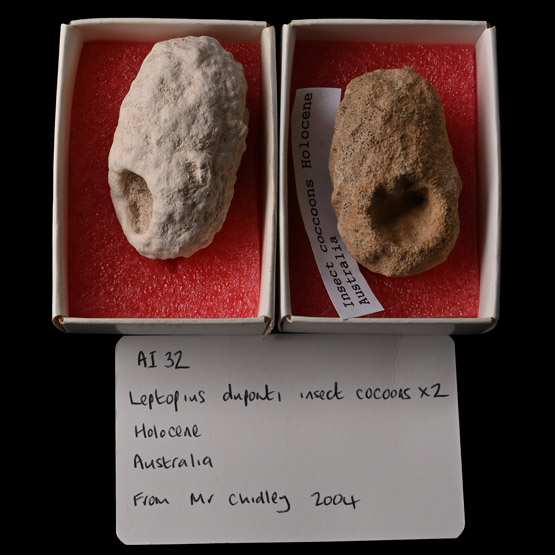
Australian Fossil Insect Cocoon Pair
Holocene Period, from 11,700 B.P.Sold for (Inc. bp): £20
Two insect cocoons from Leptopius duponti, each with a characteristic opening. 121 grams total, 53-57 mm
From Australia. From the private collection of Kenneth Machin (1936-2020), Buckinghamshire, UK; his collection of antiquities and natural history was formed since 1948; thence by descent. -
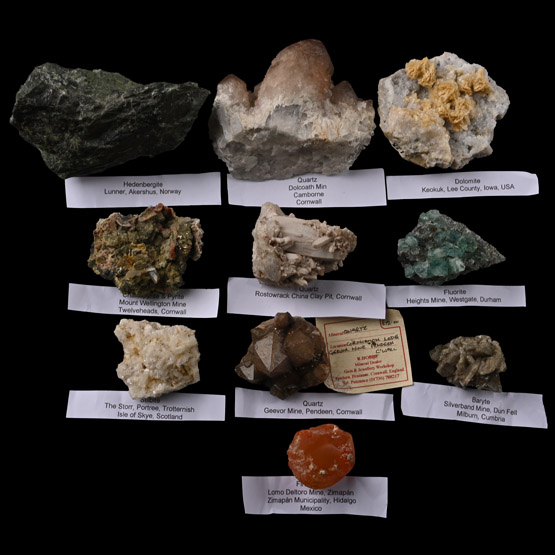
Mixed Crystal and Mineral Specimen Group
Sold for (Inc. bp): £46
Comprising: fire opal from Lomo Deltoro Mine, Zimapan, Zimapan Municipality, Hidalgo, Mexico; quartz from Geevor Mine, Pendeen, Cornwall; stilbite from the Storr, Portree, Trotternish, Isle of Skye, Scotland; baryte from Silverband Mine, Dun Fell, Milburn, Cumbria; quartz from Rostowrack China Clay pit, Cornwall; chalcopyrite and pyrite from Mount Wellington Mine, Twelveheads, Cornwall; hedenbergite from Lunner, Akershus, Norway; dolomite from Keokuk, Lee County, Iowa, USA; fluorite from Heights Mine, Westgate, Durham; quartz from Dolcoath Mine, camborne, Cornwall. 1.1 kg total, 3.5-10.4 cm
From the property of a Cornwall, UK, gentleman. -
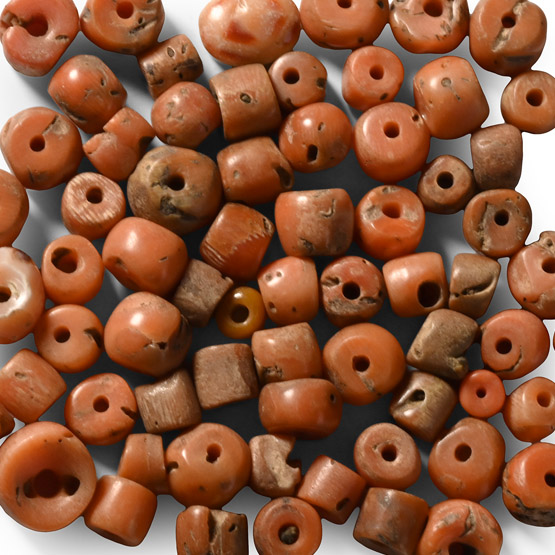
Collection of Orange Coral Beads
Sold for (Inc. bp): £46
Comprising mainly cylindrical and oblate beads. 18.3 grams total, 4-8 mm
Private collection, London, UK.
