
Loading, please wait...
LOT 2114
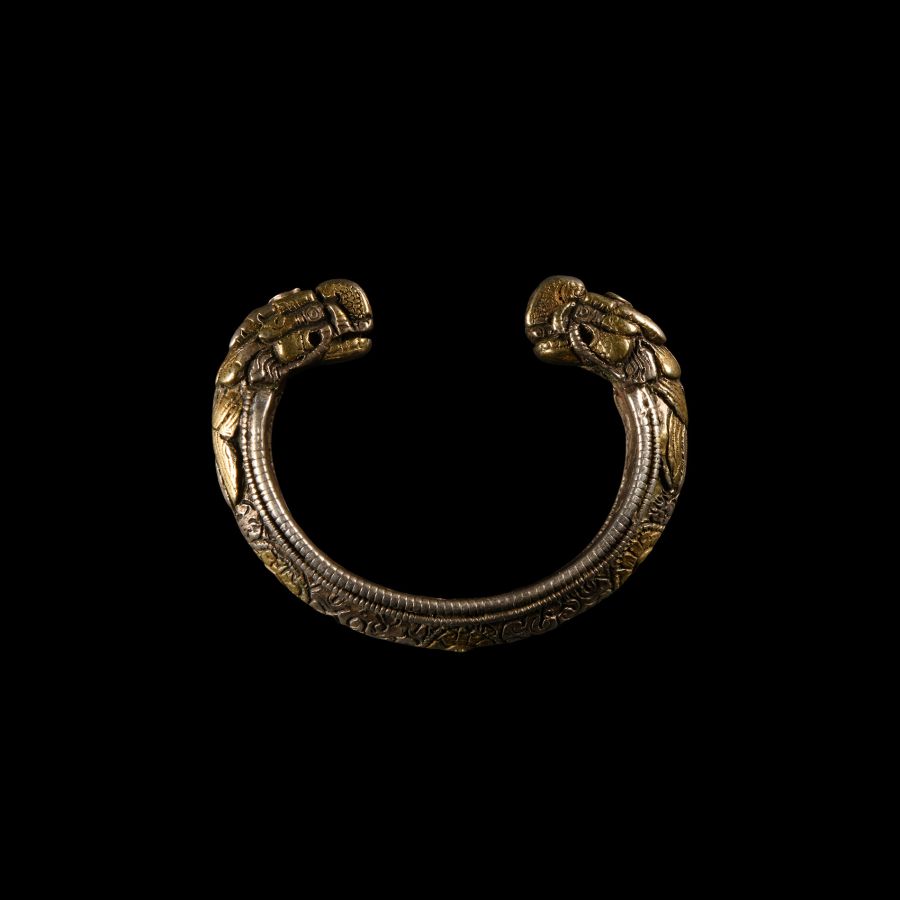
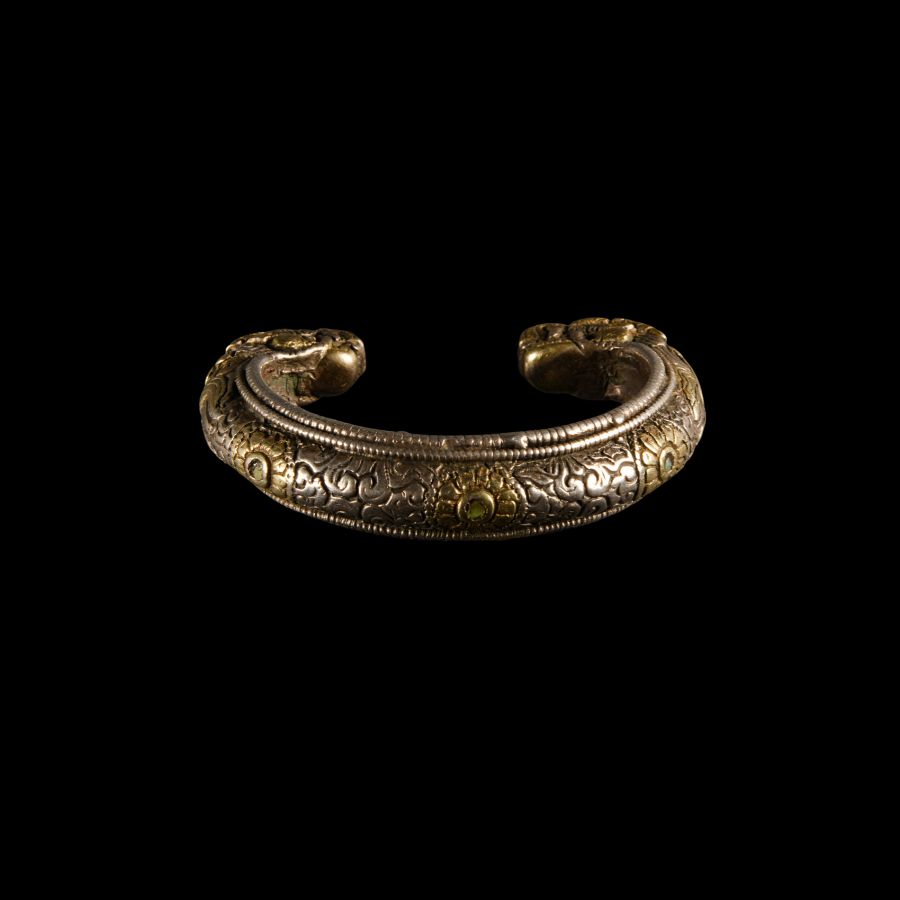
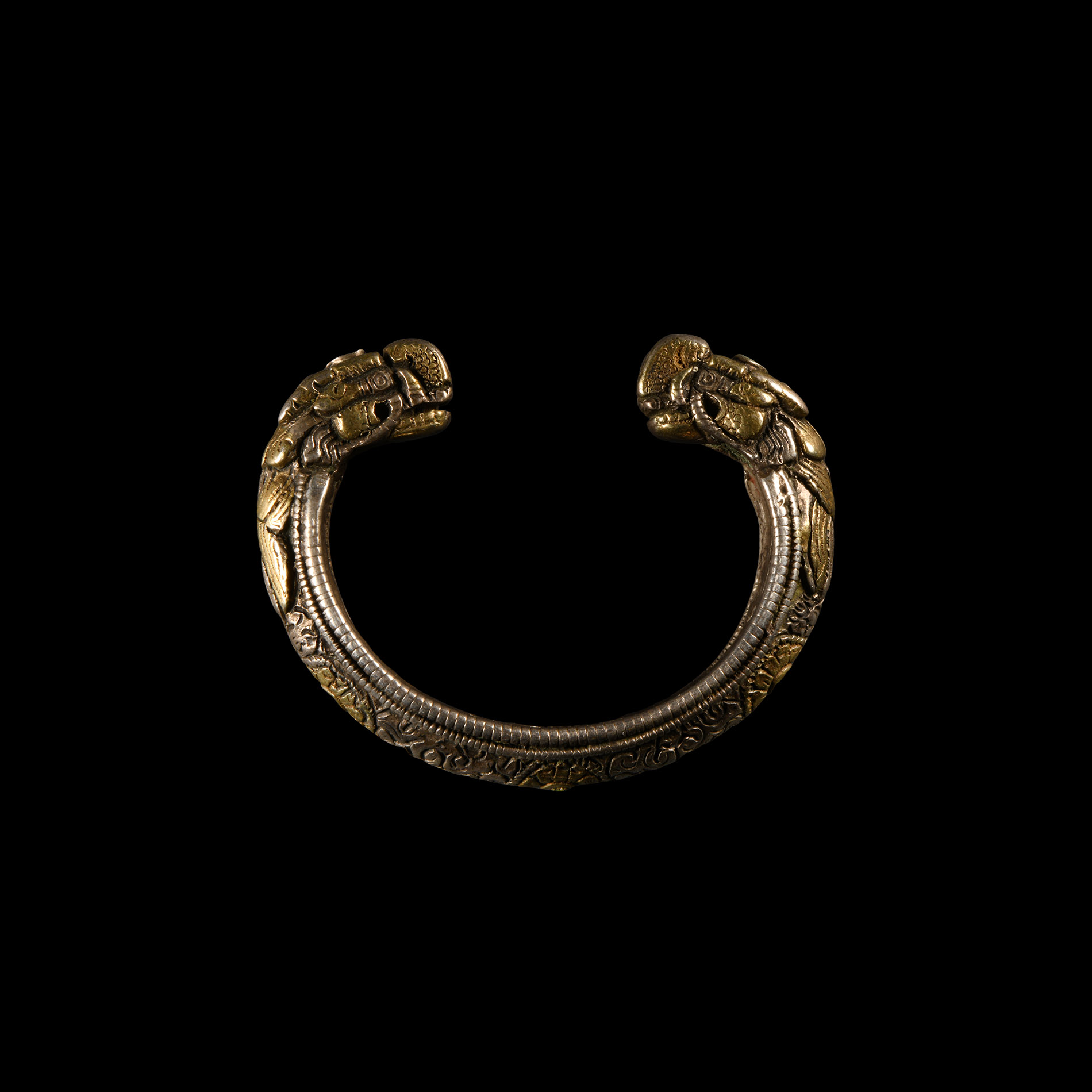
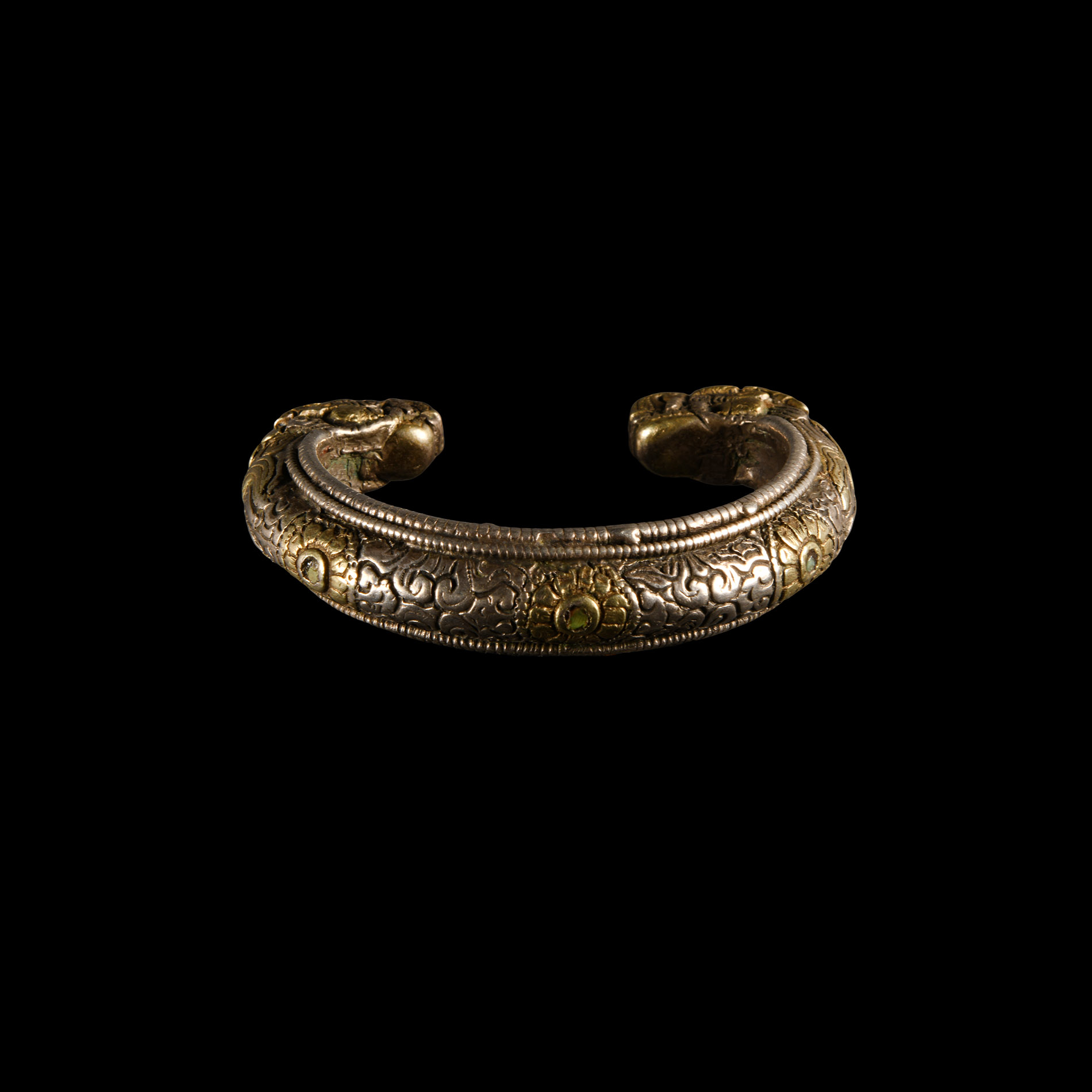
Bhutan Part Gilded Bracelet with Dragon Terminals
MID 20TH CENTURY A.D.
3 in. (140 grams, 77 mm).
The penannular body with dragon-head terminals formed in the round, the body decorated with floral roundels punctuated by scrolling tendrils. [No Reserve]
ProvenanceAcquired Germany.
Property of RWM Collection.
TimeLine Auctions follows a vetting process to ensure the authenticity and legality of all items, reinforcing our commitment to integrity and responsible trading. Each antiquity, antique, and coin lot undergoes thorough examination by a vetting committee of at least ten external specialists, professional trade association members, scientists, and archaeologists: Our Vetting Process
AUCTIONS:
TimeLine is a leading auction house specialising in antiquities, ancient art, collectables, natural history, coins, medals, and books. Our auctions offer museums, collectors, historians, and enthusiasts the opportunity to acquire unique and historically significant pieces.
-
Chinese Han Ceramic Animal Figure Group
Han Dynasty, 206 B.C.-220 A.D. or laterSold for (Inc. bp): £117
Including a horse, coiled snake and cattle animal, all with stylised anatomical detailing. 750 grams total, 7-11 cm
Acquired 1990s-early 2000s. East Anglian private collection.
The popularisation of these models of daily life called mingqi over the course of the Han Dynasty (206 B.C.-220 A.D.) reflects dramatic changes in Chinese society. They are an exemplification of how power circulated beyond the imperial government and nobility to a broader bureaucratic classes, that looked for gratification for themselves and their families in the afterlife with clay, fashioned into models ranging from crude earthenware to fine glazed stoneware. -
South East Asian Large Gold Repousse Fruit-Shaped Earrings
Circa 17th-18th century A.D.Estimate: £700 - 900 (+bp*)
Opening Bid: £350
Each with a substantial hook, gold rosette appliqué with filigree detailing, granulated piriform bulb. 35 grams total, 93-95 mm
From the private collection of the late Mr S.M., London, UK, 1969-1999; thence by descent. -
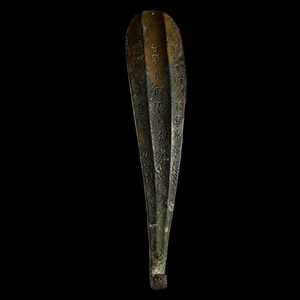
Chinese Han Dynasty Bronze Belt Hook with Inscription
Han Dynasty, 206 B.C.-220 A.D. or laterEstimate: £700 - 900 (+bp*)
Opening Bid: £350
Fluted teardrop shape with hooked narrow end, fixing stud to the reverse, three columns of later stamped text to the face. 111 grams, 18 cm
From an important West Country collection, 1980s.
