
Loading, please wait...
LOT 1225
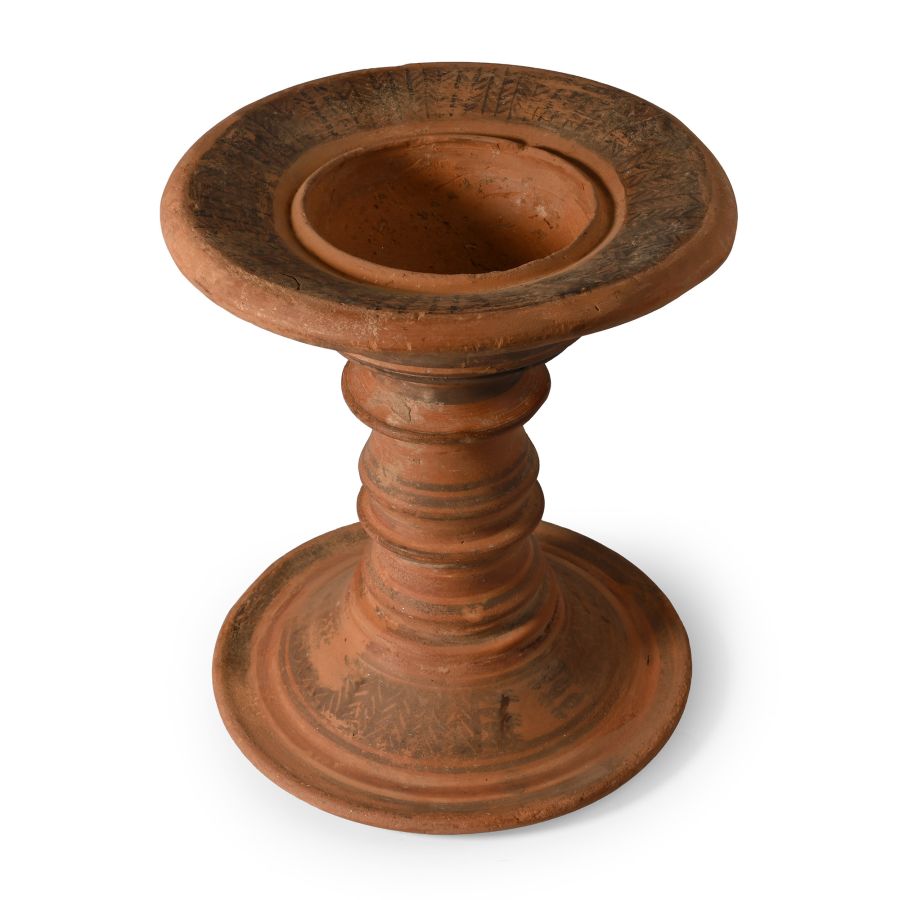
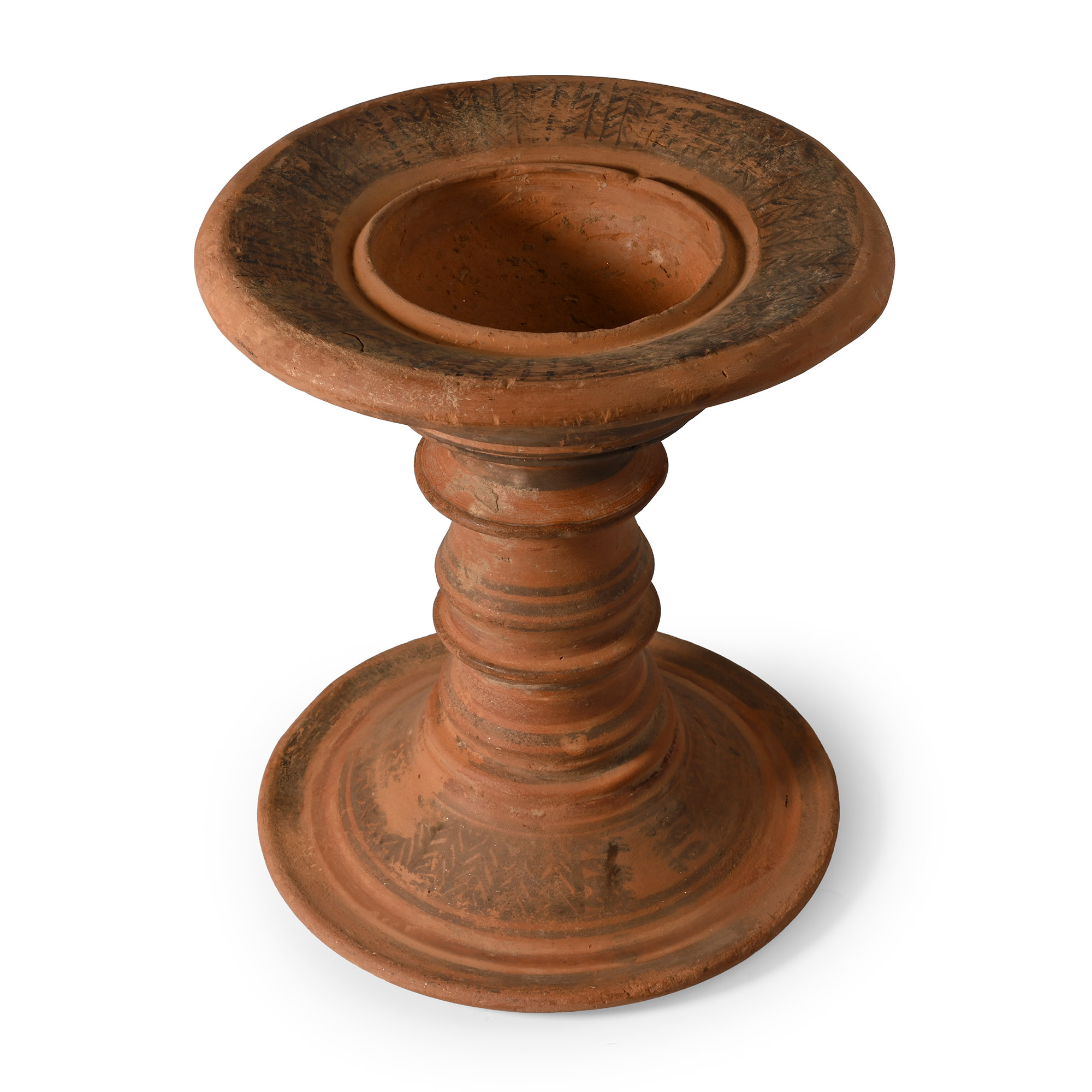
Bactrian Terracotta Vessel Stand
1ST MILLENNIUM B.C.
8 1/2 in. (1.67 kg, 21.5 cm high).
With flange rim, flared base, stem with collars, and some painted decoration to the rim and neck.
ProvenanceEx Abelita family collection, 1980s-2000s.
CONDITIONTimeLine Auctions follows a vetting process to ensure the authenticity and legality of all items, reinforcing our commitment to integrity and responsible trading. Each antiquity, antique, and coin lot undergoes thorough examination by a vetting committee of at least ten external specialists, professional trade association members, scientists, and archaeologists: Our Vetting Process
AUCTIONS:
TimeLine is a leading auction house specialising in antiquities, ancient art, collectables, natural history, coins, medals, and books. Our auctions offer museums, collectors, historians, and enthusiasts the opportunity to acquire unique and historically significant pieces.
LOT 1225
Bactrian Terracotta Vessel Stand
Estimate £120 - 170€140 - 200 (for guidance only)$160 - 230 (for guidance only)
-
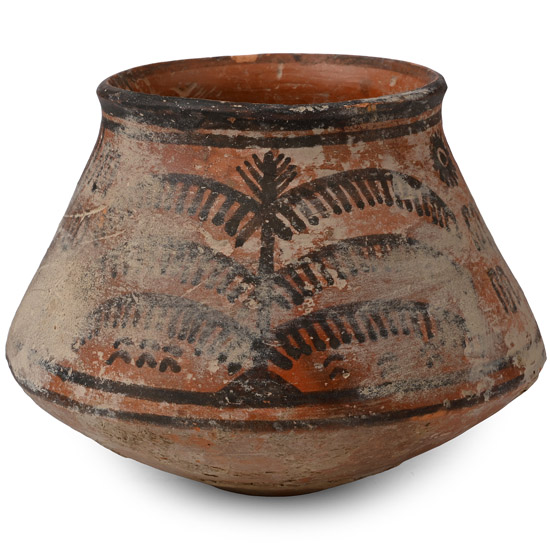
Indus Valley Terracotta Vessel with Zebu and Palm
3rd millennium B.C.Sold for (Inc. bp): £182
Biconical vessel with a narrow foot, painted zebu before a small tree on one side and the other side with a large palm tree. 376 grams, 13.5 cm
Ex Abelita collection, 1990s. -
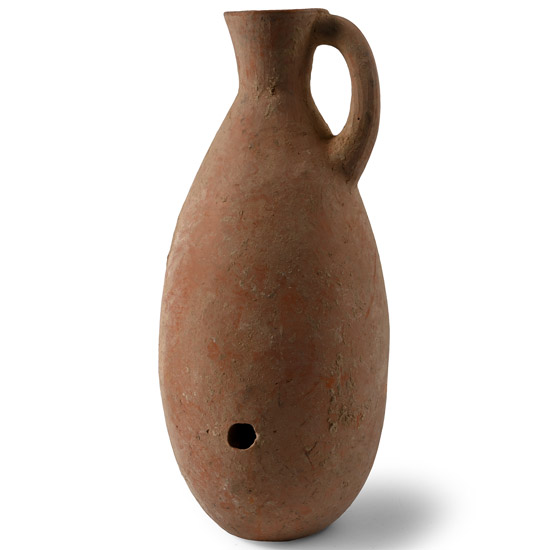
Amlash Tall Terracotta Jug
1st millennium B.C.Estimate: £80 - 100 (+bp*)
Opening Bid: £44
An elongated ovoid body with a flat base and trumpet-shaped neck, with a handle to the rear. 545 grams, 23.5 cm
Acquired on the UK art market before 2000. Property of an Essex, UK, gentleman. -
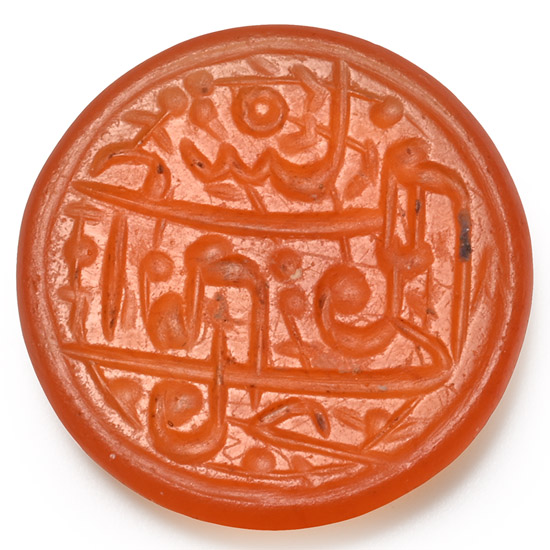
Western Asiatic Engraved Carnelian Calligraphic Intaglio
Late 19th-20th century A.D.Sold for (Inc. bp): £65
A circular intaglio with a two-line inscription; supplied with a museum-quality impression. 1.67 grams, 16 mm
Acquired in the late 1980s-early 1990s. Private collection, London.
