
Loading, please wait...
LOT 2041
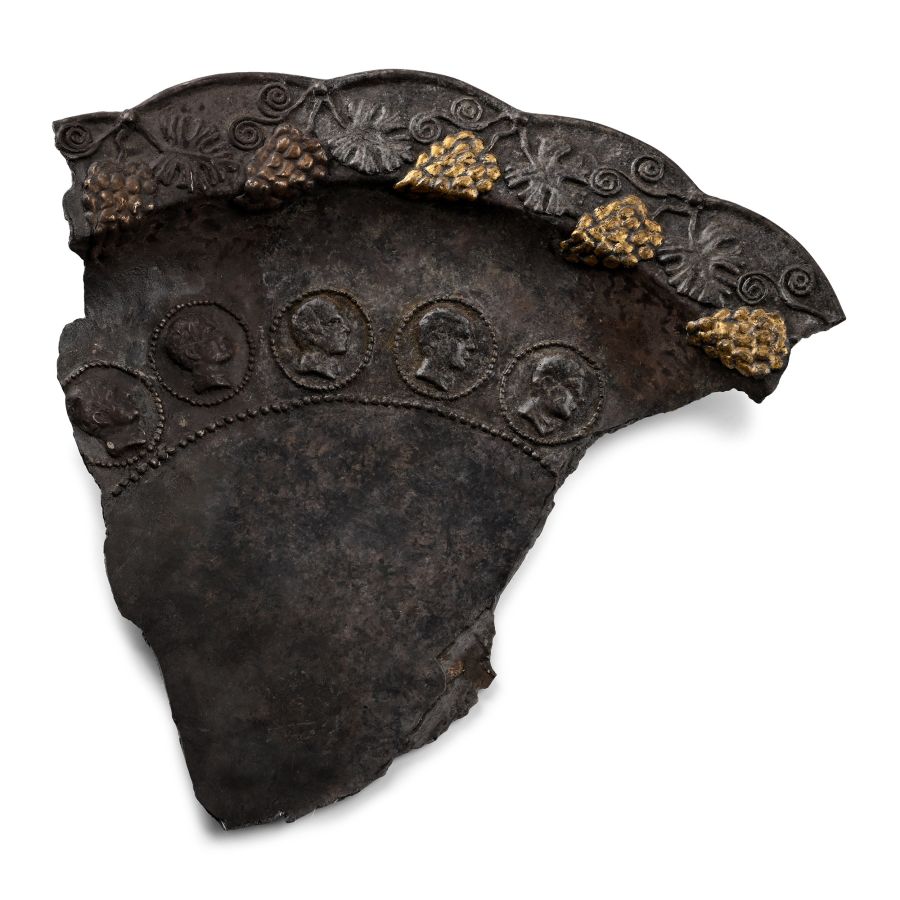
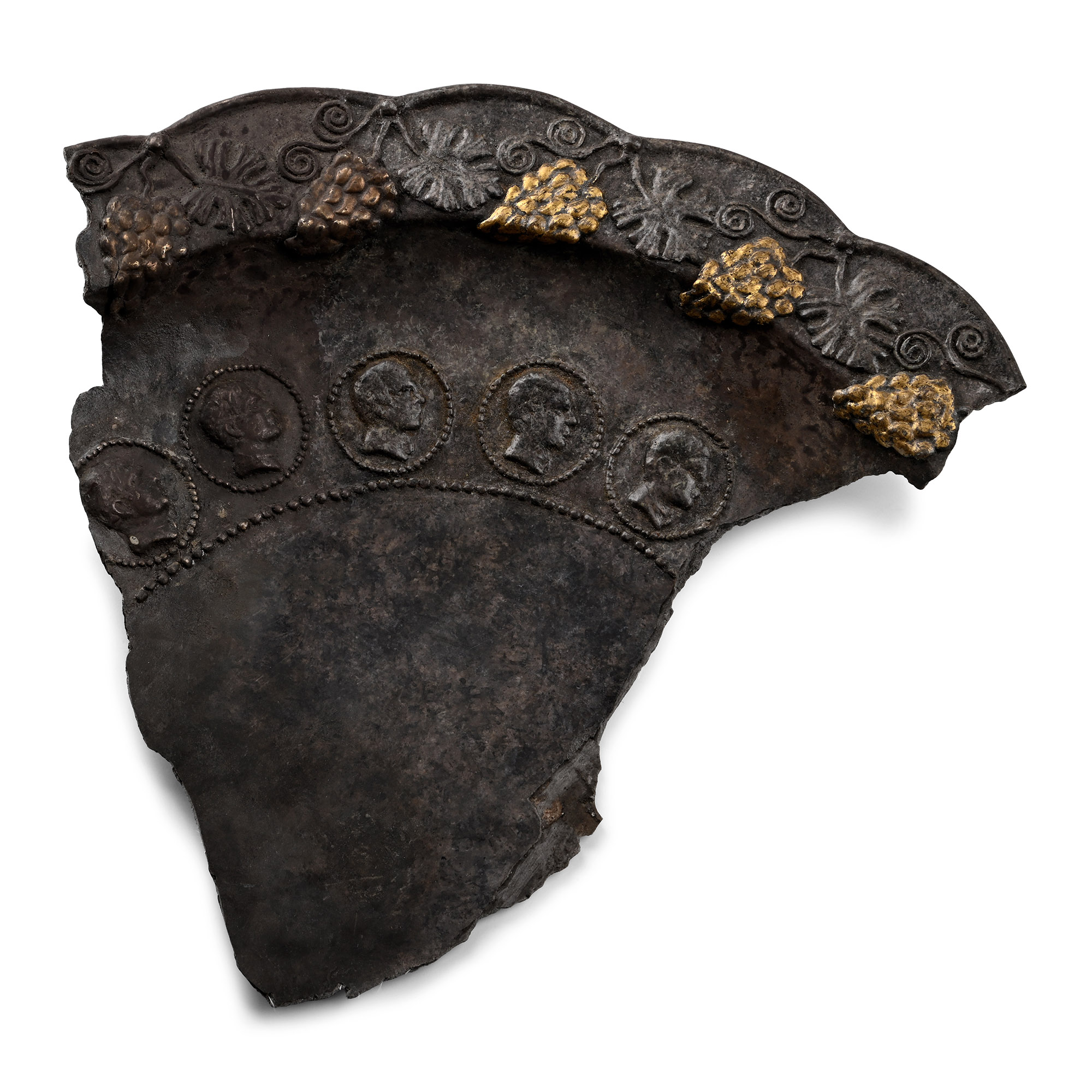
Bactrian Style Silver Dish Fragment with Hellenistic Portraits
20TH CENTURY A.D.
8 7/8 in. (152 grams, 22.5 cm).
Comprising a portion of the silver-coloured metal rim; rim with vine tendrils, leaves and bunches of grapes modelled in high-relief and extending into the bowl; base with a ring of right-facing male profile busts each within a pelletted hoop, and border of larger pellets below; underside abraded. [No Reserve]
ProvenanceFrom the London collection of the late Mr S.M., 1969-1999.
CONDITIONTimeLine Auctions follows a vetting process to ensure the authenticity and legality of all items, reinforcing our commitment to integrity and responsible trading. Each antiquity, antique, and coin lot undergoes thorough examination by a vetting committee of at least ten external specialists, professional trade association members, scientists, and archaeologists: Our Vetting Process
AUCTIONS:
TimeLine is a leading auction house specialising in antiquities, ancient art, collectables, natural history, coins, medals, and books. Our auctions offer museums, collectors, historians, and enthusiasts the opportunity to acquire unique and historically significant pieces.
LOT 2041
Bactrian Style Silver Dish Fragment with Hellenistic Portraits
Sold for (Inc. bp): £98
-
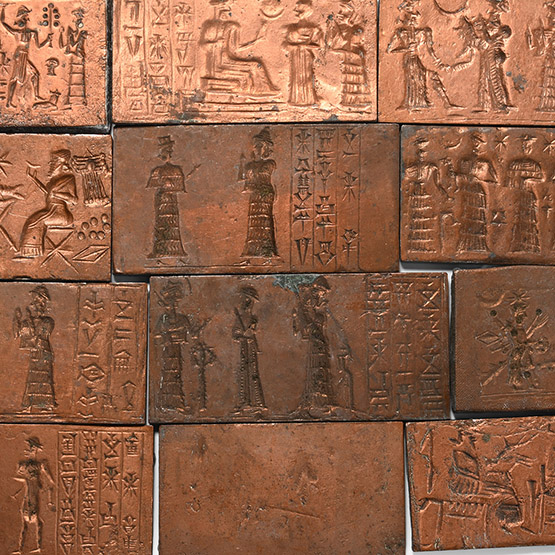
Large Cylinder Seal Electrotype Group
Late 19th-early 20th century A.D.Sold for (Inc. bp): £91
Of academic interest, copper-coated lead seal impressions including presentation scenes, worship scenes, court scenes and others; some with cuneiform text. 367 grams total, 40-55 mm
Possibly made by the British Museum. From a West Country, UK, private collection. -
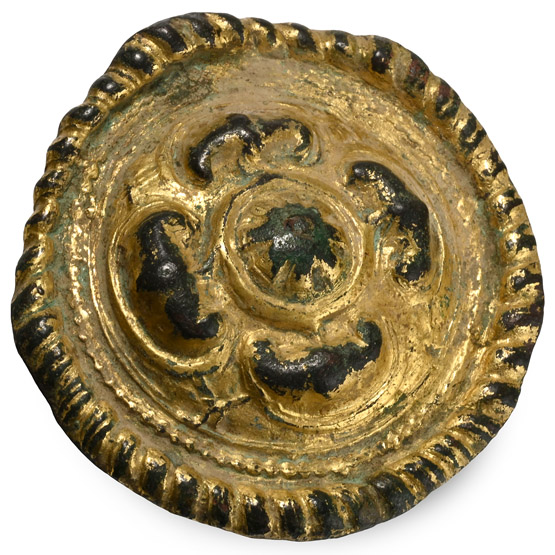
Large Tudor Gilt Bronze Horse Harness Decoration
16th century A.D.Sold for (Inc. bp): £39
Discoid in plan and domed with repoussé ornament, ropework border, central boss with four lobes surrounding; stud to reverse with rove. 26.9 grams, 59 mm
Found Norfolk, UK. -
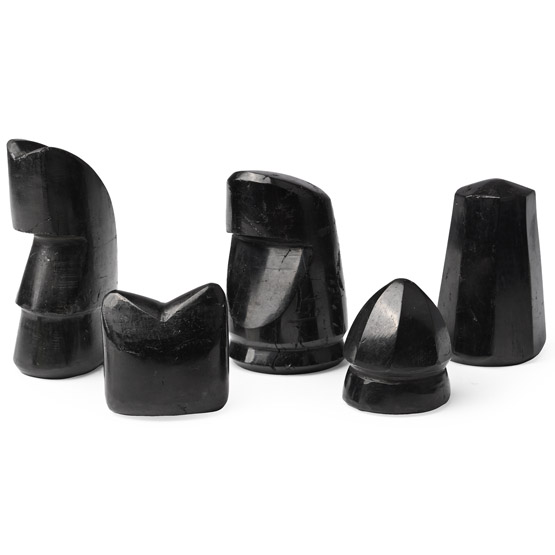
Western Asiatic Style Jet Gaming Piece Group
20th century A.D.Sold for (Inc. bp): £39
Of stylised design, many with faceting in plan and other features. 260 grams total, 38-77 mm
Private collection, UK.
