
Loading, please wait...
LOT 2469
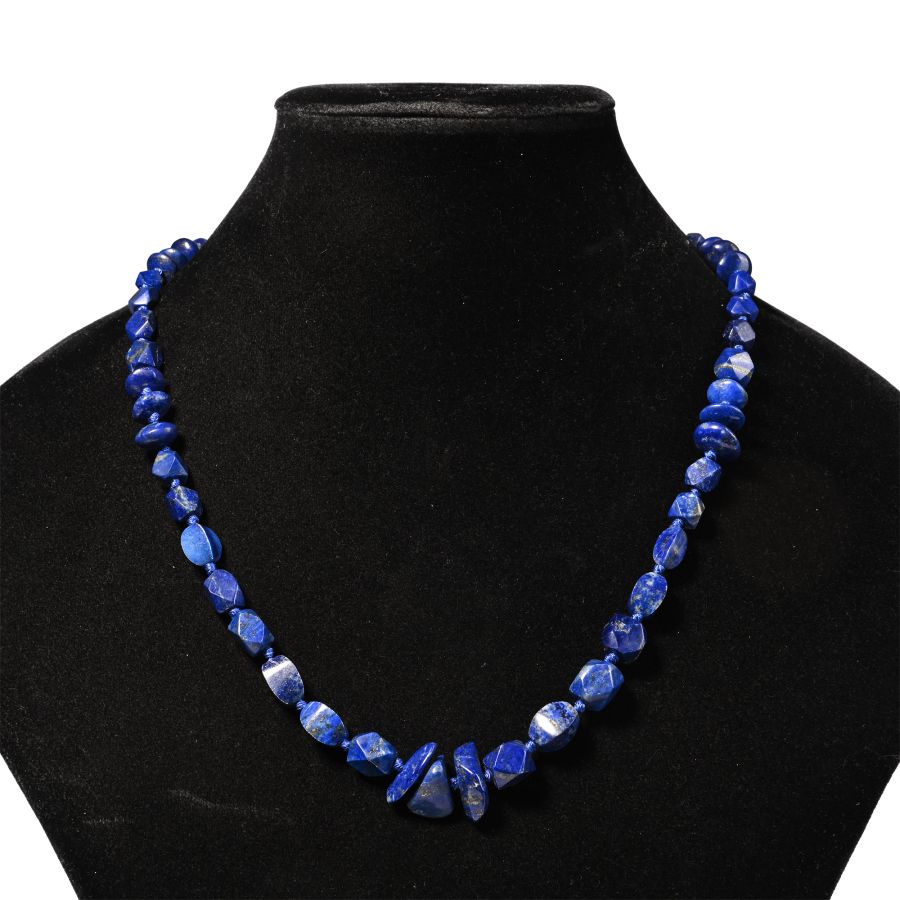
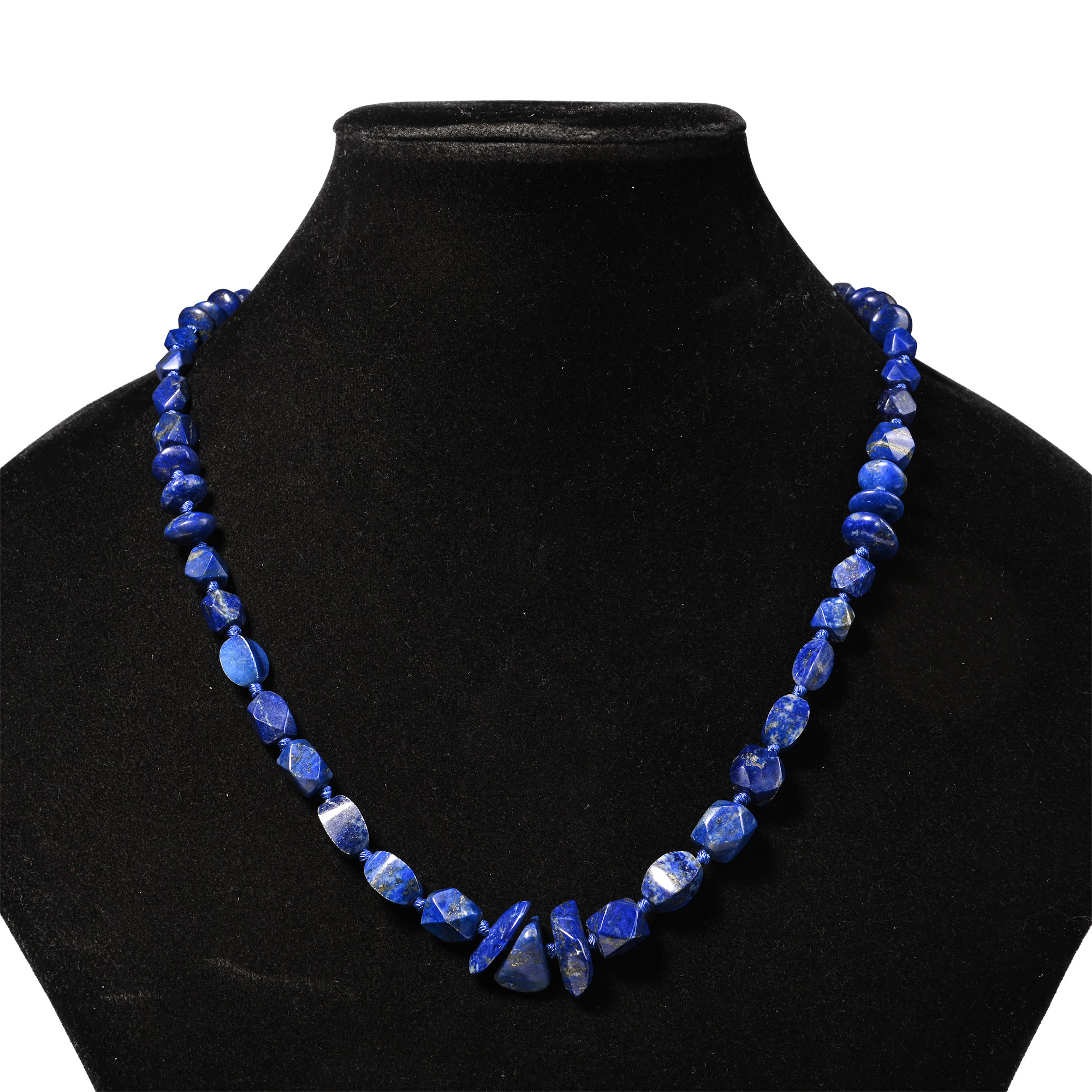
Bactrian Style Lapis Lazuli Bead Necklace
21 1/4 in. (58 grams, 54 cm).
Composed of polished polygonal, discoid and other beads, restrung with a metal hook-and-loop clasp. [No Reserve]
ProvenanceAcquired in the 1990s-early 2000s.
Ex London, UK, collection.
TimeLine Auctions follows a vetting process to ensure the authenticity and legality of all items, reinforcing our commitment to integrity and responsible trading. Each antiquity, antique, and coin lot undergoes thorough examination by a vetting committee of at least ten external specialists, professional trade association members, scientists, and archaeologists: Our Vetting Process
AUCTIONS:
TimeLine is a leading auction house specialising in antiquities, ancient art, collectables, natural history, coins, medals, and books. Our auctions offer museums, collectors, historians, and enthusiasts the opportunity to acquire unique and historically significant pieces.
-
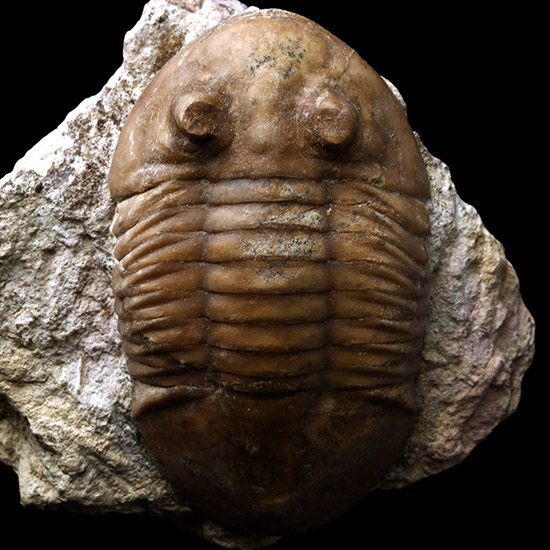
Fossil Asaphus Trilobite in Matrix
Middle Ordovician, circa 470-458 million years B.P.Sold for (Inc. bp): £182
Asaphus plautini with a semicircular headshield and tailshield separated by well-defined ribs. 140 grams, 76 mm
From the private collection of Kenneth Machin (1936-2020), Buckinghamshire, UK; his collection of antiquities and natural history was formed since 1948; thence by descent. -
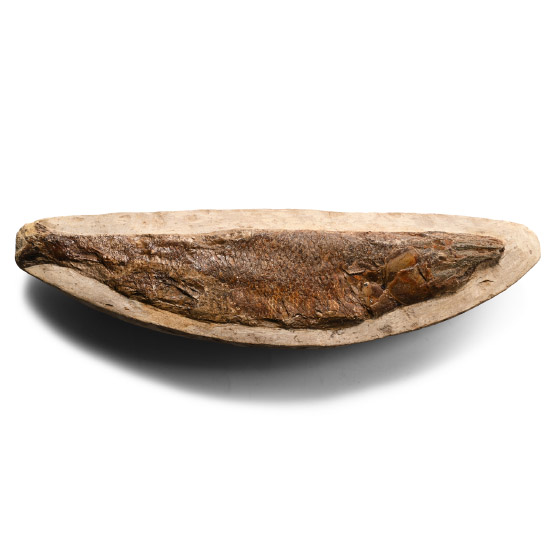
British Unidentified Fossil Fish in Matrix
Devonian Period, circa 419-359 million years B.P.Sold for (Inc. bp): £117
On a curving matrix and showing good detail, especially on the scales. 557 grams, 21.2 cm
From Cheddar, Somerset, UK. From the private collection of Kenneth Machin (1936-2020), Buckinghamshire, UK; his collection of antiquities and natural history was formed since 1948; thence by descent. -
![Group of Six [6] Large Cut and Polished Agate Geode Halves](https://timelineauctions.com/upload/images/items/small/256037-s.jpg)
Group of Six [6] Large Cut and Polished Agate Geode Halves
Sold for (Inc. bp): £46
Comprising six cut and polished geode halves showing characteristic banding, some with crystal-lined interiors. 2.74 kg total, 9-12.5 cm
From Brazil. Ex Mineral Imports, London, UK. Gregory, Bottley & Lloyd (Gregory's), Harwich, UK.
