
Loading, please wait...
LOT 2029
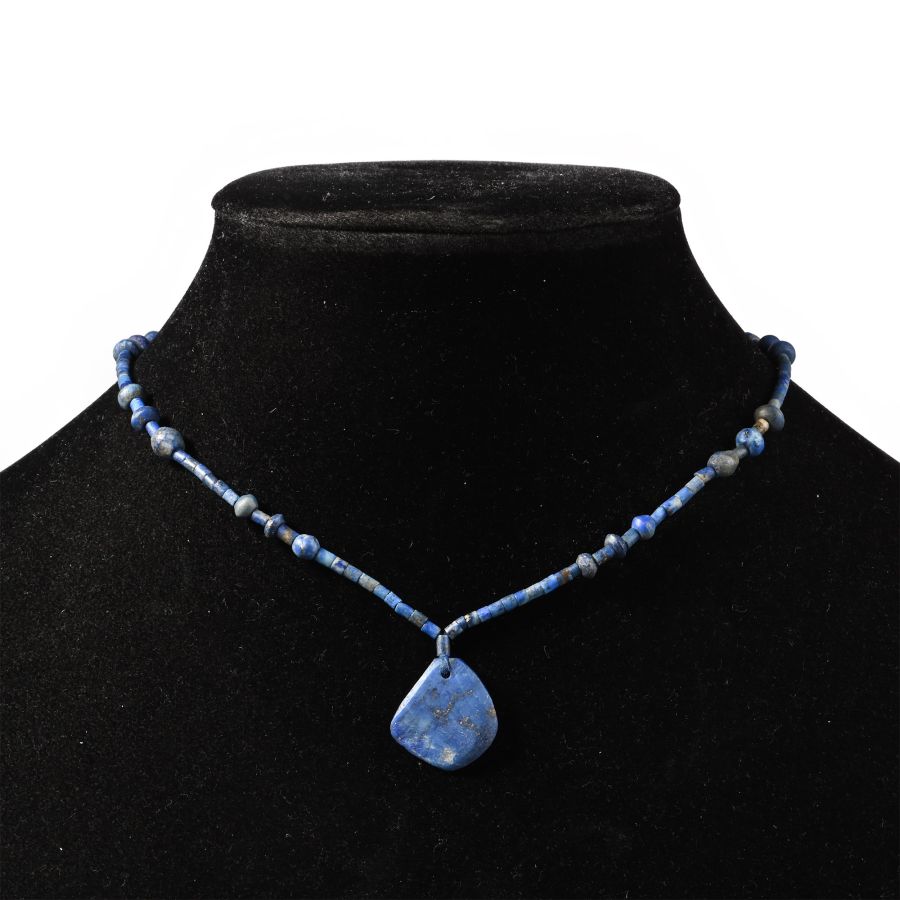
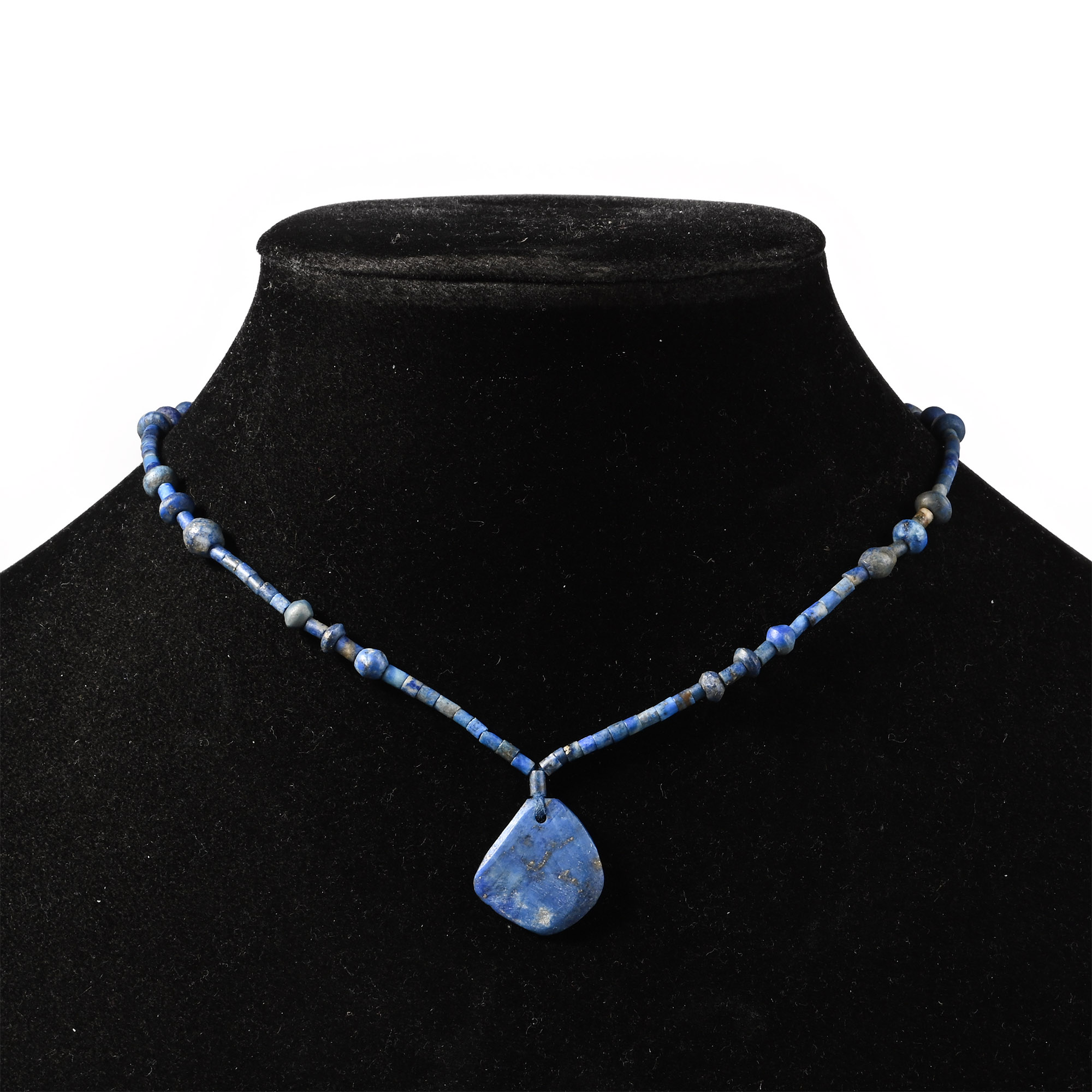
Bactrian Style Lapis Lazuli Bead Necklace String
20TH CENTURY A.D.
13 3/8 in. (9.28 grams, 34 cm).
Composed of tubular, oblate and biconical beads with a teardrop-shaped pendant, restrung. [No Reserve]
ProvenanceAcquired in the 1990s-early 2000s.
Ex London, UK, collection.
TimeLine Auctions follows a vetting process to ensure the authenticity and legality of all items, reinforcing our commitment to integrity and responsible trading. Each antiquity, antique, and coin lot undergoes thorough examination by a vetting committee of at least ten external specialists, professional trade association members, scientists, and archaeologists: Our Vetting Process
AUCTIONS:
TimeLine is a leading auction house specialising in antiquities, ancient art, collectables, natural history, coins, medals, and books. Our auctions offer museums, collectors, historians, and enthusiasts the opportunity to acquire unique and historically significant pieces.
-
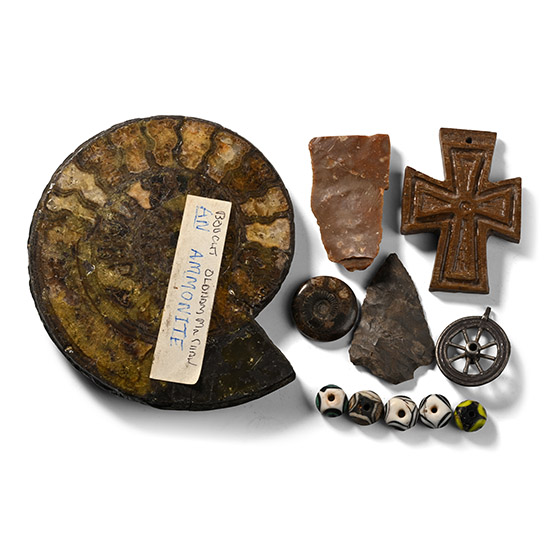
Mixed Artefact Group
Neolithic and later, 6,000 B.P.-20th century A.D.Sold for (Inc. bp): £26
Comprising: a stone arrowhead; a stone blade section; five glass beads with 'eye' motifs; a pendant formed as a spoked wheel; a bone cross mount; two cut halves of a fossil ammonite. 272 grams total, 1.1-11 cm
Acquired on the UK art market. Property of a Lancashire, UK, collector. -
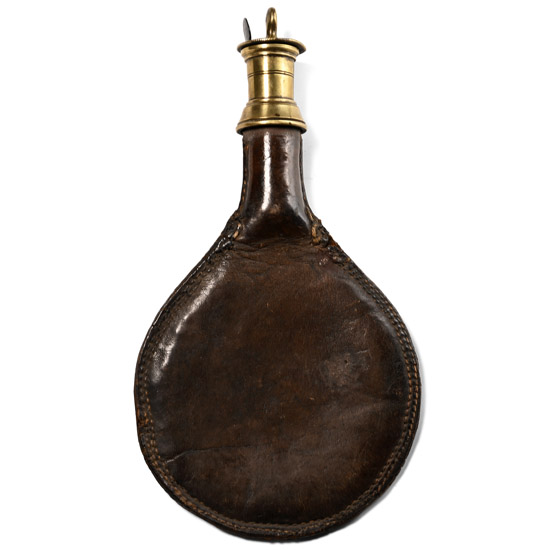
Irish Leather Powder Flask with Brass Fittings
19th century A.D.Sold for (Inc. bp): £13
Stitched edges and a tubular neck with brass fittings. 84 grams, 19.3 cm
Property of a Nottinghamshire, UK, gentleman. -
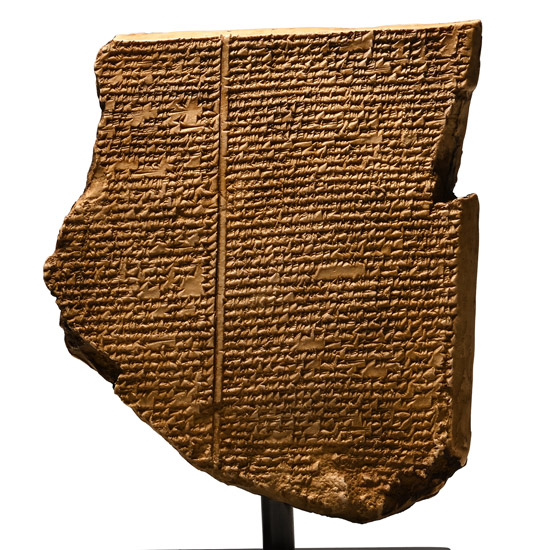
Museum Quality Replica of the Gilgamesh Tablet XI in the British Museum
21st century A.D.Sold for (Inc. bp): £260
Resin cast reproduction of the 'Gilgamesh tablet XI' with dense cuneiform text in two unequal columns on each broad face, separated by a vertical longitudinal gutter; mounted on a custom-made stand. 1.01 kg total, 20.4 cm including stand
From the collection of David Donlan (1947-2025), a dedicated and lifelong collector with a passion for the ancient world and the natural sciences, forming his collection from 1960s onwards, using many reputable dealers across the United Kingdom, including the well-regarded Coincraft and The Parthenon Gallery.
