
Loading, please wait...
LOT 2052
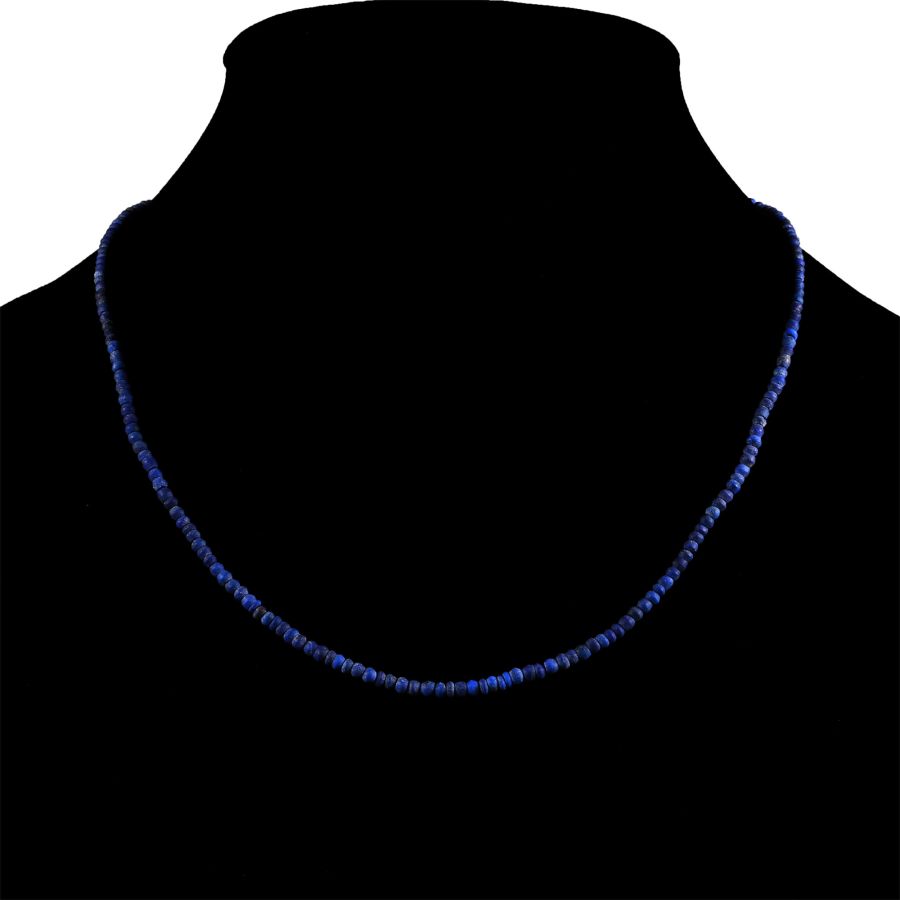
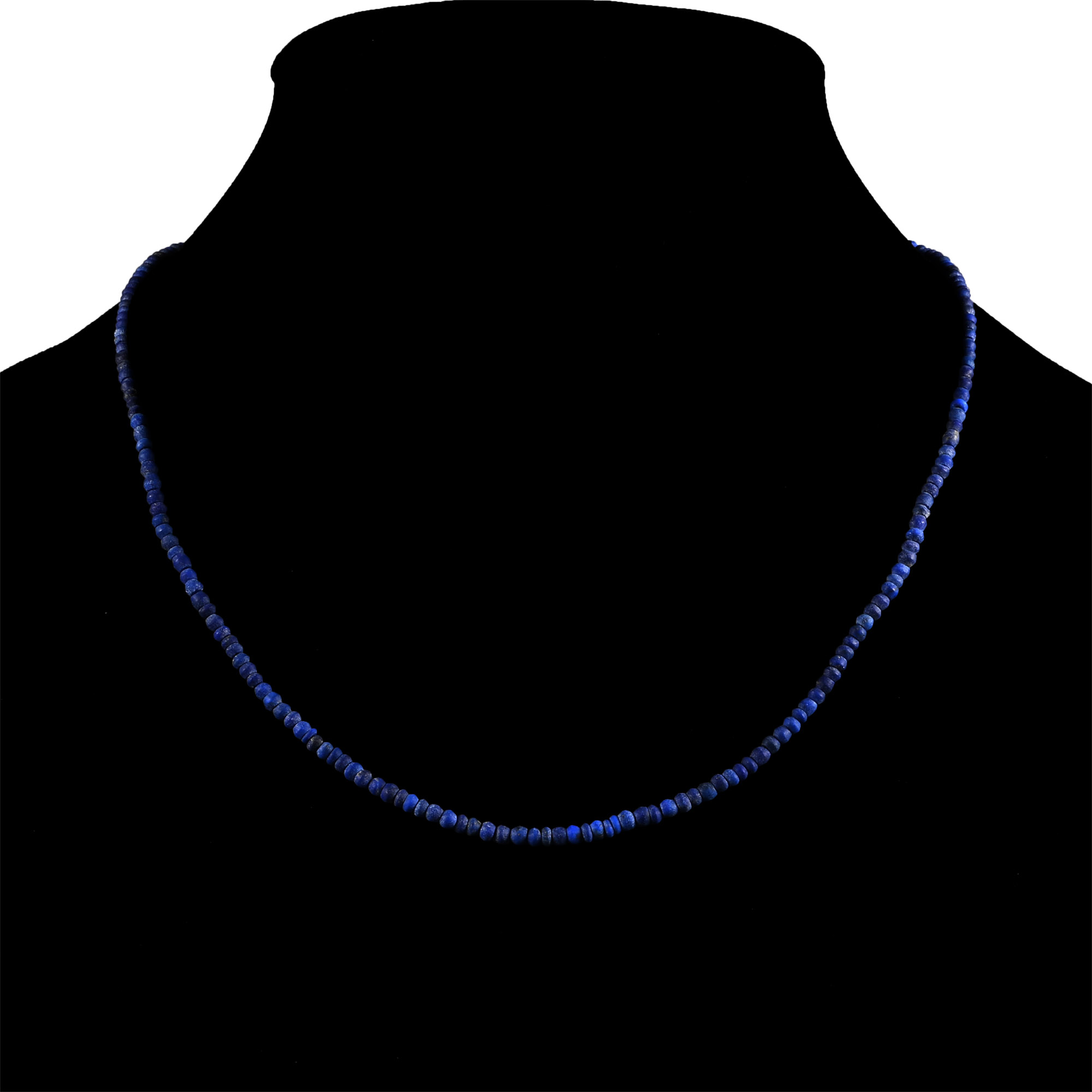
Bactrian Style Lapis Lazuli Bead Necklace String
20TH CENTURY A.D.
16 3/8 in. (5.88 grams, 41.5 cm).
Composed of small oblate and annular beads; restrung. [No Reserve]
ProvenanceEx London art market.
Property of a North London, UK, gentleman.
This lot is accompanied by an illustrated lot declaration signed by the Head of the Antiquities Department, Dr Raffaele D’Amato.
TimeLine Auctions follows a vetting process to ensure the authenticity and legality of all items, reinforcing our commitment to integrity and responsible trading. Each antiquity, antique, and coin lot undergoes thorough examination by a vetting committee of at least ten external specialists, professional trade association members, scientists, and archaeologists: Our Vetting Process
AUCTIONS:
TimeLine is a leading auction house specialising in antiquities, ancient art, collectables, natural history, coins, medals, and books. Our auctions offer museums, collectors, historians, and enthusiasts the opportunity to acquire unique and historically significant pieces.
-
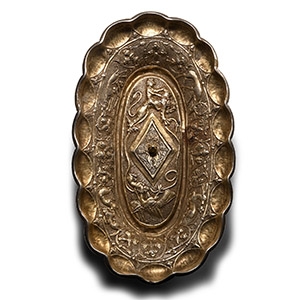
Post Medieval Parcel-Gilt Silver Dish
Eastern Europe, 16th-17th century A.D. or laterSold for (Inc. bp): £546
Ellipsoid in plan with fluted rim, sidewall with repoussé vinescroll inhabited by a stag, doe, hares and hound; base with an eagle seizing a hare and a child riding a hunting dog; central stepped lozenge with reserved winged griffin, balustered knop. 333 grams, 21.8 cm
From the collection of a gentleman collector, London, UK, 2000s. This lot is accompanied by an illustrated lot declaration signed by the Head of the Antiquities Department, Dr Raffaele D’Amato. -
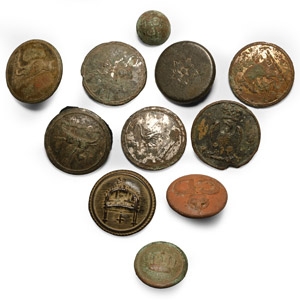
Mixed Button Collection
19th-20th century A.D.Sold for (Inc. bp): £7
Mainly military and livery types. 64 grams total, 14-27 mm
Found around the Buckinghamshire, UK, area. This lot is accompanied by an illustrated lot declaration signed by the Head of the Antiquities Department, Dr Raffaele D’Amato. -
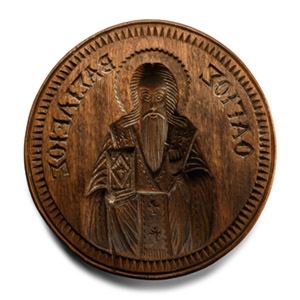
Greek Carved Holy Bread Stamp with Saint Basil
Late 19th century A.D.Sold for (Inc. bp): £156
Plano-convex in profile with square handle to underside; incuse figure of nimbate St. Basil facing, holding a book with dentilled border and legend 'ΟΑΓΙΟΣ ΒΑΣΙΛΕΙΟΣ' (Saint Basil); handle with legend 'ΙΣΧΣ ΝΙΚΑ' (Jesus Christ triumphant). 141 grams, 15.7 cm
Property of a London, UK, gentleman collector. This lot is accompanied by an illustrated lot declaration signed by the Head of the Antiquities Department, Dr Raffaele D’Amato.
