
Loading, please wait...
LOT 1529
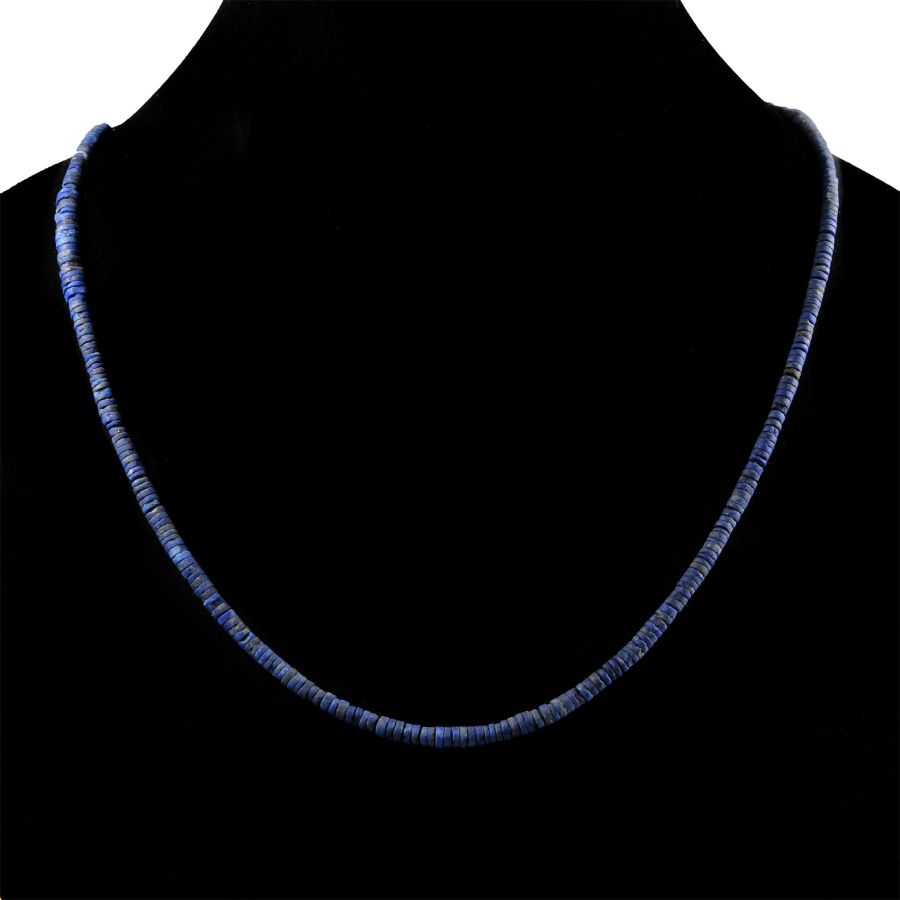
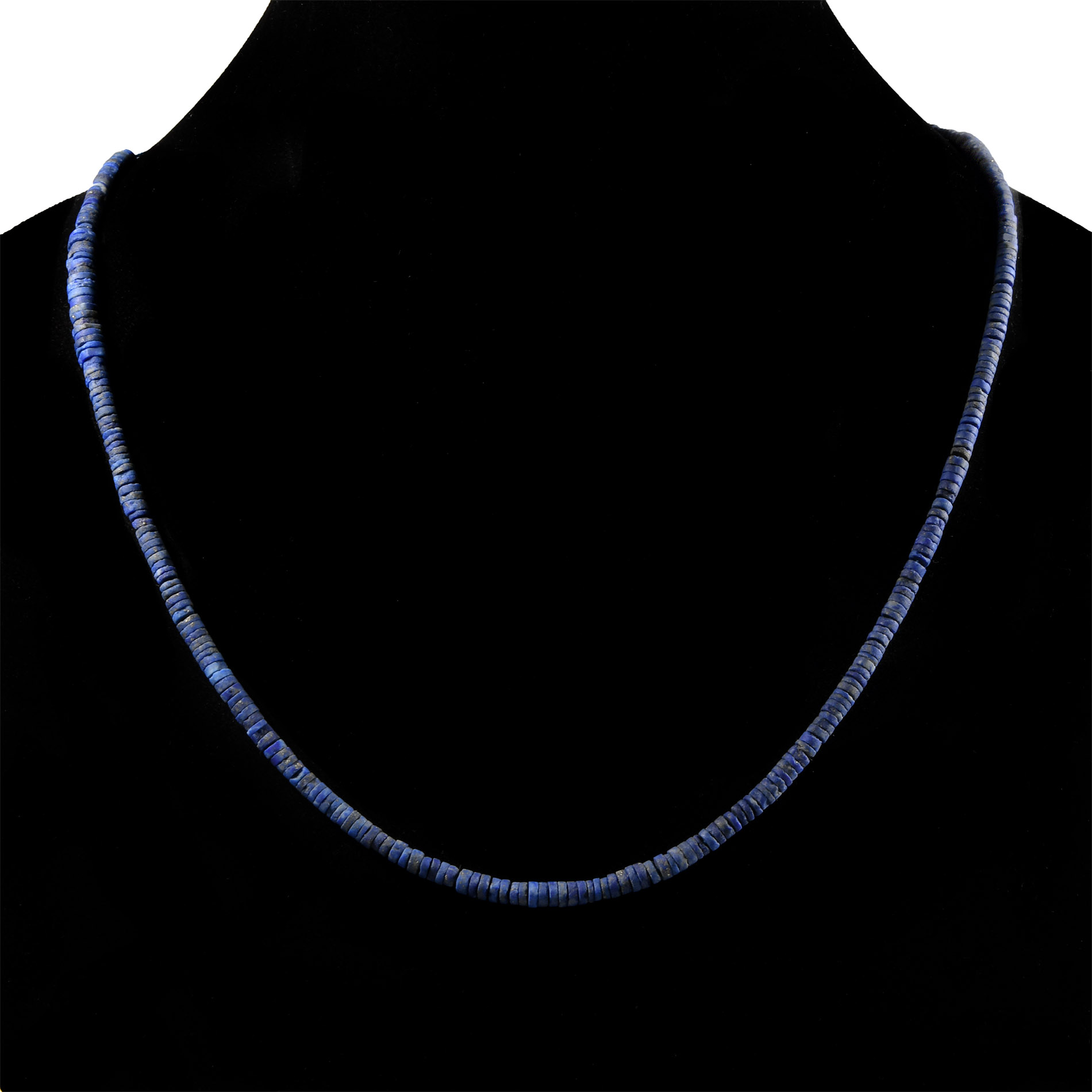
Bactrian Style Lapis Lazuli Bead Necklace String
20TH CENTURY A.D.
26 in. (13.7 grams, 66 cm long).
A restrung group of lapis lazuli disc beads. [No Reserve]
ProvenanceAcquired 1980-2015.
Ex Abelita family collection.
TimeLine Auctions follows a vetting process to ensure the authenticity and legality of all items, reinforcing our commitment to integrity and responsible trading. Each antiquity, antique, and coin lot undergoes thorough examination by a vetting committee of at least ten external specialists, professional trade association members, scientists, and archaeologists: Our Vetting Process
AUCTIONS:
TimeLine is a leading auction house specialising in antiquities, ancient art, collectables, natural history, coins, medals, and books. Our auctions offer museums, collectors, historians, and enthusiasts the opportunity to acquire unique and historically significant pieces.
-
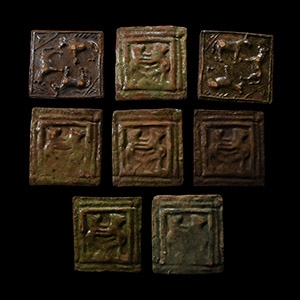
Post Medieval Glazed Ceramic Tile Group
17th-18th century A.D.Sold for (Inc. bp): £91
Comprising two designs in relief including three horses in an enclosure and two animals, likely cats, fighting; coloured glazes. 1.2 kg total, 9.5 x 10 - 9.8 x 10 cm
Acquired 1990s-early 2000s. East Anglian private collection. -
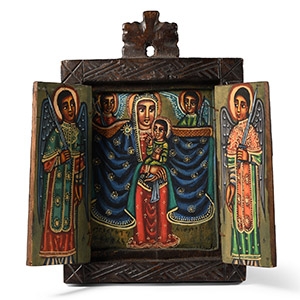
Ethiopian Wooden Painted Triptych Icon
20th century A.D.Sold for (Inc. bp): £59
With hand-painted scenes to the inner faces, the central panel with nimbate Mary holding Jesus, the child making a blessing sign with his right hand and holding a book in his left; Mary's blue himation enveloping a pair of archangels behind her, each holding a sword and having their wing extended to form a protective arch over the mother and child, text to the field; both doors with a painted archangel holding a sword and cross-topped staff. 389 grams, 27 x 18.2 cm
Acquired in South Africa in 2001. Property of a Nottinghamshire gentleman. -
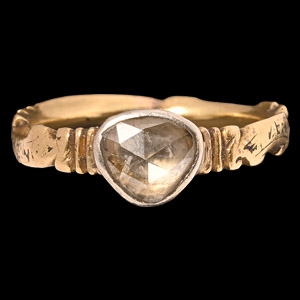
Georgian Gold Ring with Diamond
Dated 1756 A.D.Estimate: £5,000 - 7,000 (+bp*)
Opening Bid: £2,500
With elaborate scrolled foliage detailing to the hoop, each shoulder with a scroll with legend 'MARY' and '1756 AD'; cup bezel with fluted underside, inset triangular diamond. 3.70 grams, 21.62 mm overall, 16.64 mm internal diameter (approximate size British M, USA 6, Europe 12.46, Japan 12)
Acquired in the late 1980s-early 1990s. Important North West London collection. This lot has been checked against the Interpol Database of stolen works of art and is accompanied by search certificate no.11983-210473.
