
Loading, please wait...
LOT 1972
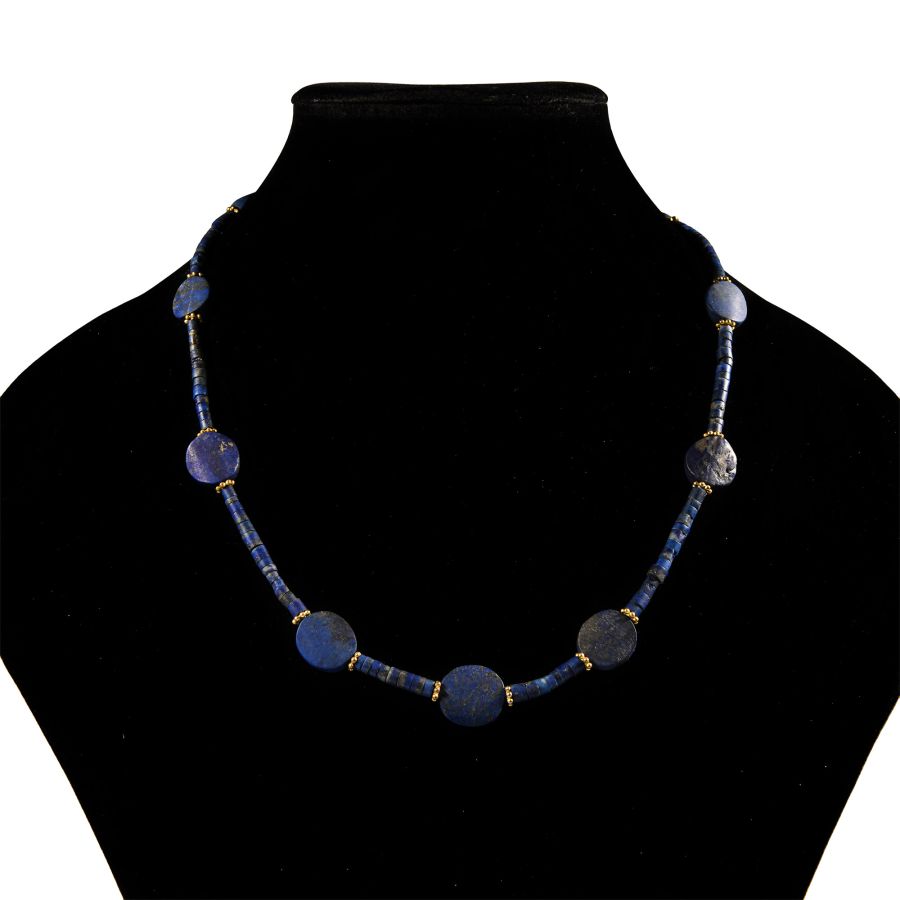
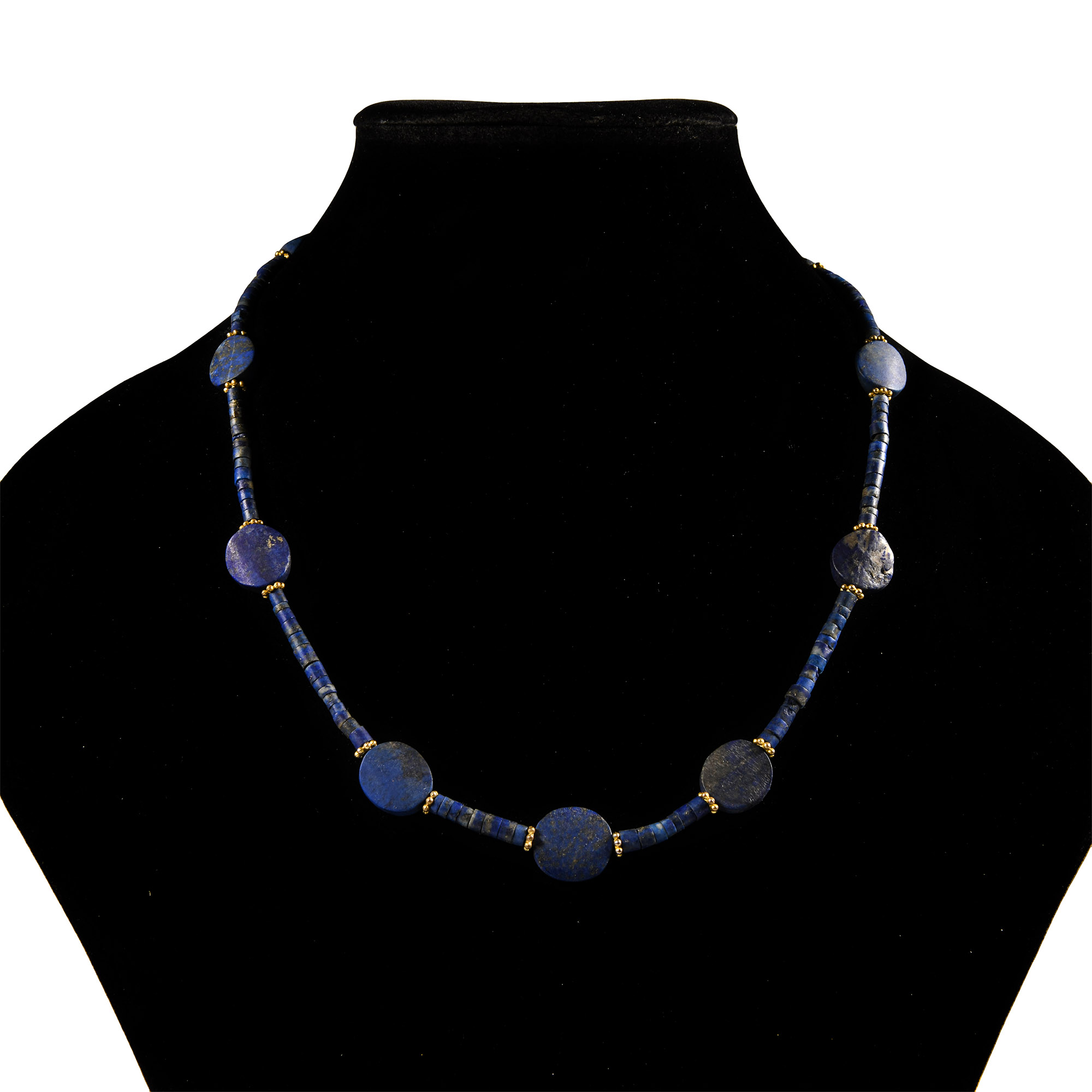
Bactrian Style Lapis Lazuli Bead Group
20TH CENTURY A.D.
24 in. (30 grams, 61 mm long).
Restrung; composed of domed oval and annular lapis lazuli beads, interspersed with gold-coloured granulated spacer beads. [No Reserve]
ProvenanceFrom a North London collection, in the 1990s.
CONDITIONTimeLine Auctions follows a vetting process to ensure the authenticity and legality of all items, reinforcing our commitment to integrity and responsible trading. Each antiquity, antique, and coin lot undergoes thorough examination by a vetting committee of at least ten external specialists, professional trade association members, scientists, and archaeologists: Our Vetting Process
AUCTIONS:
TimeLine is a leading auction house specialising in antiquities, ancient art, collectables, natural history, coins, medals, and books. Our auctions offer museums, collectors, historians, and enthusiasts the opportunity to acquire unique and historically significant pieces.
-
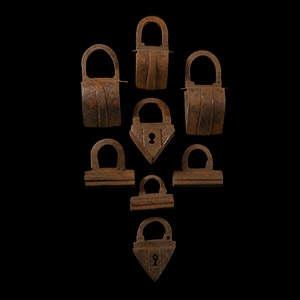
Tudor Period and Later Iron Padlock Collection
Circa 16th-17th century A.D.Sold for (Inc. bp): £169
Comprising a variety of types of padlocks, most retaining their arm and ceased in the locked position. 408 grams total, 40-79 mm
Acquired 1990s-early 2000s. East Anglian private collection. -
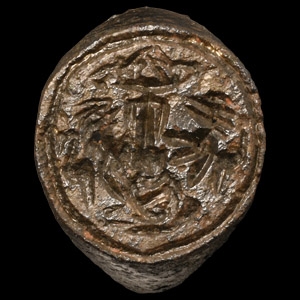
Tudor Period Bronze Armorial Signet Ring
16th-17th century A.D.Sold for (Inc. bp): £72
Hoop expanding to decoratively hatched shoulders, sub-circular bezel displaying enigmatic armorial design. 6.49 grams, 23.87 mm overall, 20.77 mm internal diameter (approximate size British T, USA 9 1/2, Europe 21.26, Japan 20)
Private collection formed since the 1940s. UK art market. Property of an Essex gentleman. -
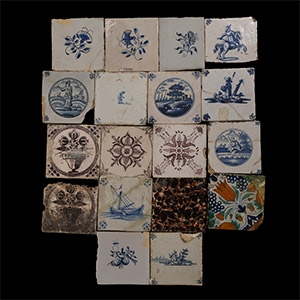
Post Medieval Dutch Glazed Ceramic Tile Group
Circa 17th-18th century A.D.Estimate: £100 - 140 (+bp*)
Opening Bid: £50
Comprising polychrome tiles displaying sailing vessels, figural scenes, perching bird, landscapes and foliate compositions. 4.6 kg total, 11 x 12 - 13 x 13.5 cm
Acquired 1990s-early 2000s. East Anglian private collection.
