
Loading, please wait...
LOT 2436
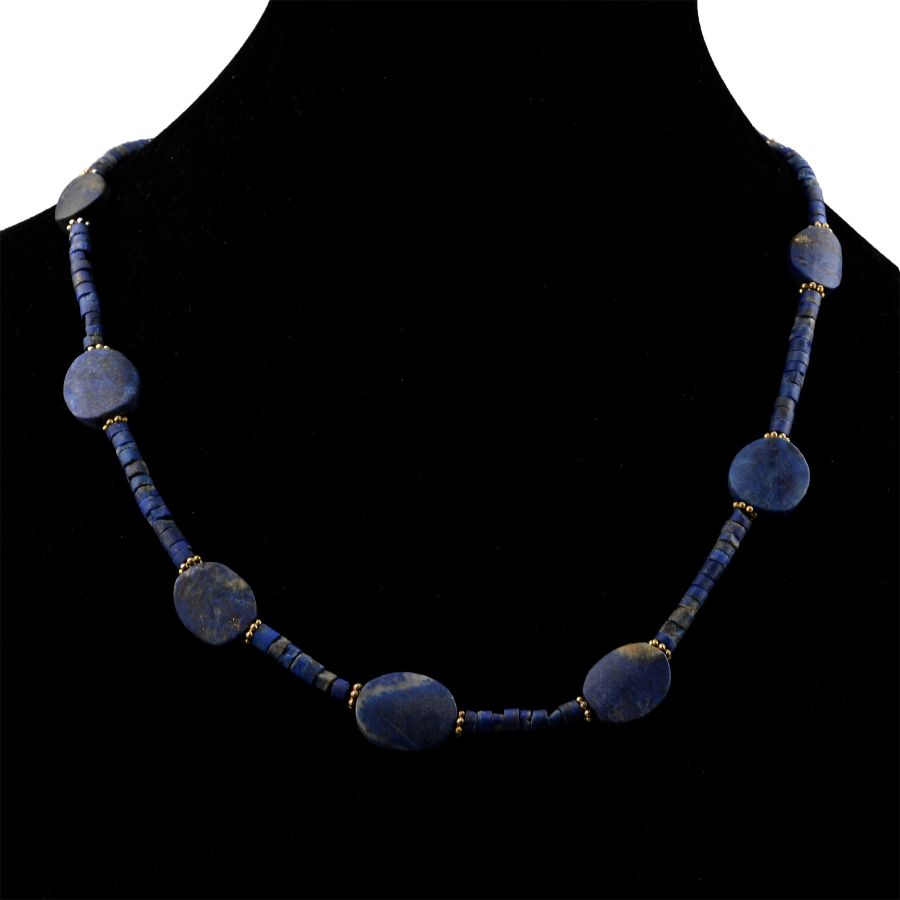
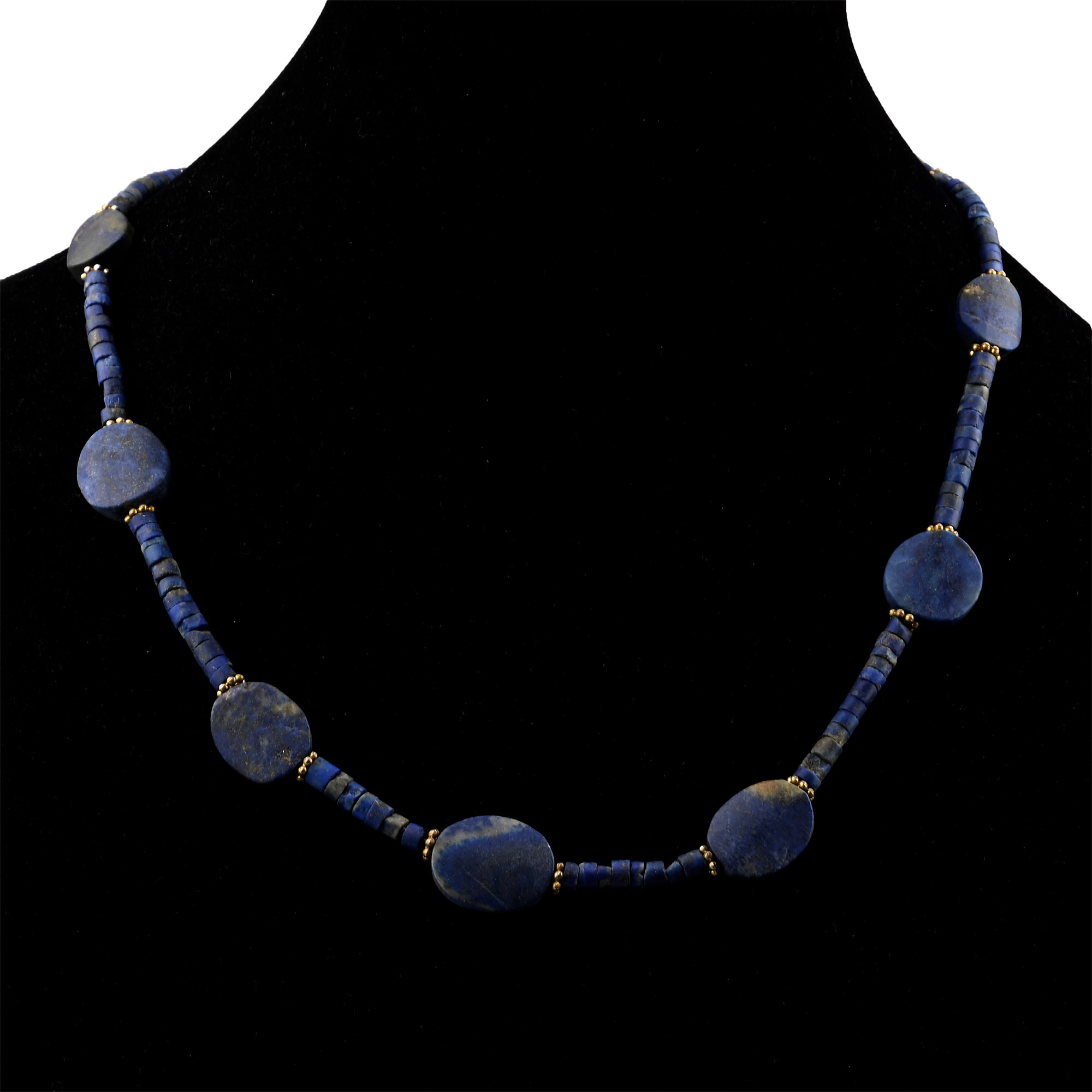
Bactrian Style Lapis Lazuli and Other Bead Necklace String
20TH CENTURY A.D.
18 7/8 in. (38.9 grams, 48 cm).
Restrung group of annular, tabular and other types with granulated collars. [No Reserve]
ProvenanceFrom London, UK, gallery collection, 1990s.
CONDITIONTimeLine Auctions follows a vetting process to ensure the authenticity and legality of all items, reinforcing our commitment to integrity and responsible trading. Each antiquity, antique, and coin lot undergoes thorough examination by a vetting committee of at least ten external specialists, professional trade association members, scientists, and archaeologists: Our Vetting Process
AUCTIONS:
TimeLine is a leading auction house specialising in antiquities, ancient art, collectables, natural history, coins, medals, and books. Our auctions offer museums, collectors, historians, and enthusiasts the opportunity to acquire unique and historically significant pieces.
LOT 2436
Bactrian Style Lapis Lazuli and Other Bead Necklace String
Sold for (Inc. bp): £46
-
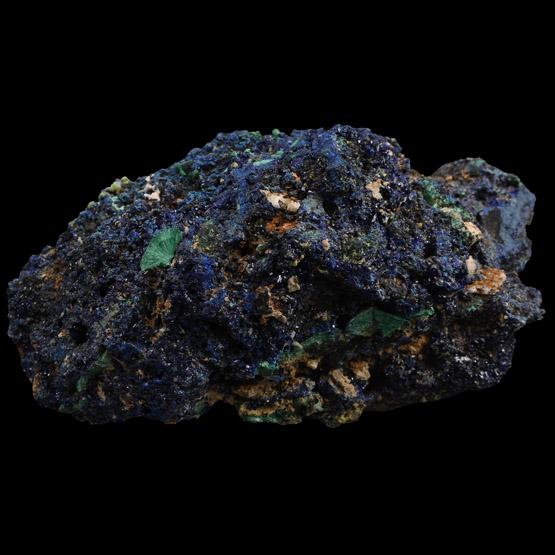
Irish Azurite Mineral Specimen
Sold for (Inc. bp): £52
Comprising vivid blue druzy azurite with green malachite. 163 grams, 79 mm
From Tynagh Mine, Killimor, County Galway, Ireland. From the property of a Cornwall, UK, gentleman. -
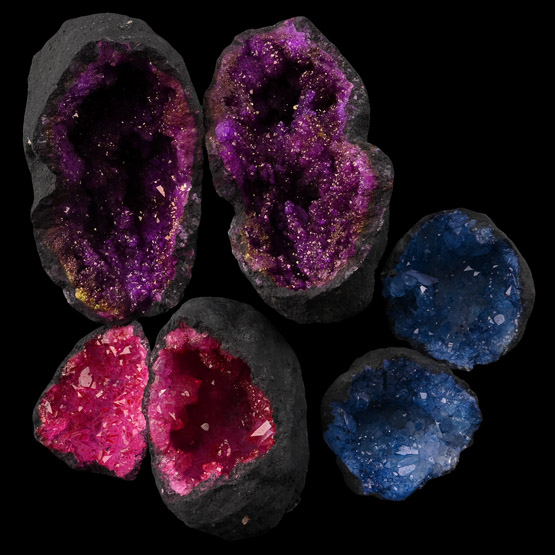
Coloured Composite Quartz Nodule Group
Sold for (Inc. bp): £13
Comprising three opened composite nodules with colourful, dyed crystals. 377 grams total, 44-88 mm
From a Cambridgeshire, UK, collection. -
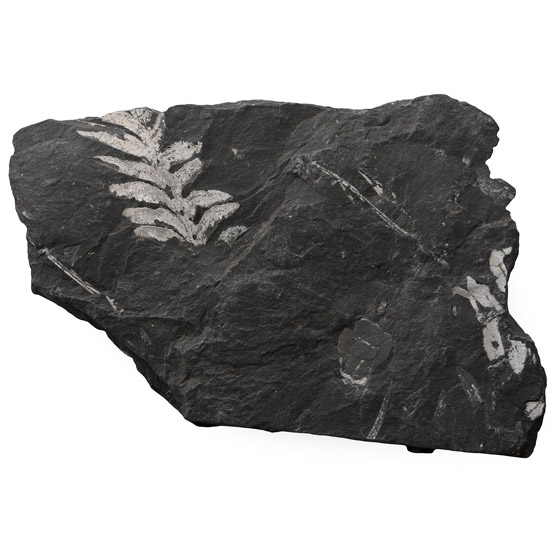
Fossil Pecopteris Fern Leaves
Carboniferous Period, Pennsylvanian Epoch, circa 300 million years B.P.Sold for (Inc. bp): £20
An irregular matrix containing Pecopteris fossil ferns on both sides. 385 grams, 17 cm
From USA. From a Lincolnshire, UK, collection.
