
Loading, please wait...
LOT 1531
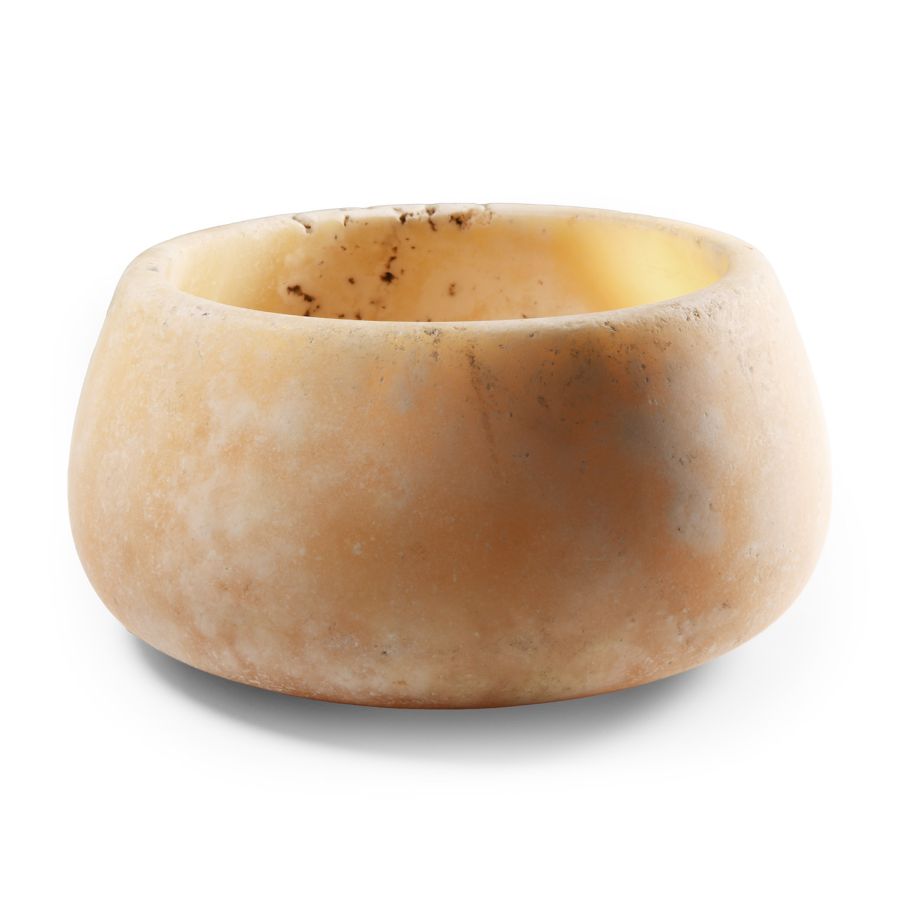
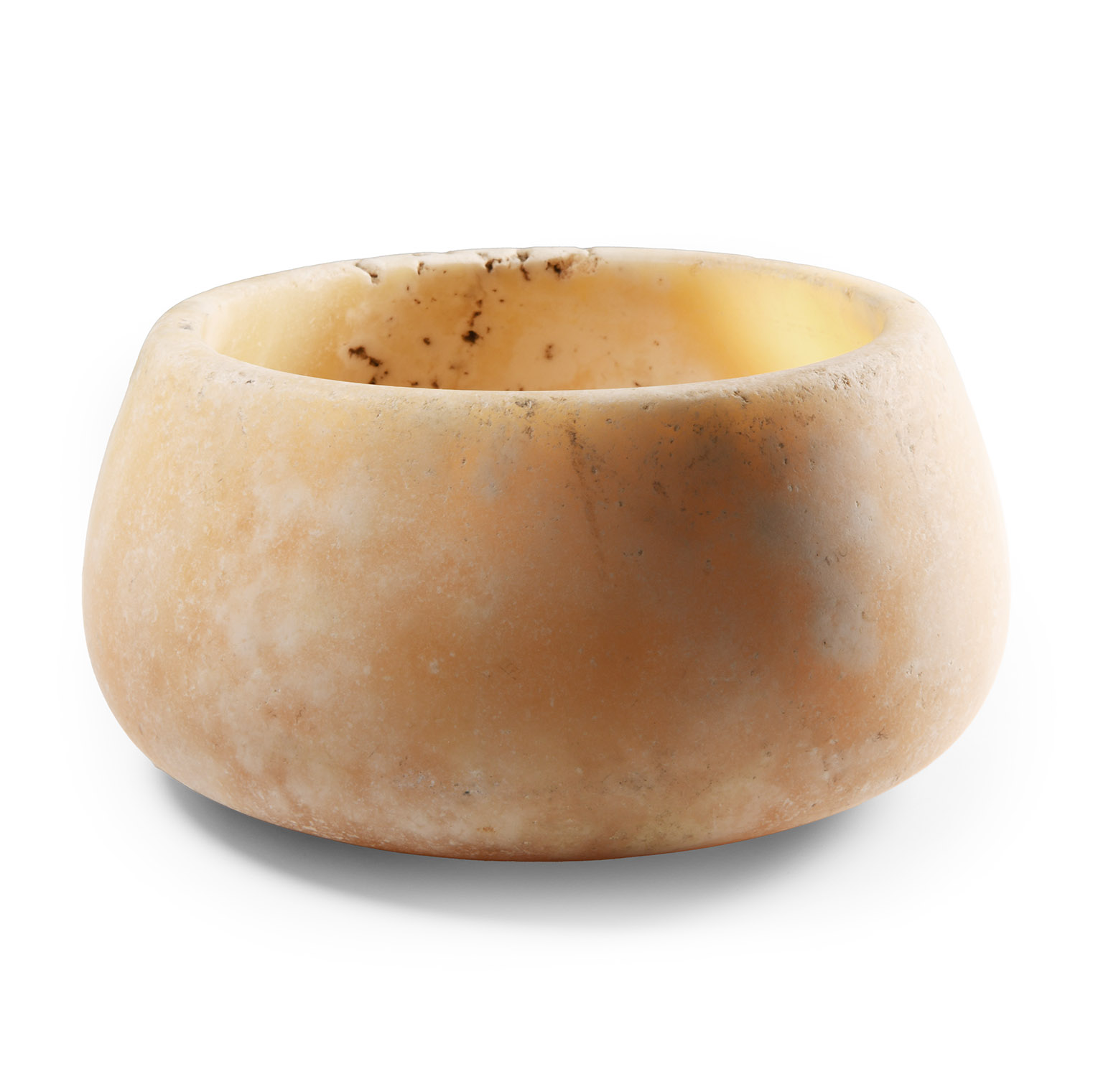
Bactrian Style Alabaster Jar
20TH CENTURY A.D.
6 1/4 in. (1.5 kg, 16 cm wide).
Squat and broad-based with sloping sidewall, flat rim. [No Reserve]
ProvenanceProperty of a North London, UK, gentleman.
CONDITIONTimeLine Auctions follows a vetting process to ensure the authenticity and legality of all items, reinforcing our commitment to integrity and responsible trading. Each antiquity, antique, and coin lot undergoes thorough examination by a vetting committee of at least ten external specialists, professional trade association members, scientists, and archaeologists: Our Vetting Process
AUCTIONS:
TimeLine is a leading auction house specialising in antiquities, ancient art, collectables, natural history, coins, medals, and books. Our auctions offer museums, collectors, historians, and enthusiasts the opportunity to acquire unique and historically significant pieces.
-
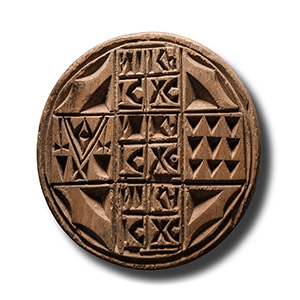
Coptic Wooden Bread Stamp
Circa 18th century A.D.Sold for (Inc. bp): £52
Discoid piano-convex stamp with chip-carved cruciform design to the main face including 'ICXC' Christograms; similar to the handle. 84 grams, 12 cm wide
Acquired in the late 1980s-early 1990s. Important North West London collection. -
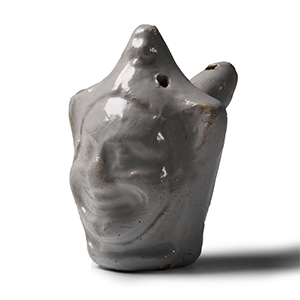
Elizabethan Glazed Ceramic Fool's Head Whistle
Circa 16th century A.D.Sold for (Inc. bp): £260
Complete with mouthpiece and sounding hole. 43 grams, 54 mm
Acquired 1960s-1990s. Late Alison Barker collection, a retired London barrister. -
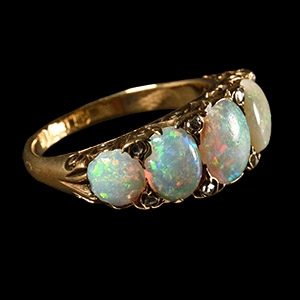
Antique Gold Ring with Australian Opals
London, 1894 A.D.Estimate: £1,000 - 1,400 (+bp*)
Opening Bid: £400
With five graduated white opal cabochons each with shimmering green, blue, yellow and orange coloration believed to be of Australian origin; hallmarked for London, 'T' in shield (1894), 18 carat gold. 5.54 grams, 23.81 mm overall, 17.56 mm internal diameter (approximate size British O, USA 7, Europe 14.98, Japan 14)
Property of an Essex, UK, gentleman.
