
Loading, please wait...
LOT 1487
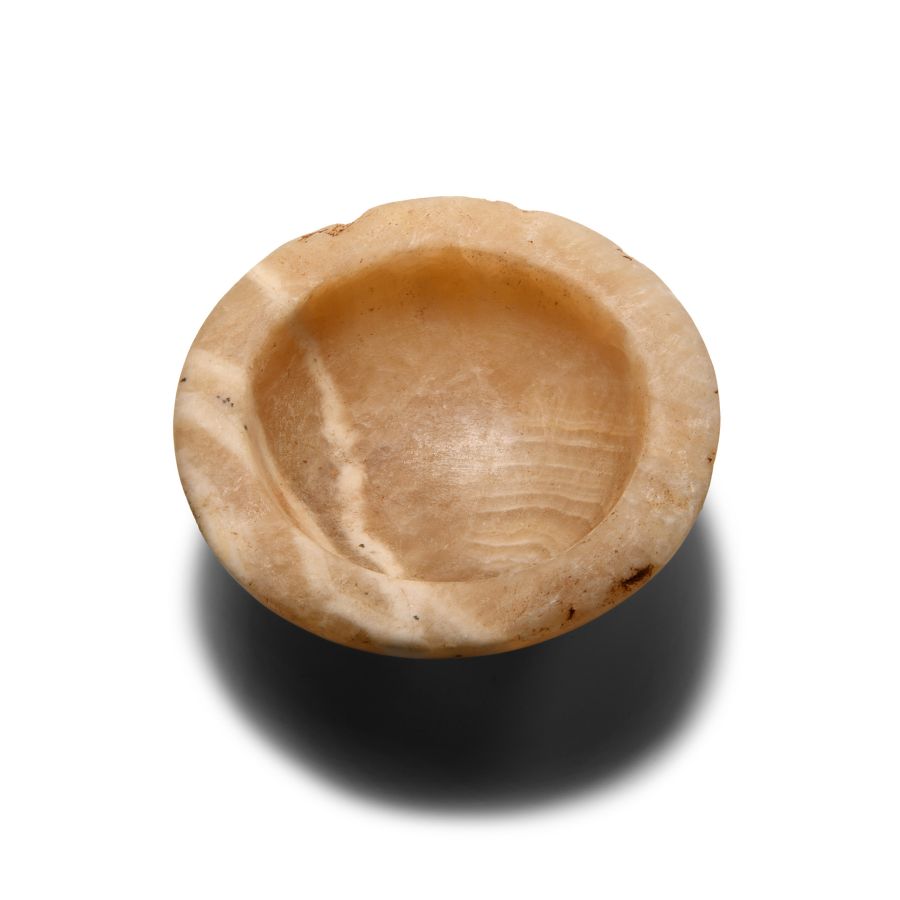
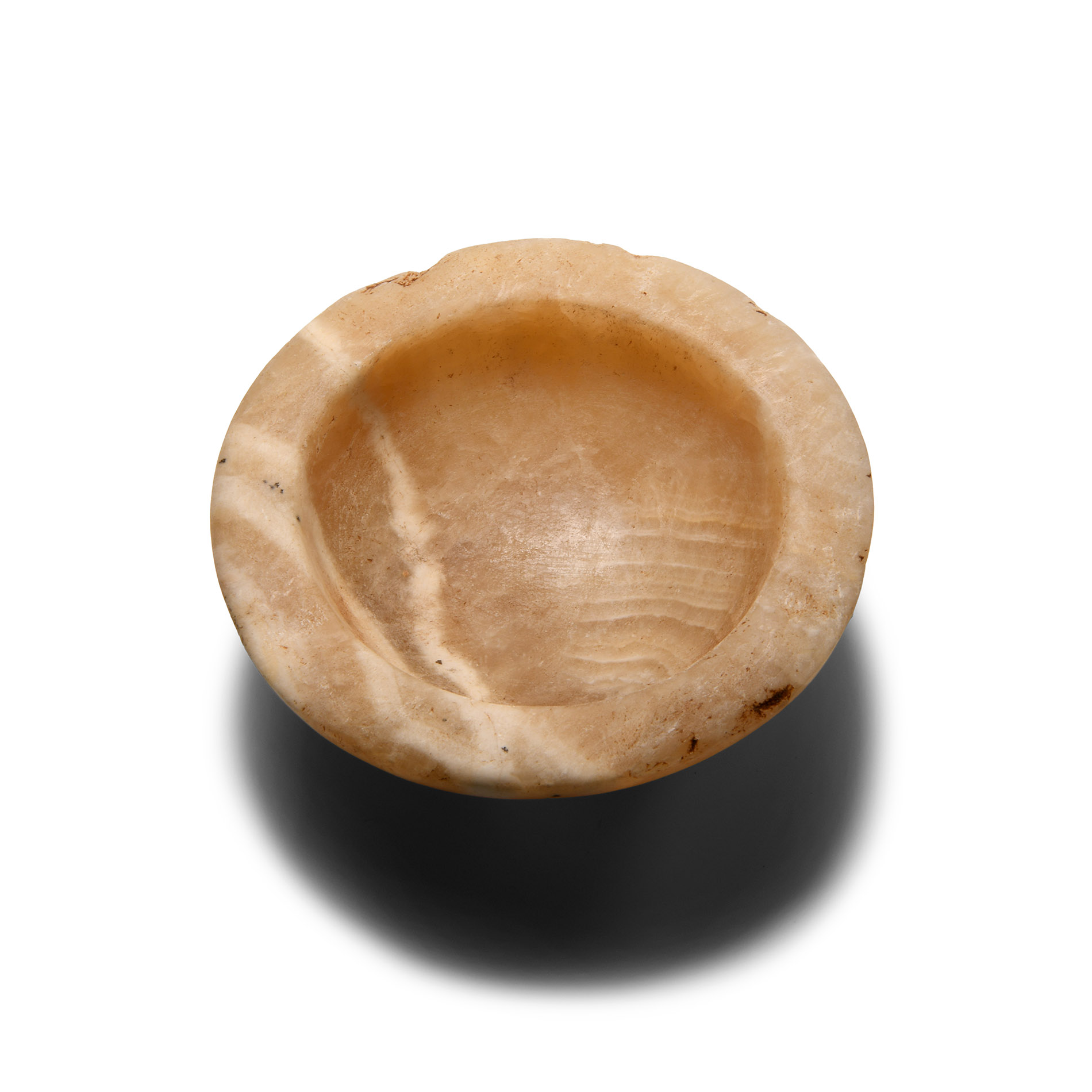
Bactrian Style Alabaster Dish
20TH CENTURY A.D.
4 1/2 in. (448 grams, 11.5 cm wide).
Plano-convex in form with deep central recess and flat base. [No Reserve]
ProvenanceEx London A.D. collection, 2000s.
CONDITIONTimeLine Auctions follows a vetting process to ensure the authenticity and legality of all items, reinforcing our commitment to integrity and responsible trading. Each antiquity, antique, and coin lot undergoes thorough examination by a vetting committee of at least ten external specialists, professional trade association members, scientists, and archaeologists: Our Vetting Process
AUCTIONS:
TimeLine is a leading auction house specialising in antiquities, ancient art, collectables, natural history, coins, medals, and books. Our auctions offer museums, collectors, historians, and enthusiasts the opportunity to acquire unique and historically significant pieces.
-
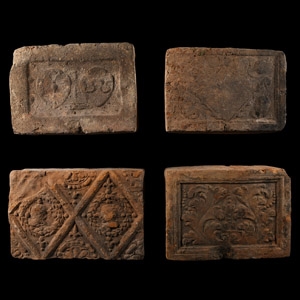
Elizabethan Period Ceramic Fire Brick Group
Circa 16th century A.D.Sold for (Inc. bp): £111
Each differently sized and displaying and decorative design in relief, including foliage, facing busts within wreaths and lozenges, crowned lozenge with flourishes and other worn motifs. 6.68 kg total, 13-15 cm
Acquired 1990s-early 2000s. East Anglian private collection. -
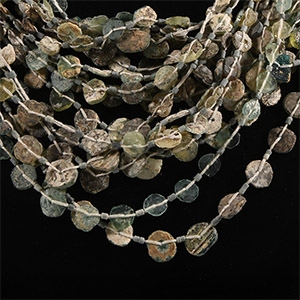
Turquoise Glass Bead Necklace Collection
20th century A.D. or earlierSold for (Inc. bp): £39
Composed of multiple strands of coin-shaped glass bead necklaces, interspersed with spacer beads; some examples with iridescent surfaces; cut from ancient Roman glass. 141 grams total, 64-72 cm long
UK gallery, early 2000s. -
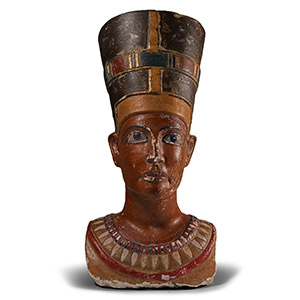
Painted Stone Bust of Queen Nefertiti of Egypt
20th century A.D.Sold for (Inc. bp): £182
Carved in the round with semi-naturalistic features, wearing the iconic 'Nefertiti cap crown' adorned with a golden diadem band, ornamental beaded collar around her neck and shoulders; remains of gilding and polychrome painted pigment; limestone. 28.2 kg, 51 cm high
From a French collection, Paris. Ex Parisian gallery, France; latterly with a London, UK, gallery.
