
Loading, please wait...
LOT 1133
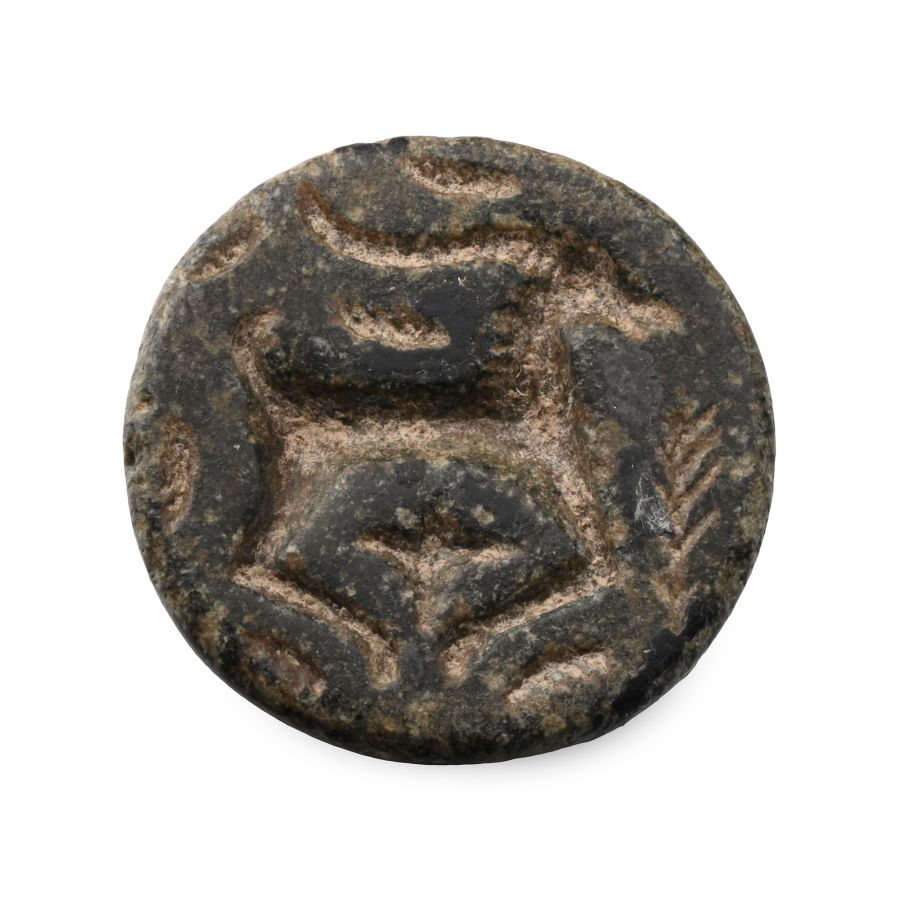
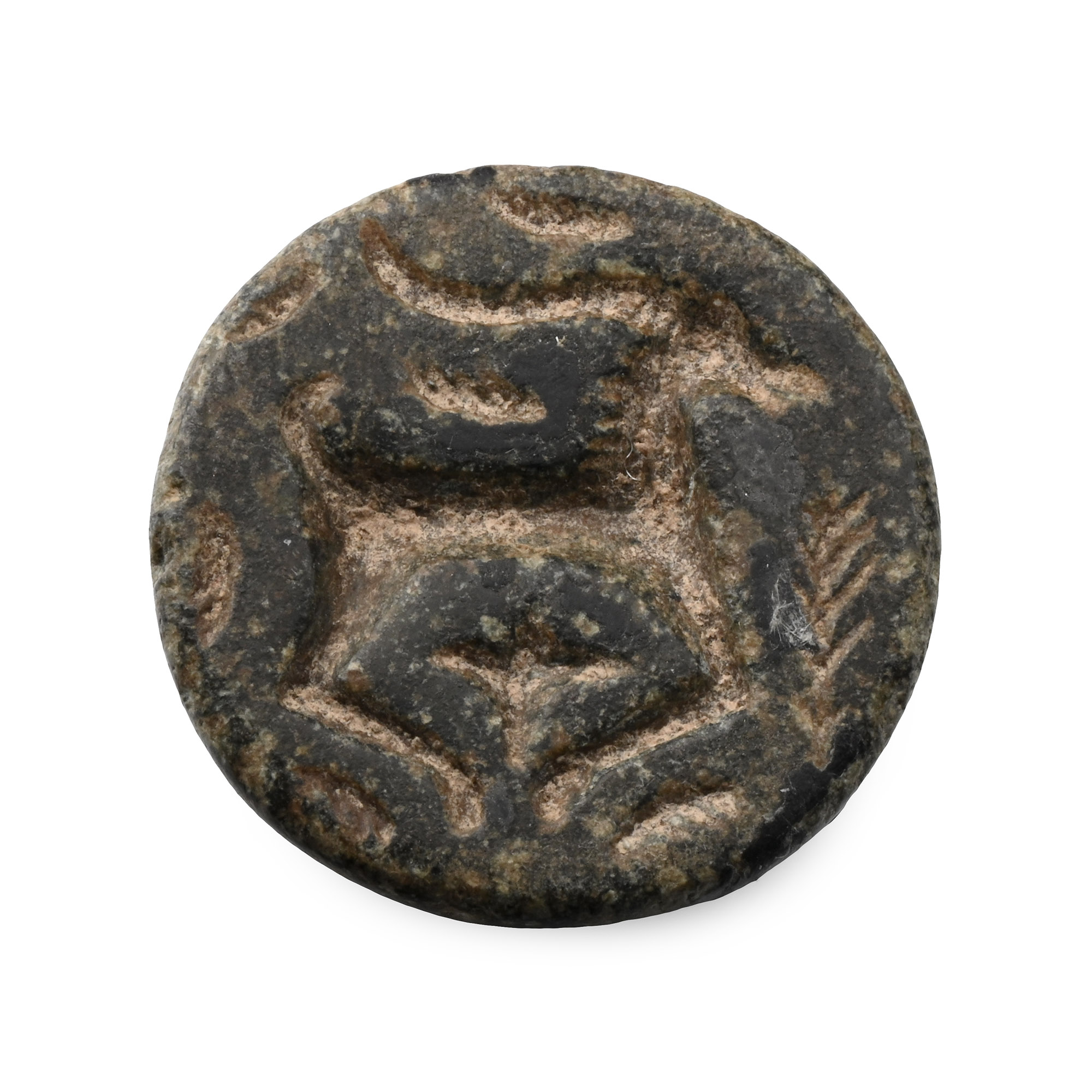
Bactrian Stamp Seal Collection with Standing Ibex
3RD-2ND MILLENNIUM B.C.
1 in. (9.27 grams, 24 mm).
Comprising a domed body, underside with engraved horned animal among foliage; pierced longitudinally; accompanied with slip reading 'Bertolami Fine Arts: Oxus, sigillo in giadeite con stambecco, BFA, E74, Lot 373'.
Provenancewith Bertolami Fine Arts, Auction E74, no.373.
Private collection, Europe.
TimeLine Auctions follows a vetting process to ensure the authenticity and legality of all items, reinforcing our commitment to integrity and responsible trading. Each antiquity, antique, and coin lot undergoes thorough examination by a vetting committee of at least ten external specialists, professional trade association members, scientists, and archaeologists: Our Vetting Process
AUCTIONS:
TimeLine is a leading auction house specialising in antiquities, ancient art, collectables, natural history, coins, medals, and books. Our auctions offer museums, collectors, historians, and enthusiasts the opportunity to acquire unique and historically significant pieces.
-
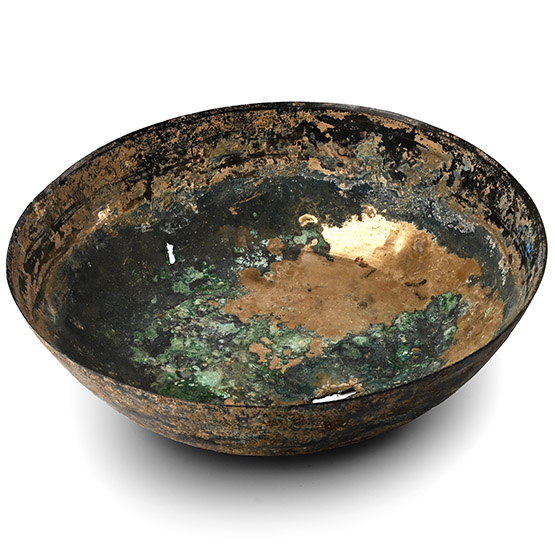
Large Western Asiatic Bronze Bowl
9th-10th century A.D.Sold for (Inc. bp): £46
With broad base and deep sidewall, two parallel circumferential incised lines below the rim; hole to base. 355 grams, 21.1 cm
From the collection of North West London, UK, gentleman, 1990-2000s. -
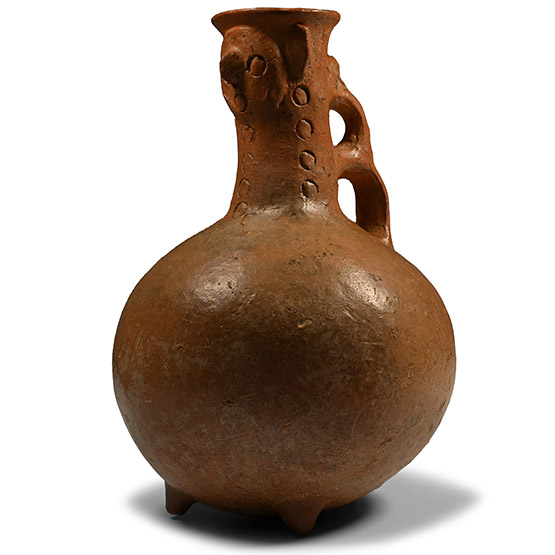
Amlash Terracotta Single-Handled Jug with Head Attachment
10th-8th century B.C.Estimate: £700 - 900 (‡+bp*)
Opening Bid: £360
Comprising a rounded body resting on three stub legs; funicular mouth and short neck; beneath the rim a mask with pinched nose and two pointed ears, impressed circular eyes and mouth; three vertical decorative strips impressed with the same tool as formed the eyes and mouth; tiered strap handle with two finger-grips to the outer face and impressed detailing running from the neck to the shoulder; rim and one foot partly restored. 723 grams, 20.6 cm
Ex Zackary, Los Angeles, 1960s. Thereafter London art market, 1992. Accompanied by a copy of an Art Loss Register certificate no.S00079639. -
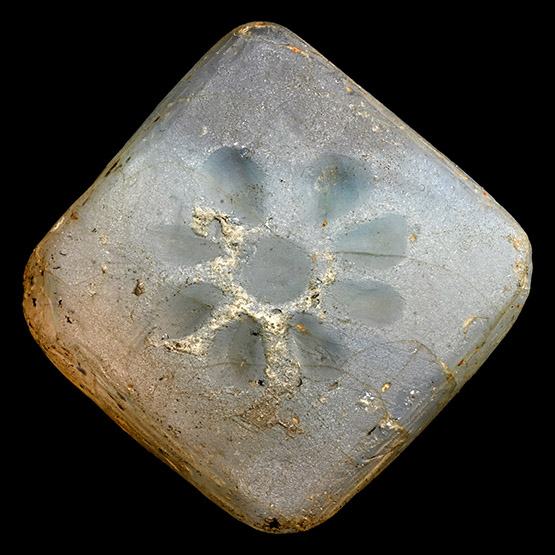
Western Asiatic Chalcedony Gaming Piece
3rd-5th century A.D.Estimate: £400 - 600 (+bp*)
Opening Bid: £200
Square in plan and plano-convex in section with tessellated triangles on the dome, horizontal grooves at the sides, incuse octofoil to the underside. 39.7 grams, 31 mm
Ex Mayfair, London, UK, collection, 1980s.
