
Loading, please wait...


LOT 0224
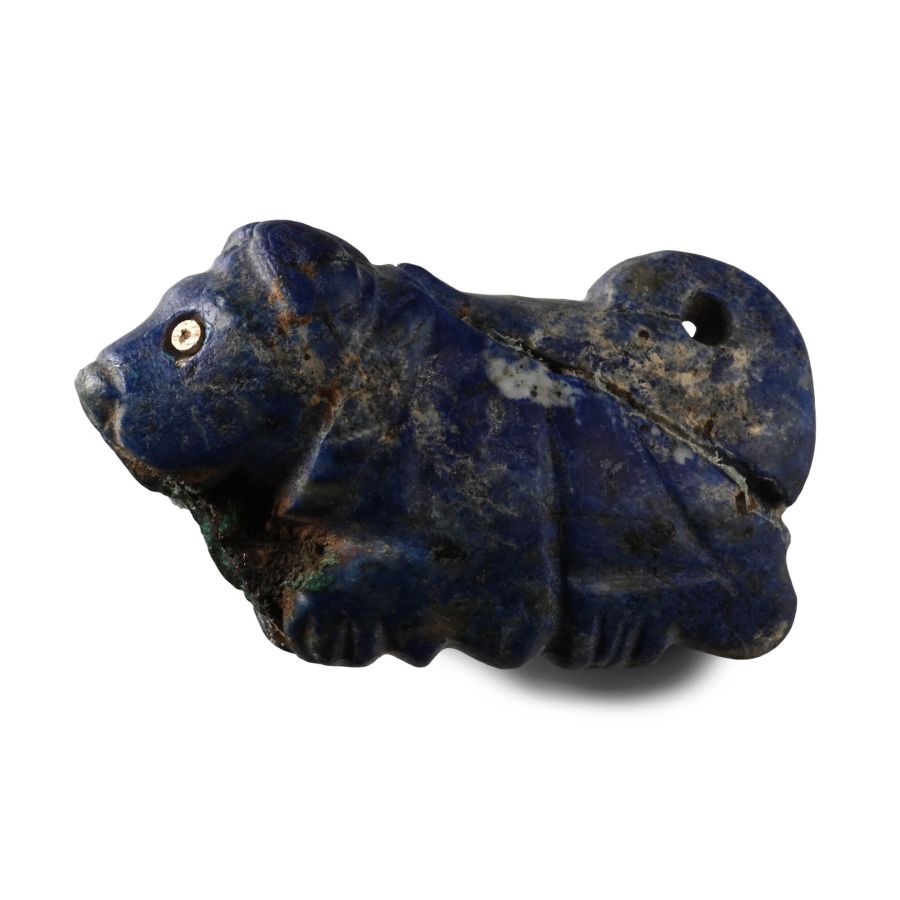
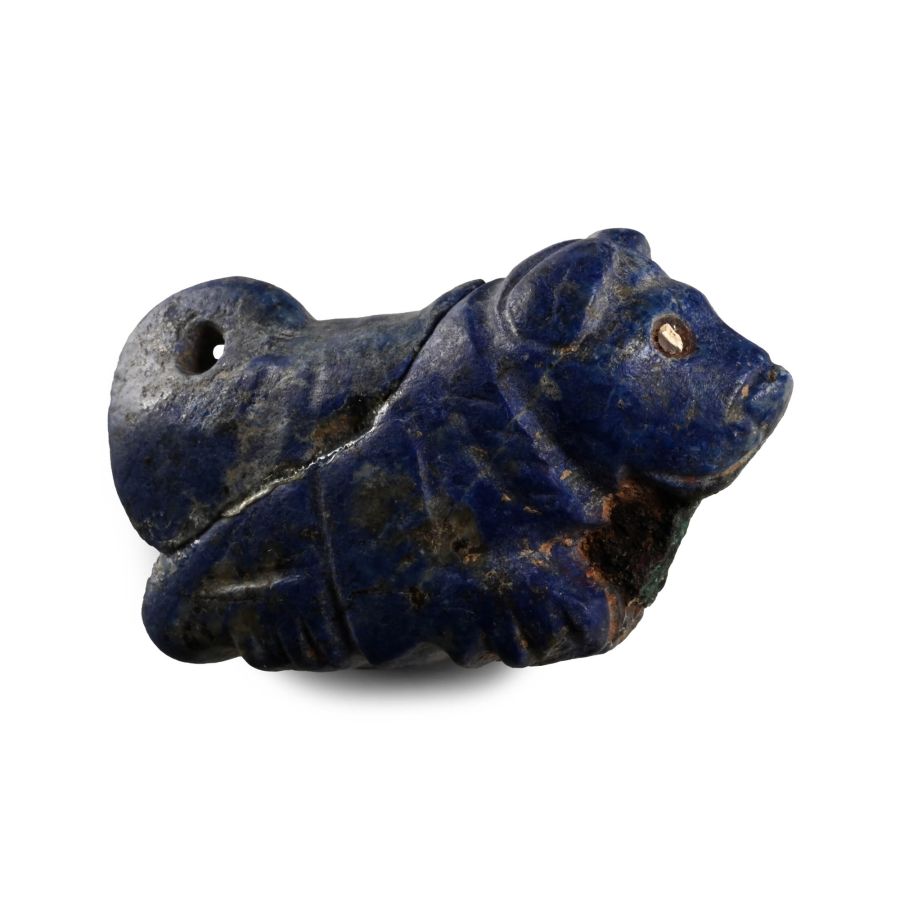
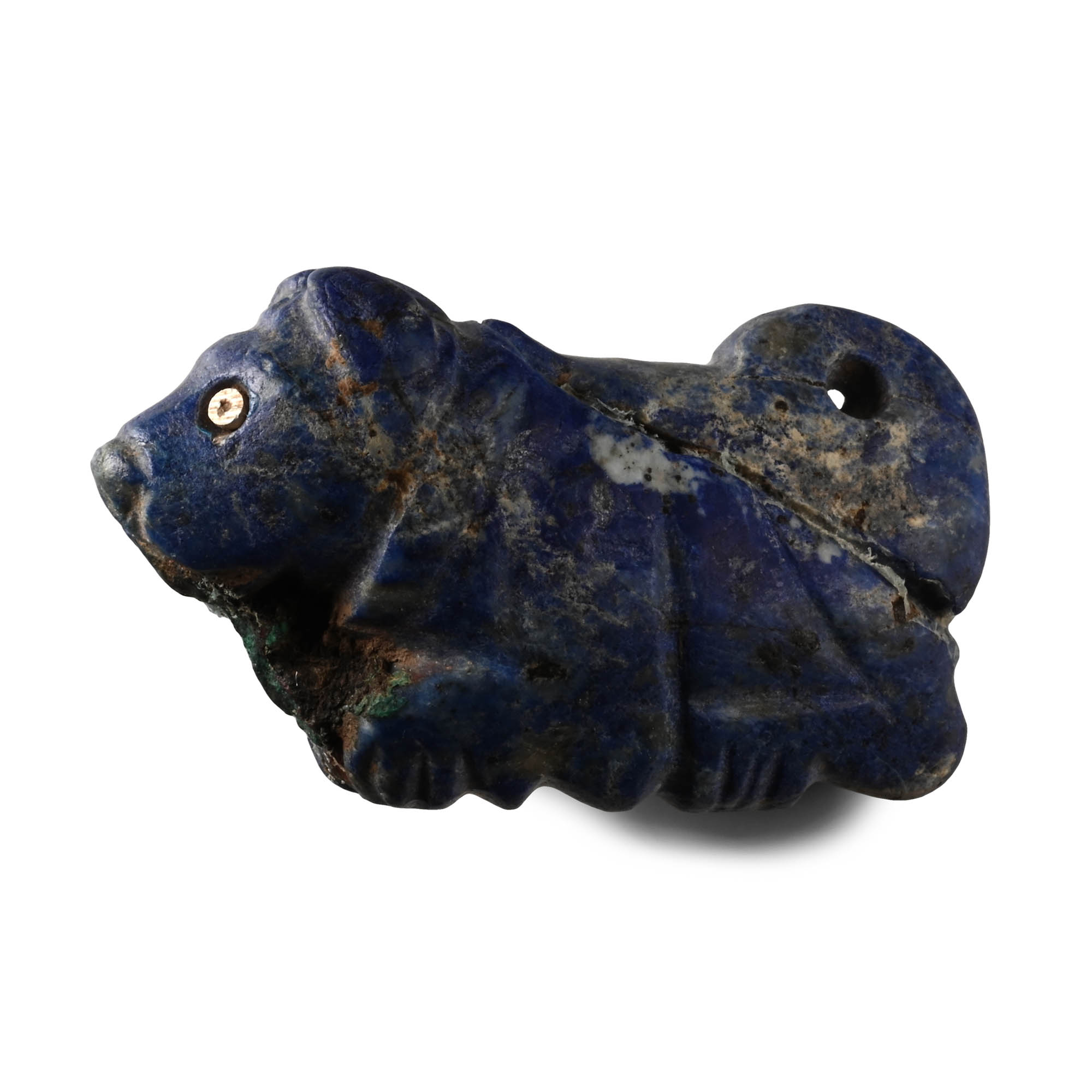
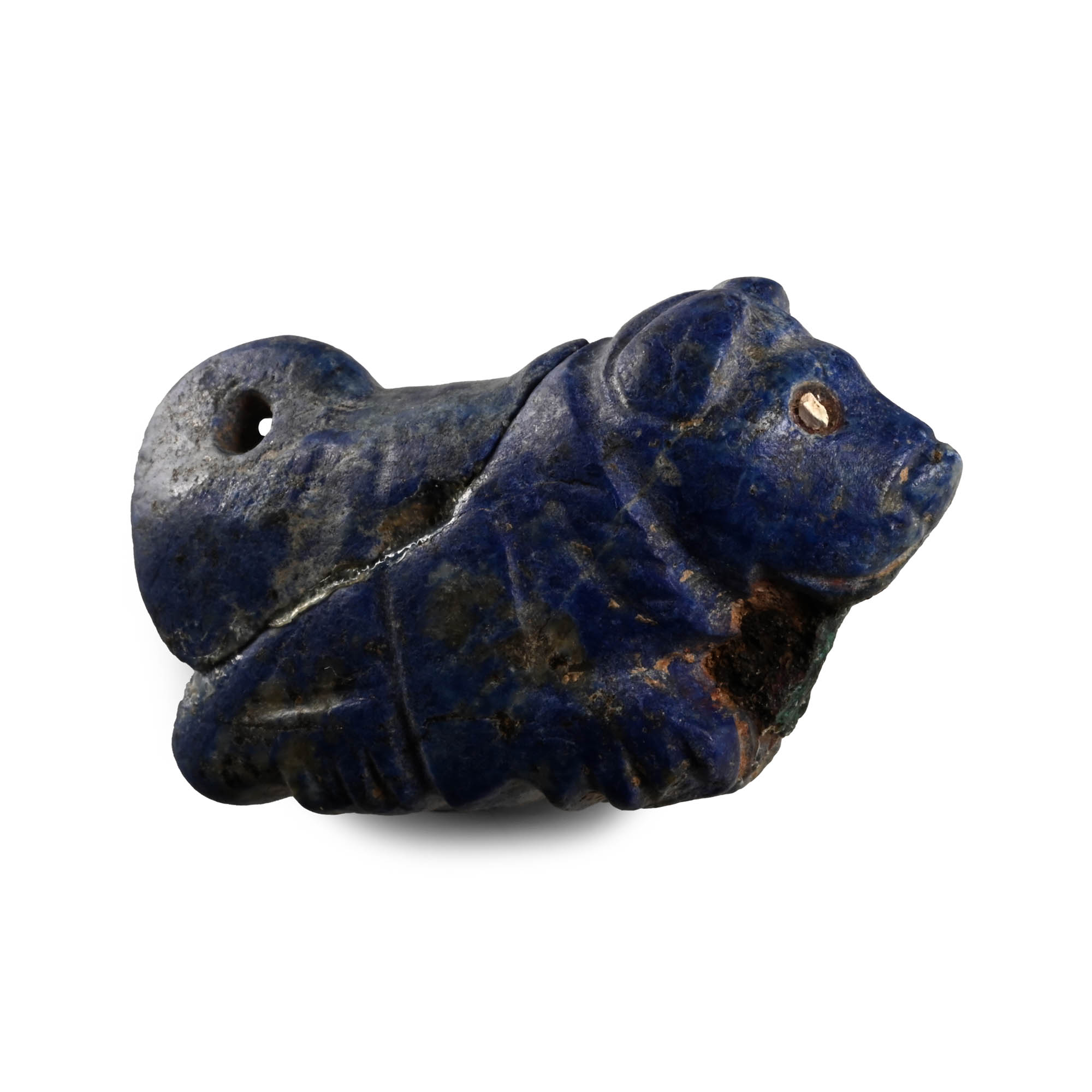
Bactrian Lapis Lazuli Recumbent Bull with Inlaid Eyes
3RD MILLENNIUM B.C.
1 3/4 in. (27.1 grams, 45 mm).
Carved in the round as a bull with curved tail forming the suspension lug, recessed sockets for eyes with inset turquoise beads; repaired.
Provenancewith Gallery Rosen Ancient Art, Tel Aviv, 1968.
with a London, UK gallery, 1971-early 2000s.
Accompanied by a copy of the original 1968 invoice.
See for ancient bull cults, see Rice, M., Power of the Bull, London, 1997, and discussion there.
CONDITIONTimeLine Auctions follows a vetting process to ensure the authenticity and legality of all items, reinforcing our commitment to integrity and responsible trading. Each antiquity, antique, and coin lot undergoes thorough examination by a vetting committee of at least ten external specialists, professional trade association members, scientists, and archaeologists: Our Vetting Process
AUCTIONS:
TimeLine is a leading auction house specialising in antiquities, ancient art, collectables, natural history, coins, medals, and books. Our auctions offer museums, collectors, historians, and enthusiasts the opportunity to acquire unique and historically significant pieces.
LOT 0224
Bactrian Lapis Lazuli Recumbent Bull with Inlaid Eyes
Estimate £1,200 - 1,700€1,390 - 1,970 (for guidance only)$1,620 - 2,300 (for guidance only)
-
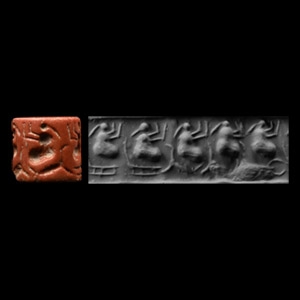
Mesopotamian Red Stone Cylinder Seal
3rd millennium B.C.Sold for (Inc. bp): £702
Drum-shaped with frieze of crouching worshippers, each with arms raised and hair worn in a braid behind the head; supplied with a museum-quality impression. 30 grams, 24 mm
Ex S. collection, London, UK, 1980s-2000s. -
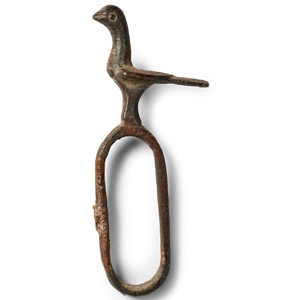
Seljuk Bronze Oil Lamp Handle
11th-12th century A.D.Sold for (Inc. bp): £20
Formed as a loop with a stylised bird perched above. 53 grams, 10 cm
Acquired in the mid 1980s-1990s. Private collection, Switzerland, thence by descent. Private collection, since the late 1990s. -
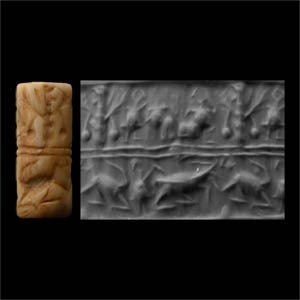
Sumerian Bone Cylinder Seal
2nd millennium B.C.Estimate: £400 - 600 (+bp*)
Opening Bid: £200
With frieze in two registers depicting running animals, facing figure with arms raised and other items. 4.42 grams, 24 mm
Ex 'S' collection, London, UK. Examined by Professor Wilfrid George Lambert FBA (1926-2011), historian, archaeologist, and specialist in Assyriology and Near Eastern archaeology, in the late 1980s and early 1990s.
