
Loading, please wait...
LOT 1298
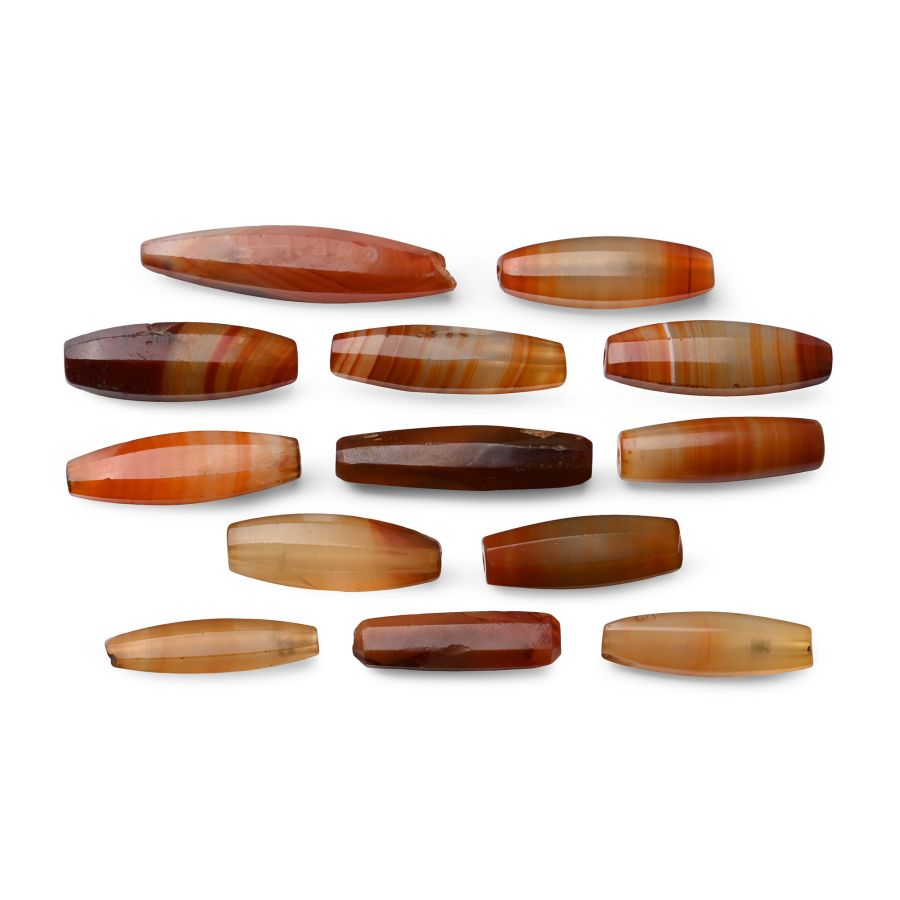
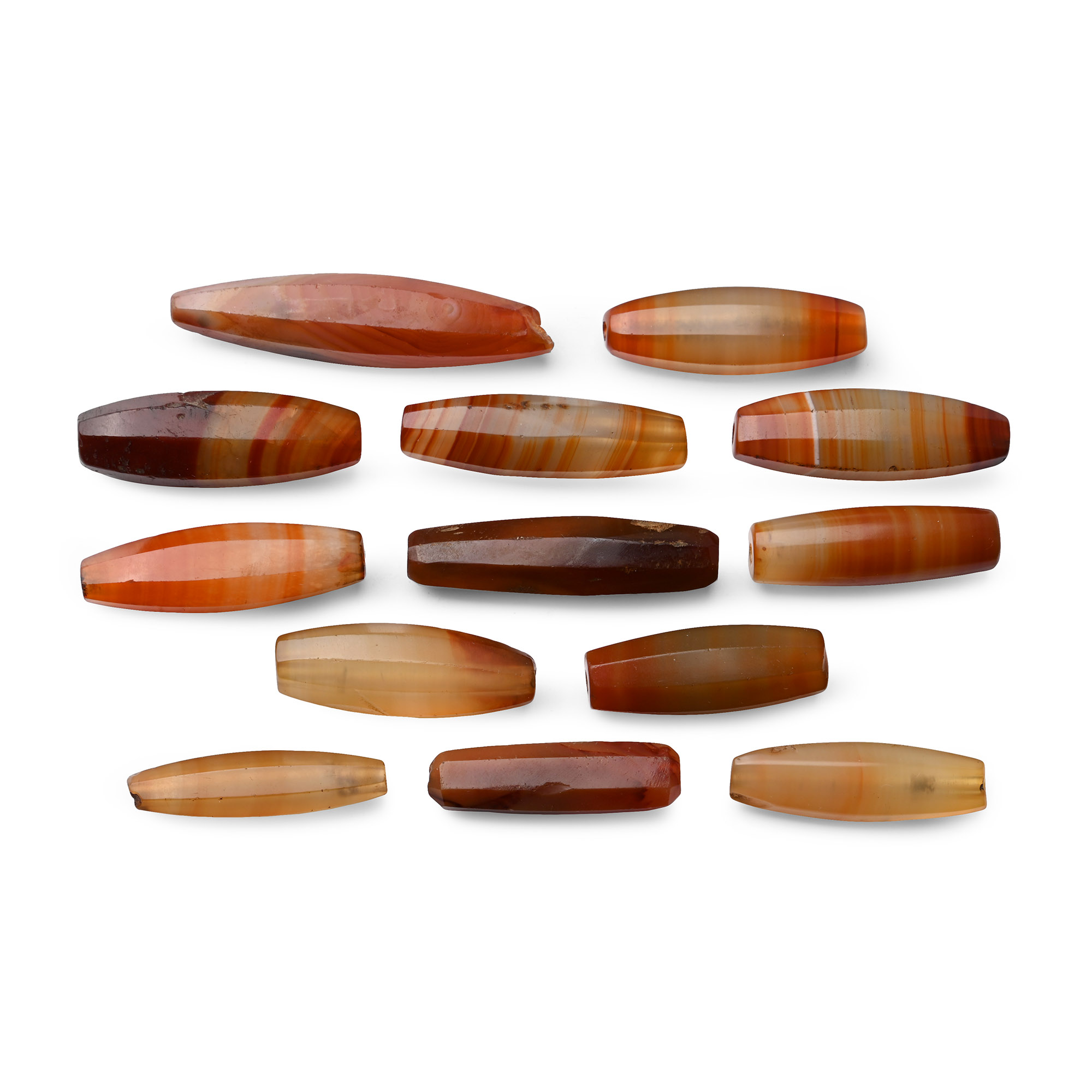
Bactrian Facetted Carnelian Bead Collection
CIRCA 2ND MILLENNIUM B.C. AND LATER
1 1/4 - 2 in. (81 grams total, 31-51 mm).
Comprising facetted elongated agate beads. [13]
ProvenanceAcquired on the UK art market.
Private collection, England.
TimeLine Auctions follows a vetting process to ensure the authenticity and legality of all items, reinforcing our commitment to integrity and responsible trading. Each antiquity, antique, and coin lot undergoes thorough examination by a vetting committee of at least ten external specialists, professional trade association members, scientists, and archaeologists: Our Vetting Process
AUCTIONS:
TimeLine is a leading auction house specialising in antiquities, ancient art, collectables, natural history, coins, medals, and books. Our auctions offer museums, collectors, historians, and enthusiasts the opportunity to acquire unique and historically significant pieces.
LOT 1298
Bactrian Facetted Carnelian Bead Collection
Estimate £800 - 1,000€930 - 1,160 (for guidance only)$1,080 - 1,350 (for guidance only)
-
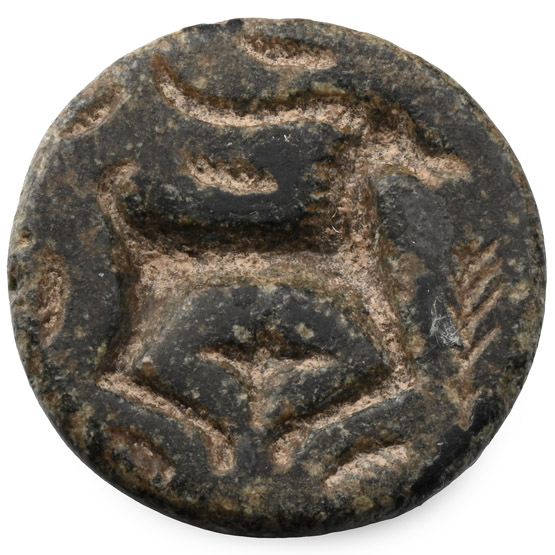
Bactrian Stamp Seal Collection with Standing Ibex
3rd-2nd millennium B.C.Sold for (Inc. bp): £65
Comprising a domed body, underside with engraved horned animal among foliage; pierced longitudinally; accompanied with slip reading 'Bertolami Fine Arts: Oxus, sigillo in giadeite con stambecco, BFA, E74, Lot 373'. 9.27 grams, 24 mm
with Bertolami Fine Arts, Auction E74, no.373. Private collection, Europe. -
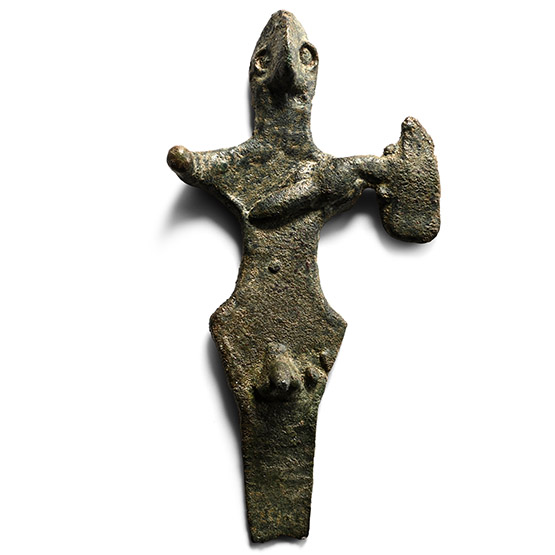
Syro-Hittite Bronze Male Idol
2nd millennium B.C.Sold for (Inc. bp): £182
Flat-section casting with pinched nose and impressed-point etes, right arm extended, left hand supporting an axe, prominent phallus. 23 grams, 72 mm
Previously the property of an Islington, London, UK, dealer. From a London, UK, private collector since circa 1990. -
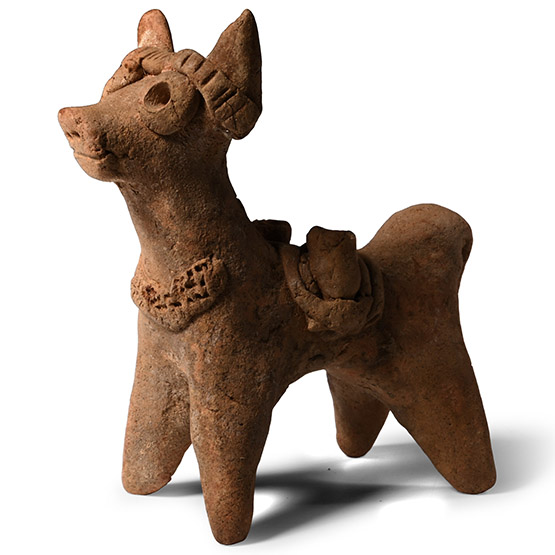
Amorite Terracotta Saddled Animal
1800-1600 B.C.Estimate: £600 - 800 (‡+bp*)
Opening Bid: £333
Modelled in the round with halter to the chest, strap to the brow and saddle with two lateral containers and straps. 88 grams, 85 mm
Acquired in the mid 1980s-1990s. Private collection, Switzerland, thence by descent. Private collection, since the late 1990s.
