
Loading, please wait...
LOT 1407
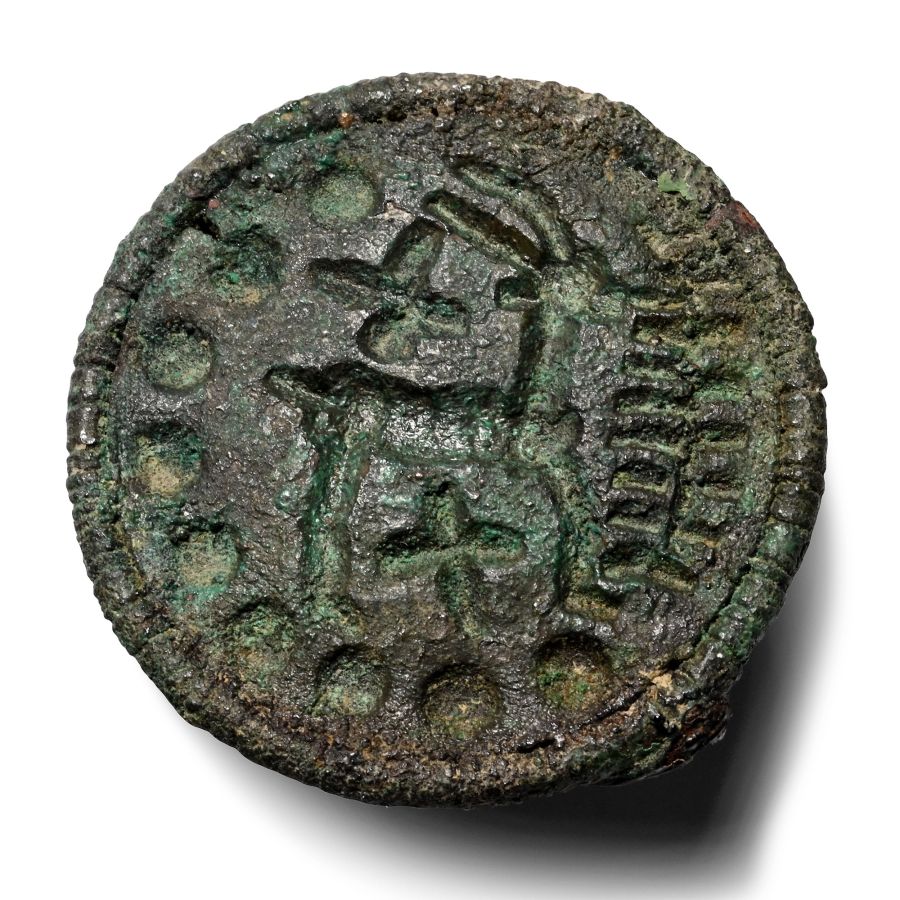
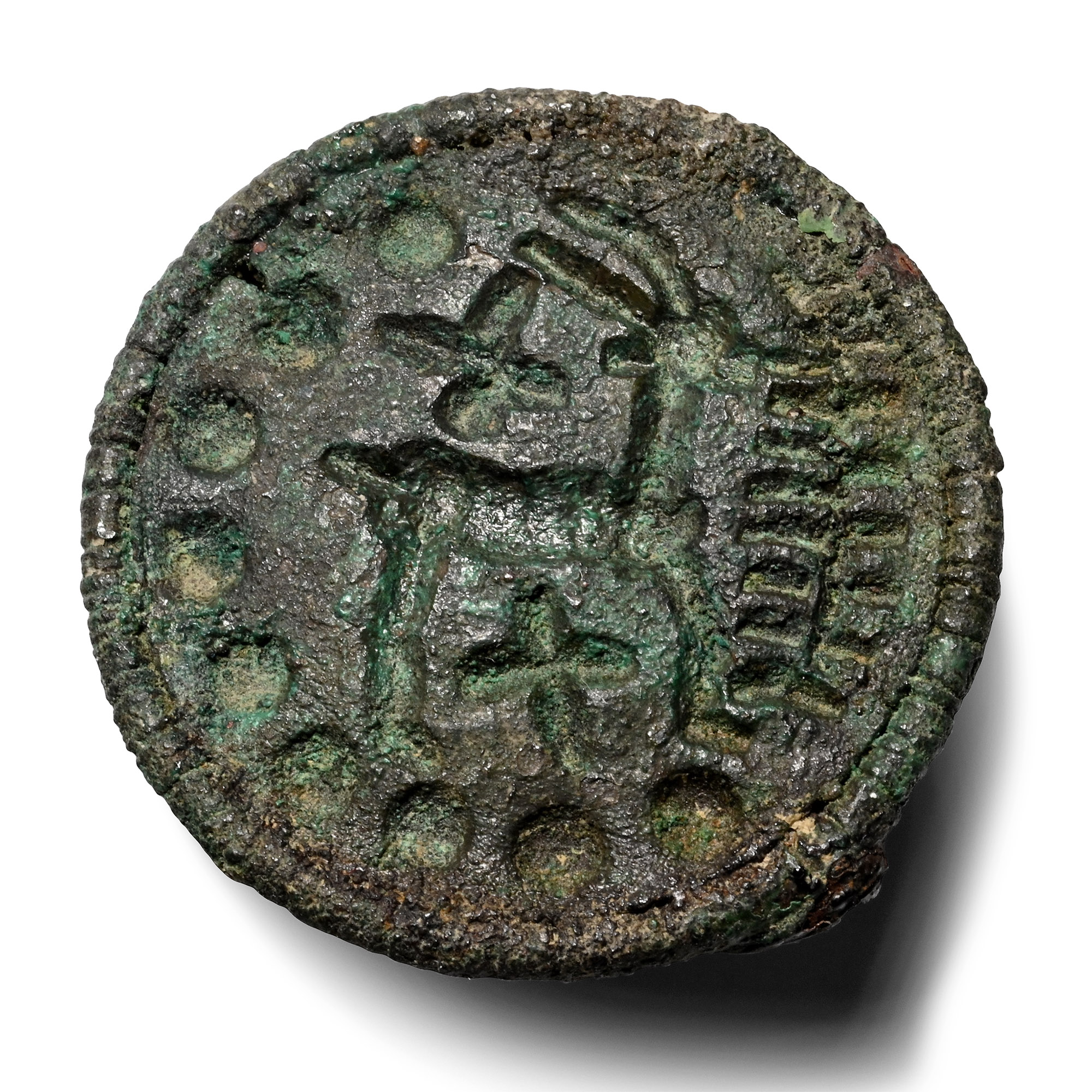
Bactrian Bronze Zoomorphic Stamp Seal
2ND-1ST MILLENNIUM B.C.
1 1/8 in. (5.02 grams, 28 mm).
Discoid seal with a small loop on the reverse, underside with a horned quadruped standing right, a tall slender tree before the animal and an X-motif above and below. [No Reserve]
ProvenanceEx the private collection of the late Mr S.M., London, UK, acquired 1970-2000s.
CONDITIONTimeLine Auctions follows a vetting process to ensure the authenticity and legality of all items, reinforcing our commitment to integrity and responsible trading. Each antiquity, antique, and coin lot undergoes thorough examination by a vetting committee of at least ten external specialists, professional trade association members, scientists, and archaeologists: Our Vetting Process
AUCTIONS:
TimeLine is a leading auction house specialising in antiquities, ancient art, collectables, natural history, coins, medals, and books. Our auctions offer museums, collectors, historians, and enthusiasts the opportunity to acquire unique and historically significant pieces.
-
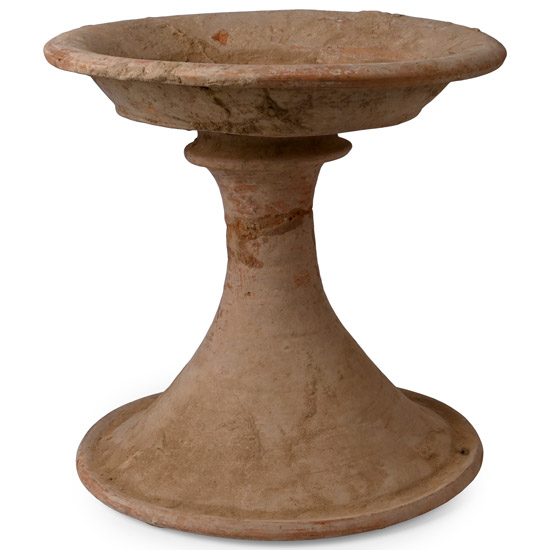
Large Bactrian Terracotta Chalice
1st millennium B.C.Estimate: £100 - 140 (+bp*)
Current Winning Bid: £50
Comprising a broad shallow bowl with carination, supported by a sturdy shank on a conical base. 6.15 kg. 32 cm wide
From a London, UK, collection, 1990s. -
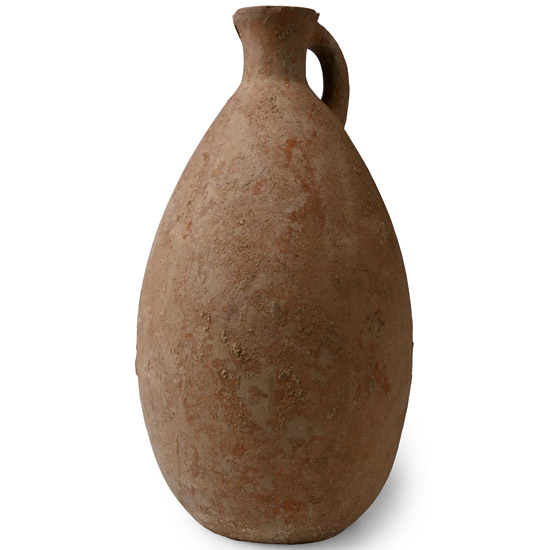
Large Western Asiatic Tall Terracotta Jug
1st millennium B.C.Sold for (Inc. bp): £260
Piriform body with a narrow trumpet-shaped neck and a small strap handle to the rear. 1.61 kg, 32.7 cm
Ex Abelita collection, 1990s. -
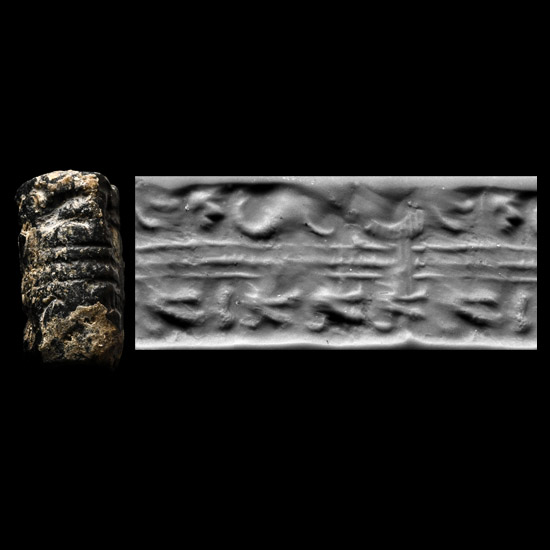
Syrian Haematite Cylinder Seal with Birds
Circa 1500-1200 B.C.Sold for (Inc. bp): £46
A small seal with a central linear motif with birds in flight above nd ram horns below; supplied with a museum-quality impression. 0.96 grams, 13 mm
From the private collection of a European gentleman (1942-2024), formed since the 1970s. Accompanied by a previous typed catalogue slip with collection no.58.
