
Loading, please wait...
LOT 1214
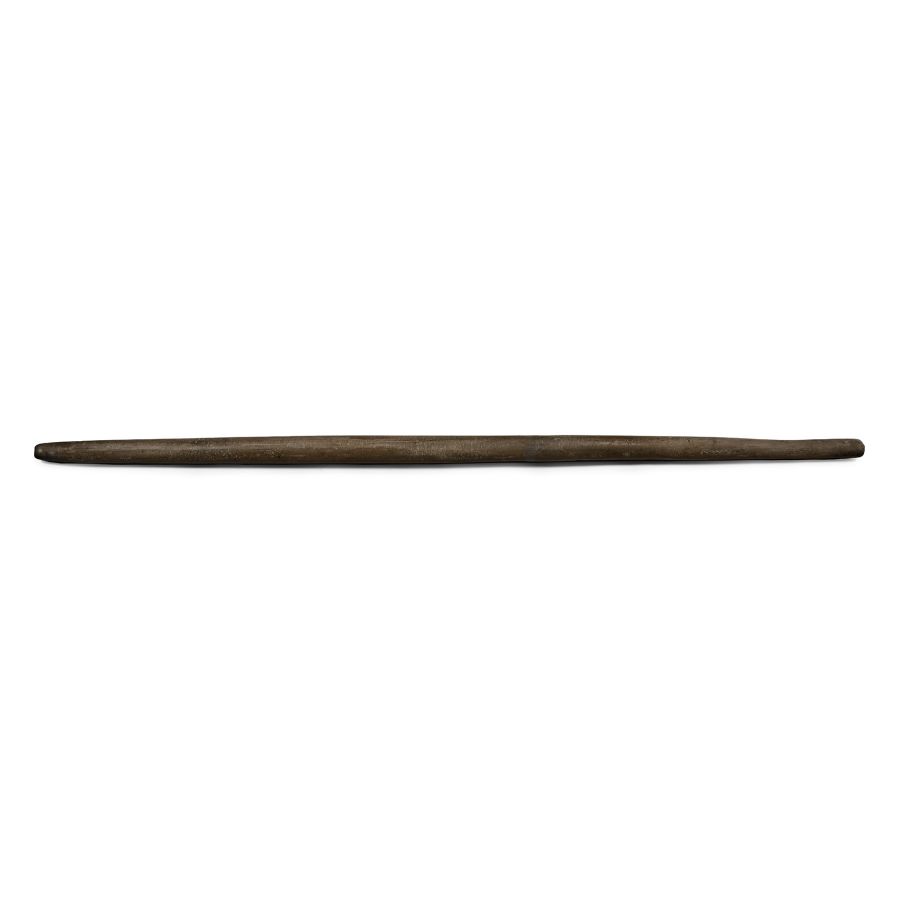
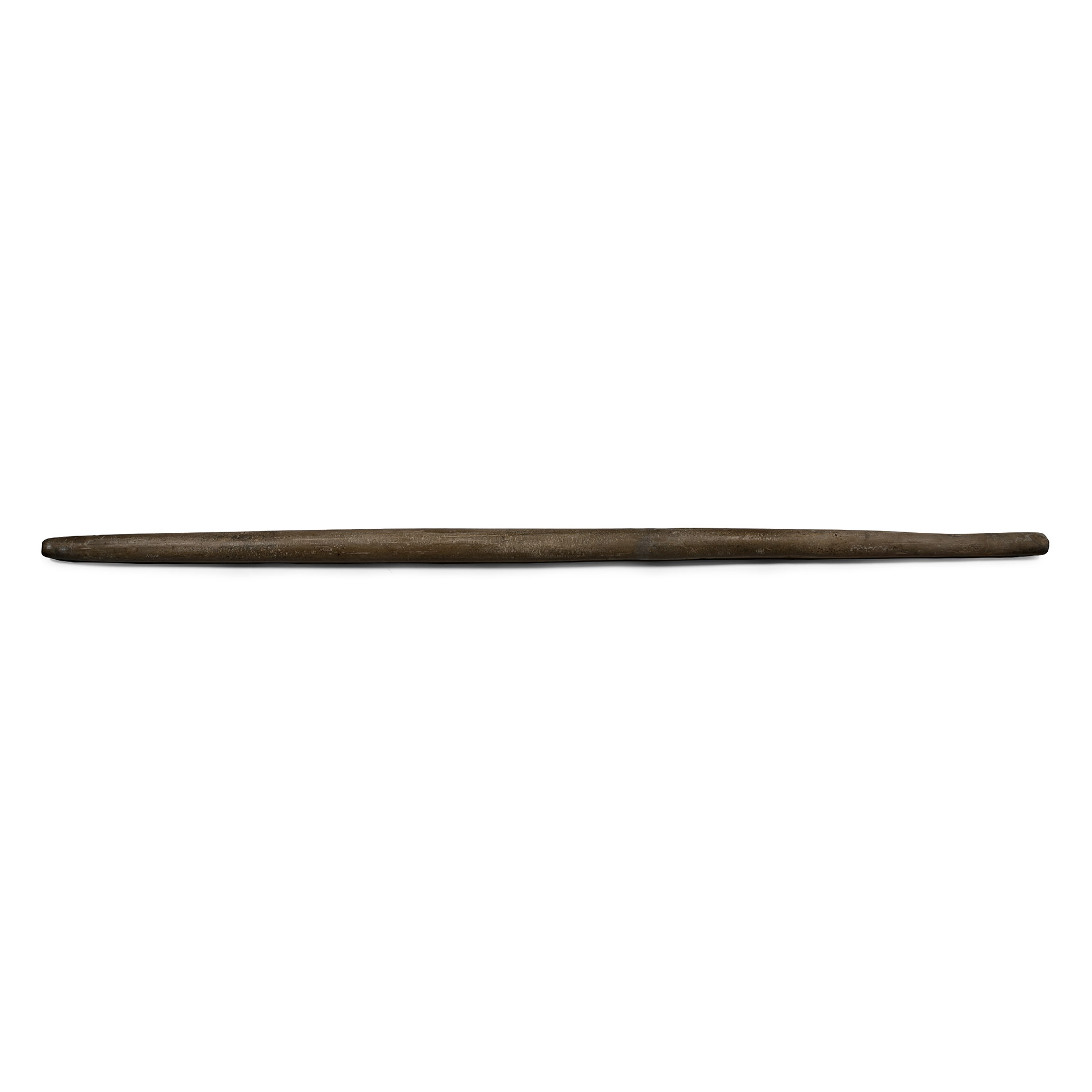
Bactrian Black Stone Ritual Object
CIRCA 3RD-EARLY 2ND MILLENNIUM B.C.
48 in. (3.4 kg, 1.22 m).
A slender carved rod or bar, round in section and tapering to each end; repaired.
Provenancewith Gallery Rosen Ancient Art, Tel Aviv, 1969.
Ex London, UK, gallery, 1971-early 2000s.
London, UK, collection.
This lot has been cleared against the Art Loss Register database, and is accompanied by an illustrated lot declaration signed by the Head of the Antiquities Department, Dr Raffaele D'Amato.
TimeLine Auctions follows a vetting process to ensure the authenticity and legality of all items, reinforcing our commitment to integrity and responsible trading. Each antiquity, antique, and coin lot undergoes thorough examination by a vetting committee of at least ten external specialists, professional trade association members, scientists, and archaeologists: Our Vetting Process
AUCTIONS:
TimeLine is a leading auction house specialising in antiquities, ancient art, collectables, natural history, coins, medals, and books. Our auctions offer museums, collectors, historians, and enthusiasts the opportunity to acquire unique and historically significant pieces.
LOT 1214
Bactrian Black Stone Ritual Object
Estimate £1,500 - 2,000€1,740 - 2,320 (for guidance only)$2,030 - 2,700 (for guidance only)
-
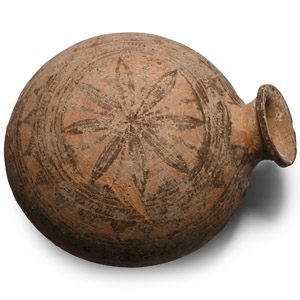
Large Western Asiatic Terracotta Pilgrim's Flask
Iron Age, late 1st millennium B.C.Sold for (Inc. bp): £293
Biconvex in section with trumpet-shaped mouth, concentric geometric bands framing the central rosette. 1.62 kg, 25 cm
Ex London, UK, collection, 1990s. This lot has been cleared against the Art Loss Register database, and is accompanied by an illustrated lot declaration signed by the Head of the Antiquities Department, Dr Raffaele D'Amato. -
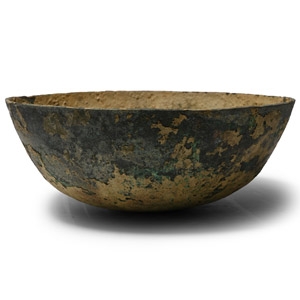
Luristan Bronze Bowl
13th-7th century B.C.Estimate: £80 - 100 (+bp*)
Opening Bid: £40
Of a rounded profile with rounded base. 240 grams, 14.2 cm
Acquired 1980-2015. Ex Abelita family collection. This lot has been cleared against the Art Loss Register database, and is accompanied by an illustrated lot declaration signed by the Head of the Antiquities Department, Dr Raffaele D'Amato. -
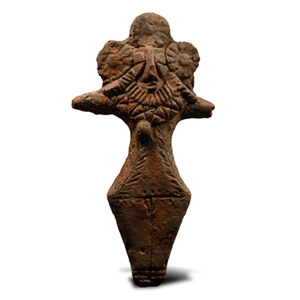
Hittite Terracotta Fertility Idol
12th-8th century B.C.Sold for (Inc. bp): £624
Standing figure with radiating discs framing the face, collar with pendant. 156 grams, 14.6 cm
Ex London, UK, gallery, 1971-early 2000s. London, UK, collection. This lot has been cleared against the Art Loss Register database, and is accompanied by an illustrated lot declaration signed by the Head of the Antiquities Department, Dr Raffaele D'Amato.
