
Loading, please wait...
LOT 1443
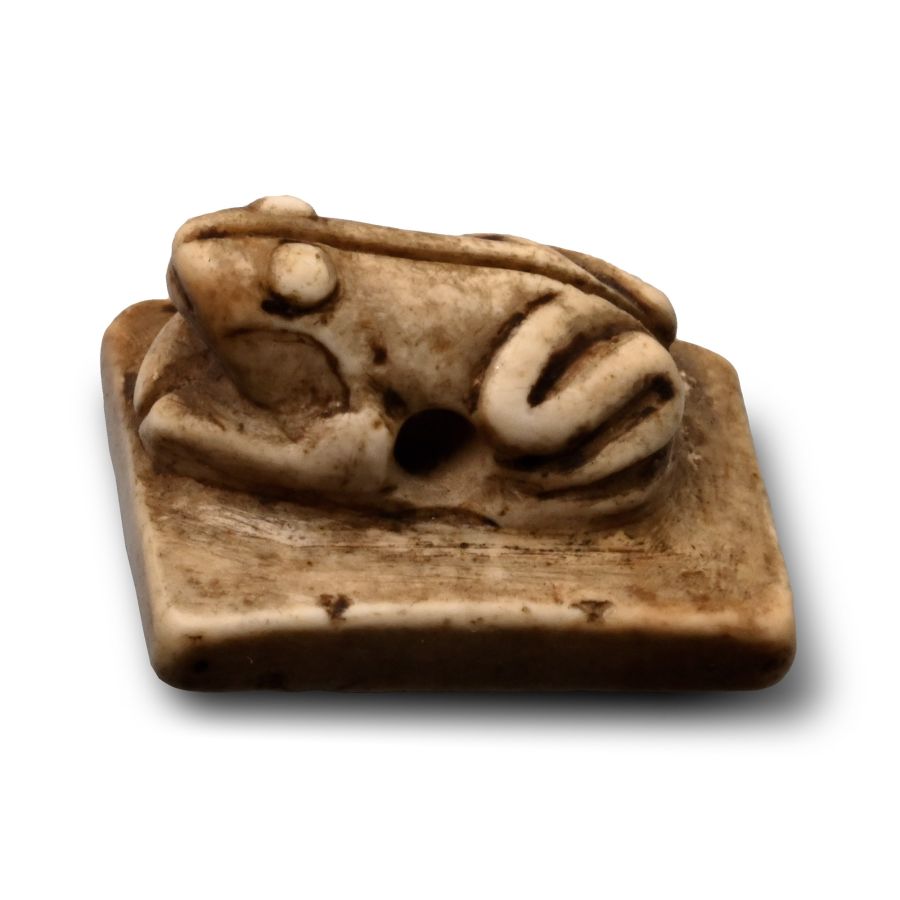
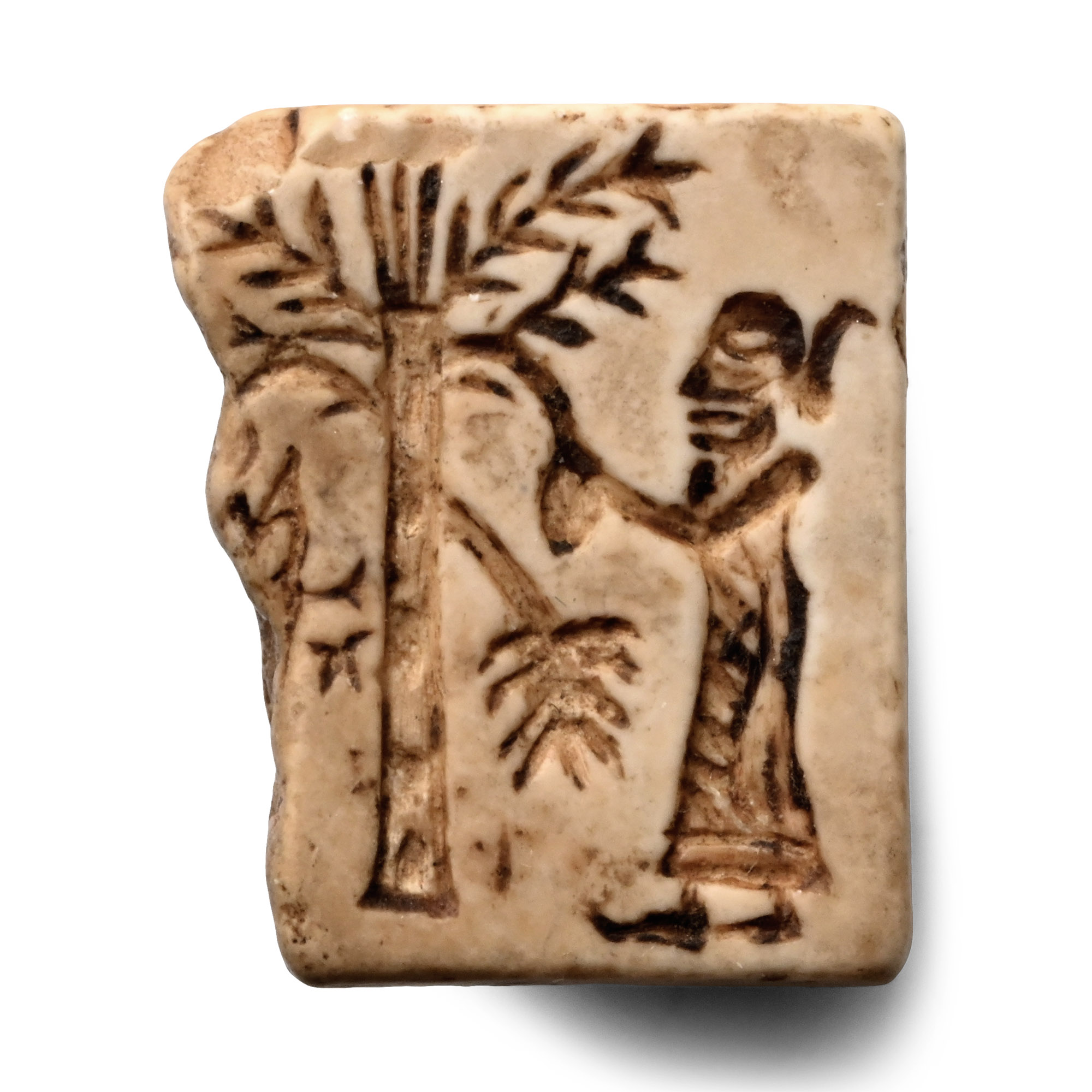
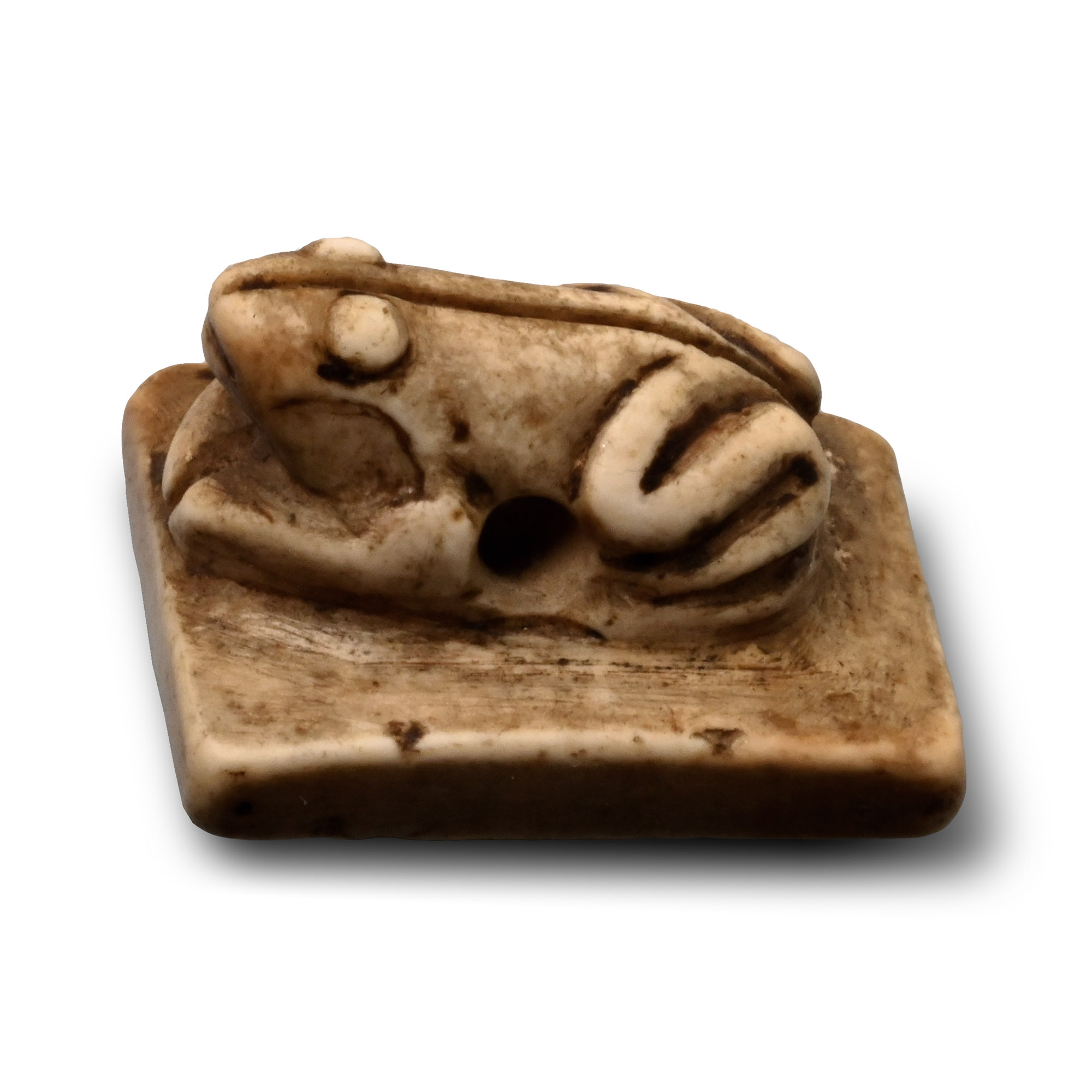
Babylonian Faience Frog Amulet
750-332 B.C.
5/8 in. (3.28 grams, 18 mm).
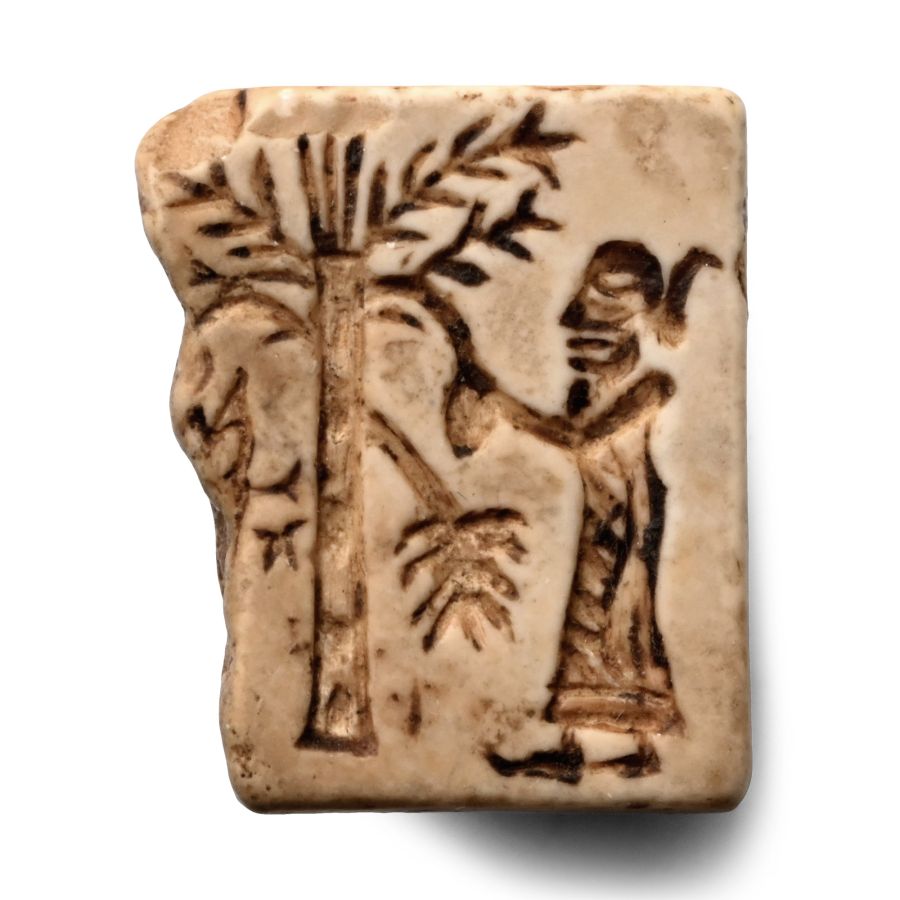
Modelled in the round on a rectangular plaque with incuse image to underside: figure in ankle-length robe plucking a fruit from a tree.
ProvenanceOld private French collection.
Anonymous Sale, Beaussant Lefevre, Paris, 2015.
Private European collection, acquired in 2015.
TimeLine Auctions follows a vetting process to ensure the authenticity and legality of all items, reinforcing our commitment to integrity and responsible trading. Each antiquity, antique, and coin lot undergoes thorough examination by a vetting committee of at least ten external specialists, professional trade association members, scientists, and archaeologists: Our Vetting Process
AUCTIONS:
TimeLine is a leading auction house specialising in antiquities, ancient art, collectables, natural history, coins, medals, and books. Our auctions offer museums, collectors, historians, and enthusiasts the opportunity to acquire unique and historically significant pieces.
LOT 1443
Babylonian Faience Frog Amulet
Estimate £450 - 650€520 - 750 (for guidance only)$610 - 880 (for guidance only)
-
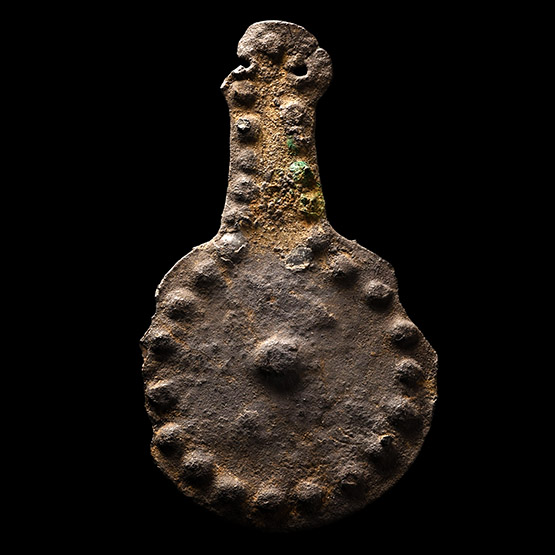
Early Bronze Age Silver Idol
Circa 2400-2100 B.C.Sold for (Inc. bp): £1,123
Violin-shaped with round body, long neck and stylised head, symbolising a female body, perforated with two holes at the top representing the eyes, embossed with dots around the perimeter. 5.34 grams, 62 mm
From a private family collection formed since the early 19th century, thence by descent. Property of a New Zealand legal professional. Accompanied by an academic report by Dr Raffaele D’Amato. This lot has been checked against the Interpol Database of stolen works of art and is accompanied by search certificate number no.12321-223719. -
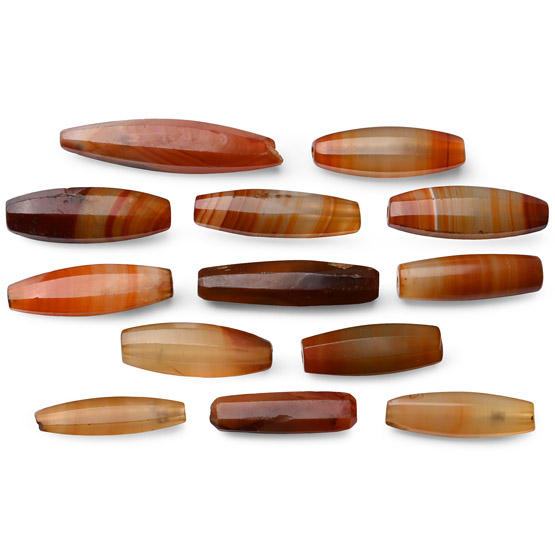
Bactrian Facetted Carnelian Bead Collection
Circa 2nd millennium B.C. and laterEstimate: £800 - 1,000 (+bp*)
Opening Bid: £400
Comprising facetted elongated agate beads. 81 grams total, 31-51 mm
Acquired on the UK art market. Private collection, England. -
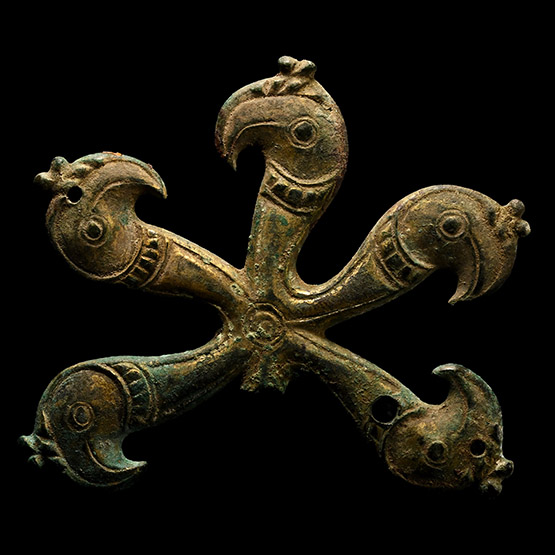
Ordos Gilt Bronze Zoomorphic Applique
Circa 4th century B.C.Sold for (Inc. bp): £494
Consisting of five (one absent) long-necked eagle heads facing in opposite directions, the beaked heads with raised eyes, necks decorated with a necklace imitating precious stones; three attachment holes. 44.5 grams, 77 mm
Acquired in the mid 1980s-1990s. Private collection, Switzerland, thence by descent.
Possibly an applique from a quiver.
